
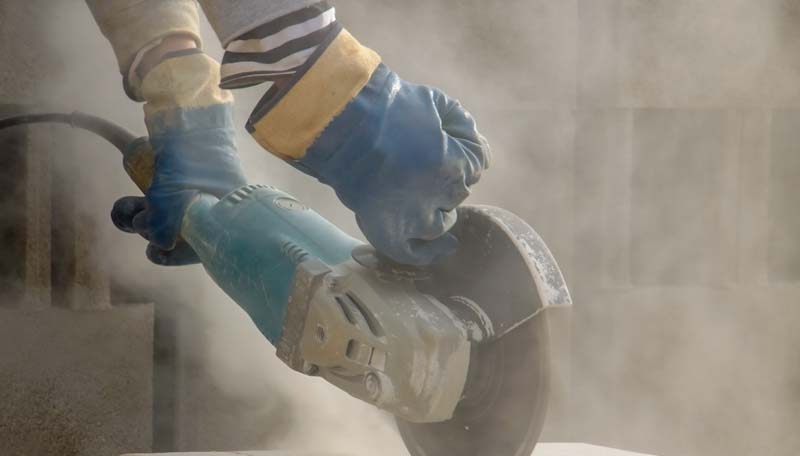
Australia has yet to offer a good reason for hazardous engineered stone products not being banned from import and use. On November 23 2022, Australia’s most influential construction union, the CFMEU, stated that it would ban these products from mid-2024 if the Federal Government does not. Trade unions no longer have the level of influence or numbers to achieve these sorts of bans. As with asbestos many years ago, such campaigns risk taking more credit for the potential occupational safety and health reforms than they deserve.
Category: industrial relations

Old working hours concepts persist as subtext in new debates
One of the most contentious occupational health and safety (OHS) elements of industrial relations negotiations is the issue of working hours. And one of the most effective ways to prevent physical and psychological harm is by talking about working hours. The evidence for harm from excessive and often unpaid hours is clear, but some assumptions crop up in the debate every so often.
Two recent books, one by David Graeber & David Wengrow and another by Daniel Susskind, offer reminders of these issues and are useful adjuncts to the Australian research on precarious work by Michael Quinlan, Phillip Bohle and others. ( A Guardian review of Graeber & Wengrow is available here with one from The Atlantic here, Susskind here and here)
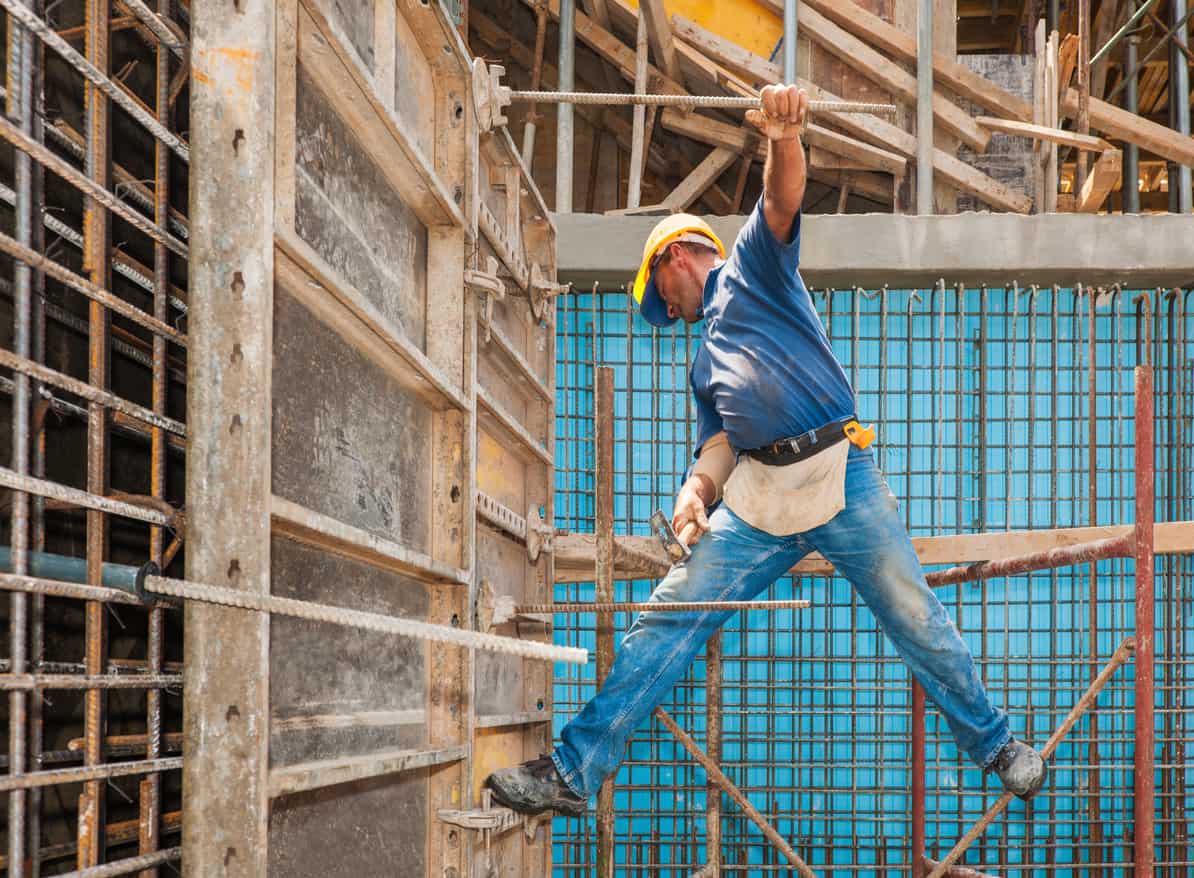
You don’t have to talk about OHS to talk about OHS
On November 16 2022, Tony Burke, Minister for Employment and Workplace Relations, spoke at the National Press Club in Canberra. Although his portfolio has occupational health and safety (OHS), workplace health and safety was mentioned only once in passing. In this instance, that’s okay because he is trying to pass a major piece of industrial relations (IR) law. But some of his speech raised issues related to work or how businesses are managed, which do have important OHS contexts.
Do we have to work?
You often learn more about your area of speciality from reading outside of that speciality. Matthew Taylor’s book “Do We Have To Work?” is one of those books though it overlaps with occupational health and safety (OHS), if one thinks of the role and place of OHS in modern business.
The Big Idea series of books by Thanes & Hudson uses a jaunty format that is jarring in some ways but attractive in others. Its pages use fonts of different sizes, lots of colour images and highlighted cross-references that look like a Dummies Guide on acid, but the content is so good the reader works out where to look and what to choose fairly quickly.
Wage theft needs more OHS analysis
Journalist Ben Schneiders has written an excellent book about wage theft in Australian businesses – where it came from, why it persists, and the inequality it generates through institutional and wilful exploitation. What is missing is a chapter, at least, on the occupational health and safety (OHS) contexts of this exploitation. OHS is touched on but is also missed when discussing some of the pay and working conditions.

Unsuccessful dismissal case reveals sex work hazards
Last week was a big one for the sex industry in Victoria. A brothel manager was found guilty of allowing a 16-year-old girl to work as a dominatrix in his mother’s brothel. And a sex worker was found, by the Fair Work Commission, to be a contractor (paywalled) when working in the Top of the Town brothel.
These legal cases gained some attention in the mainstream press as they often are because sex work is seen as salacious and click-friendly. However, the Top of the Town court report offers insight into some of the occupational health and safety (OHS) hazards of brothel work.
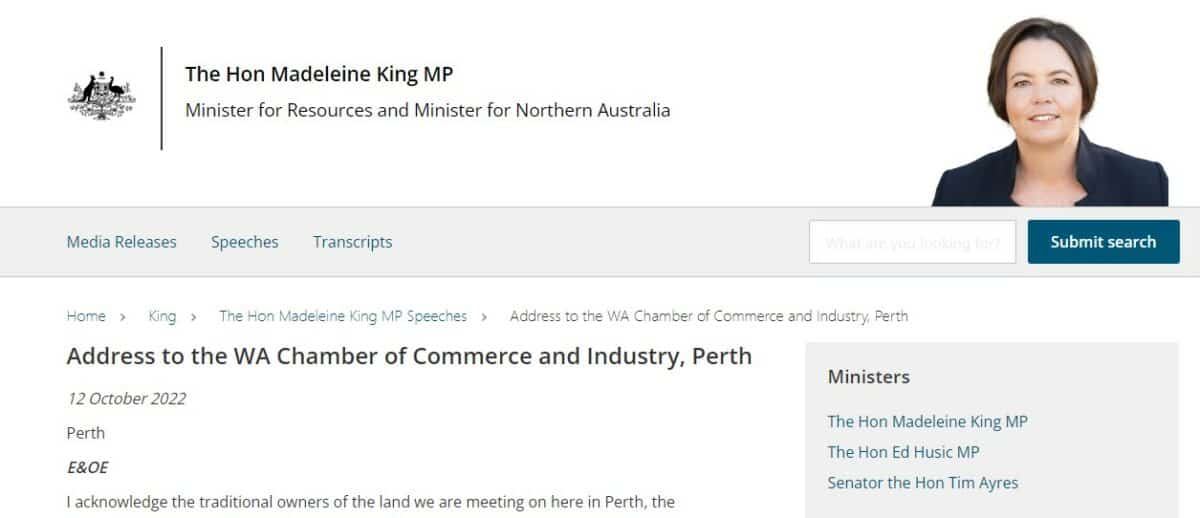
Minister could have spoken stronger on OHS at a business event
Recently Australia’s Minister for Resources, Madeleine King, spoke at an event hosted by the Western Australian Chamber of Commerce and Industry. The speech aimed to reassure the State’s mining sector to not feel threatened by the new Australian Labor Party government. However, her words about sexual harassment were a little odd.
According to the publicly released speech, King said this on the issue of the labour shortage in mining and resources: