The data for workplace mental health exists, if we demand it

Data about occupational health and safety (OHS) and work-related psychosocial injuries has often been described as being hard to find.  In some ways it is not necessarily hard to find but difficult to access.  An untapped source of data is the records of illness and leave taken that is usually held by the Human Resources (HR) departments, often named “People and Culture”or some variant.  This type of data could be invaluable in determining a workplace psychological profile, if the HR departments would trust OHS professionals more, or release this data in a format that would allow OHS professionals to assess risks while maintaining employees’ privacy.

Beware, Generalisations Ahead

In Australia, employees are usually entitled to ten days’ sick leave, five of which require a medical certificate.  This means that one of the forty-eight expected working weeks may be taken off by workers with no reason provided to the employer other than a call or a text saying “I’m not coming into work today because I am not feeling well.”  Australian slang describes this as “chucking a sickie”.  
Subscribe to SafetyAtWorkBlog to continue reading.
Subscribe Help
Already a member? Log in here

Fixing the future by planning for the future

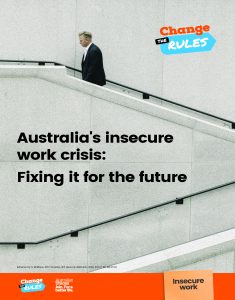
The Australian Council of Trade Unions (ACTU) often sets the occupational health and safety (OHS) agenda, as it did on workplace stress and bullying.  On 21 May 2018 the ACTU released a research report entitled “Australia’s insecure work crisis: Fixing it for the future“.  The opening paragraph provides a clear indication of the report’s tone:

“The incidence of non-standard work in Australia is alarming. The fact that our national government and some employer groups seek to deny this reality and refuse to support reforms to better protect workers in insecure non-standard employment is a disgrace.”

There is a lot of useful information in this report but there is also a lot missing, a lot that could affect workplace safety.

Subscribe to SafetyAtWorkBlog to continue reading.
Subscribe Help
Already a member? Log in here

It’s not “all about safety”

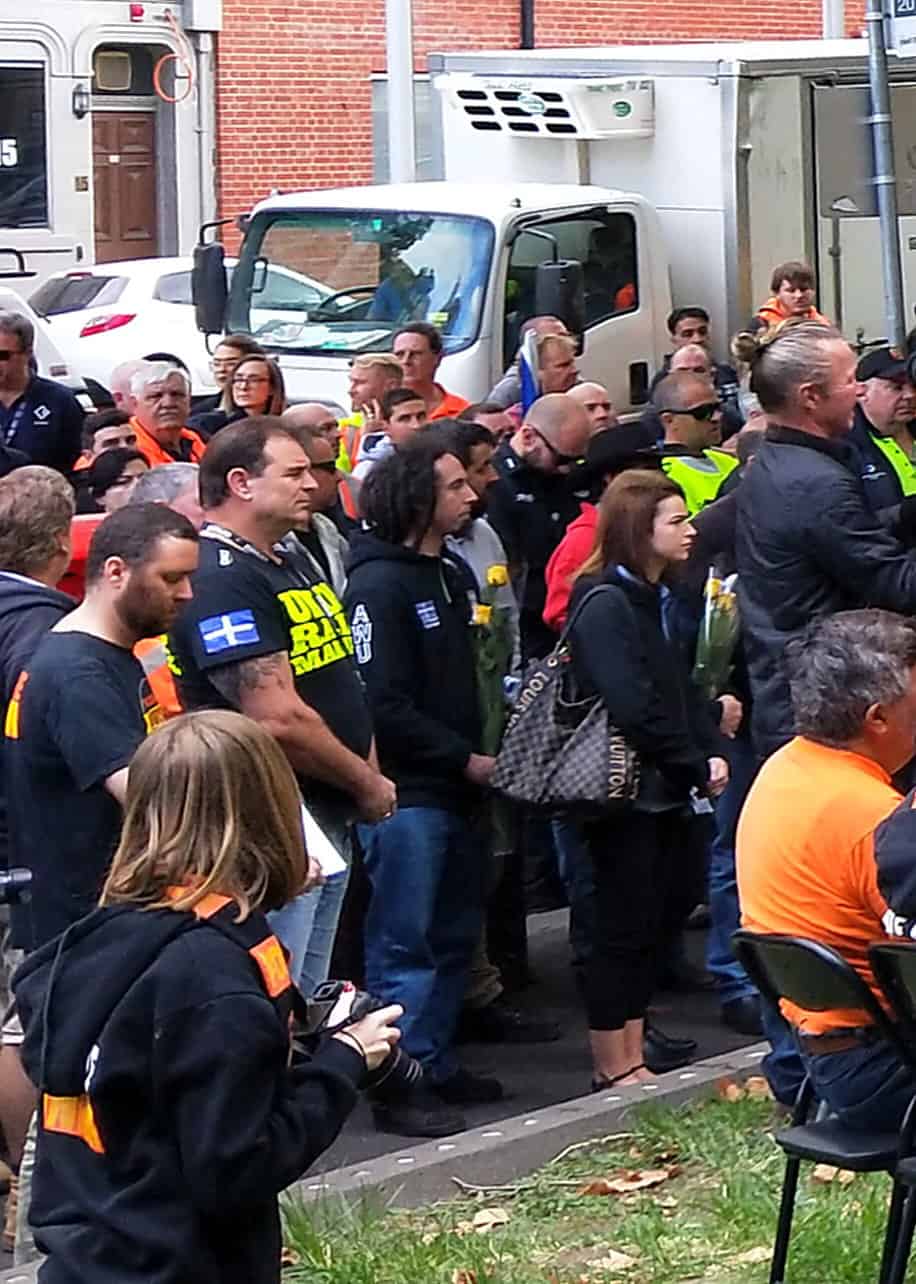
The Australian media on May 16 and 17, 2018 contained several articles about the dropping of a blackmailing case against two prominent trade unionists, John Setka (pictured right) and Shaun Reardon.  There are many issues and allegations in this legal action which started from a contentious Royal Commission and an ongoing dispute between the CFMMEU and the Grocon construction company.

Some unionists, such as the ACTU Secretary, Sally McManus on ABC Radio, say that the current case was “all about safety”.  It is not all about safety and such misrepresentation needs to be called out.  The original dispute was over the election of Health and Safety Representatives (HSR) – whether these could be appointed by the company or the union.  This quickly became about power and influence not specifically about workplace health and safety.

There is no doubt that Setka has a

Subscribe to SafetyAtWorkBlog to continue reading.
Subscribe Help
Already a member? Log in here

Interview with Dr Gerry Ayers

This weekend is the International Workers Memorial Day.  In Victoria, in particular and in Australia more generally, it is highly likely that the issue of Industrial Manslaughter laws will be raised as part of a trade union campaign.

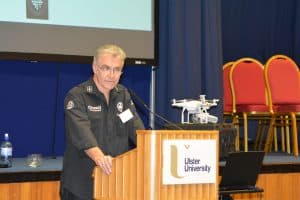
Dr Gerry Ayers, the OHS&E Manager of one of the branches of the CFMEU, features in an online petition about these laws and it seemed the right time to interview Dr Ayers about these laws but also about workplace health and safety enforcement and practices more generally.

Subscribe to SafetyAtWorkBlog to continue reading.
Subscribe Help
Already a member? Log in here

Danger Money has been internalised

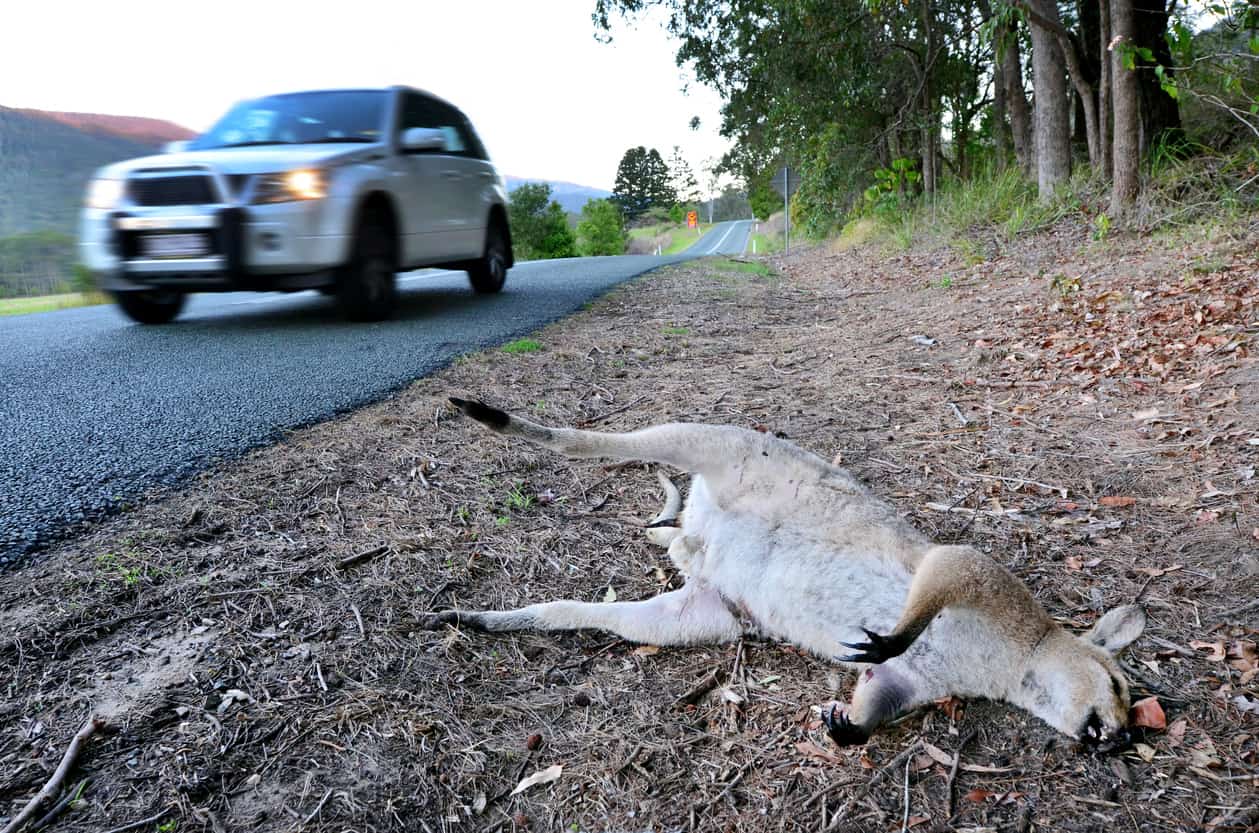
Late last century I worked in the Victorian Department of Labour as an administrative officer, at a time when award restructuring and “structural efficiency principles” were in full swing.  The existing awards often included a swathe of special allowances for activities like working at heights or picking up roadkill.  These allowances were commonly called “dirt money” or “danger money” and were largely eliminated or incorporated in the base rates of pay through the restructuring of awards.

The concept of “danger money” has disappeared from the formal industrial relations (IR) processes in Australia but is an important one to remember in the context of occupational health and safety (OHS), particularly as there are renewed calls for IR reforms in Australia.

Workers continue to accept high risk activities in response to higher rates of remuneration, as was recently discussed in another SafetyAtWorkBlog article.  Below is one take on “danger money”and the OHS attitudes of trade unions

Subscribe to SafetyAtWorkBlog to continue reading.
Subscribe Help
Already a member? Log in here

OHS needs a Benchbook too

Australia’s Fair Work Commission (FWC)  has released the latest (March 2018) edition of its Anti-Bullying Benchbook.  This is a regularly published document that offers background to its decisions and definitions used by the FWC through case studies and plain-English explanations.  The Benchbook clearly states that any occupational health and safety (OHS) issues are to be directed to the relevant OHS regulator but the book provides useful insight to a more (and limited) industrial relations approach to workplace bullying.

A major attraction of the

Subscribe to SafetyAtWorkBlog to continue reading.
Subscribe Help
Already a member? Log in here

Trade unions, jobs, safety and the future

The recently appointed Secretary of the Australian Council of Trade Unions (ACTU), Sally McManus, made a major speech at the National Press Club on 21 March 2018.  It was forecast to lots of media outlets the morning prior to the speech with selected quotes from McManus, flagging how significant the trade union movements consider this speech.

She made her pitch by reiterating the Australian belief in fairness, the “fair go” and said this is based on two things – “having a job you can count on, and fair pay.” Having a “safe job” was sort-of mentioned in the speech but usually in political terms.  It will be interesting how this speech fits with the anticipated speech for International Workers’ Memorial Day in just over a month’s time.

Six trade union achievements were mentioned but workplace health and safety was not

Subscribe to SafetyAtWorkBlog to continue reading.
Subscribe Help
Already a member? Log in here
Concatenate Web Development
© Designed and developed by Concatenate Aust Pty Ltd