Reopening challenges are more like manageable inconveniences

Many Australian workplaces will be reopening in the next few weeks.  Their productivity capacity will change, their workplaces, will change and their approach to, and understanding of, occupational health and safety (OHS) will need to change.  But there are signs that some business owners and employers are embracing risk and safety in this new operating climate but there are others who are either denying the changes needed, are struggling to think creatively, are ill-informed or are stupid.  Most of these realities were on display in a single edition of the Australian Financial Review (AFR) on May 8, 2020 (paywalled) – the primary source for this article.

The timing of the newspaper edition is important as it was published on the morning before the Prime Minister, Scott Morrison, and Chief Medical Officer, Brendan Murphy, revealed the decisions of the National Cabinet. A further blog article will be produced on those decisions shortly.

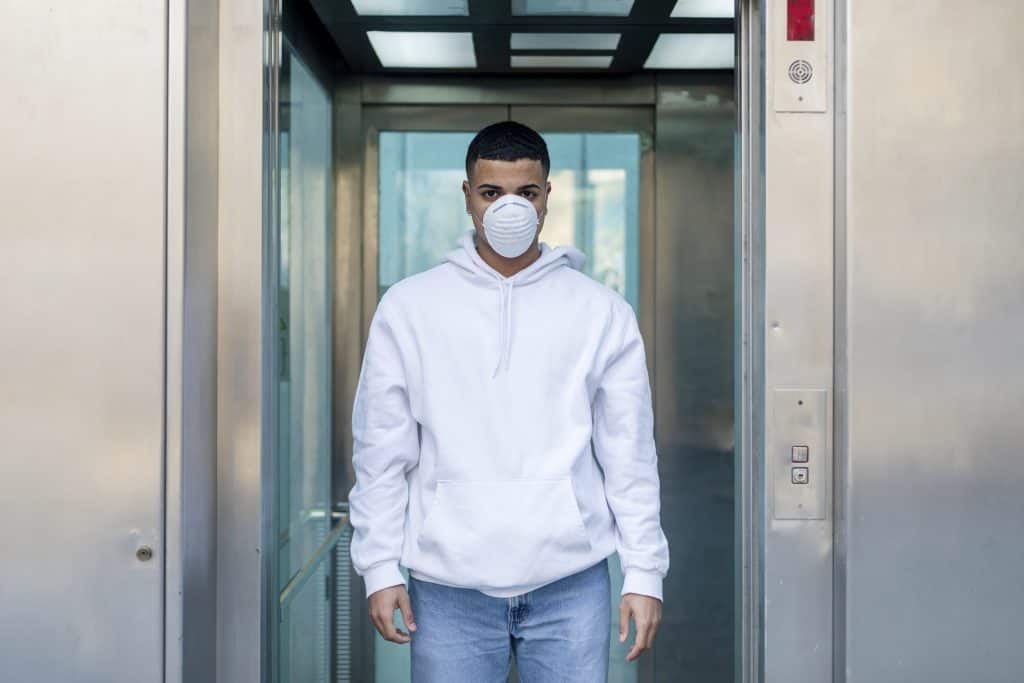
Lifts and Whinging

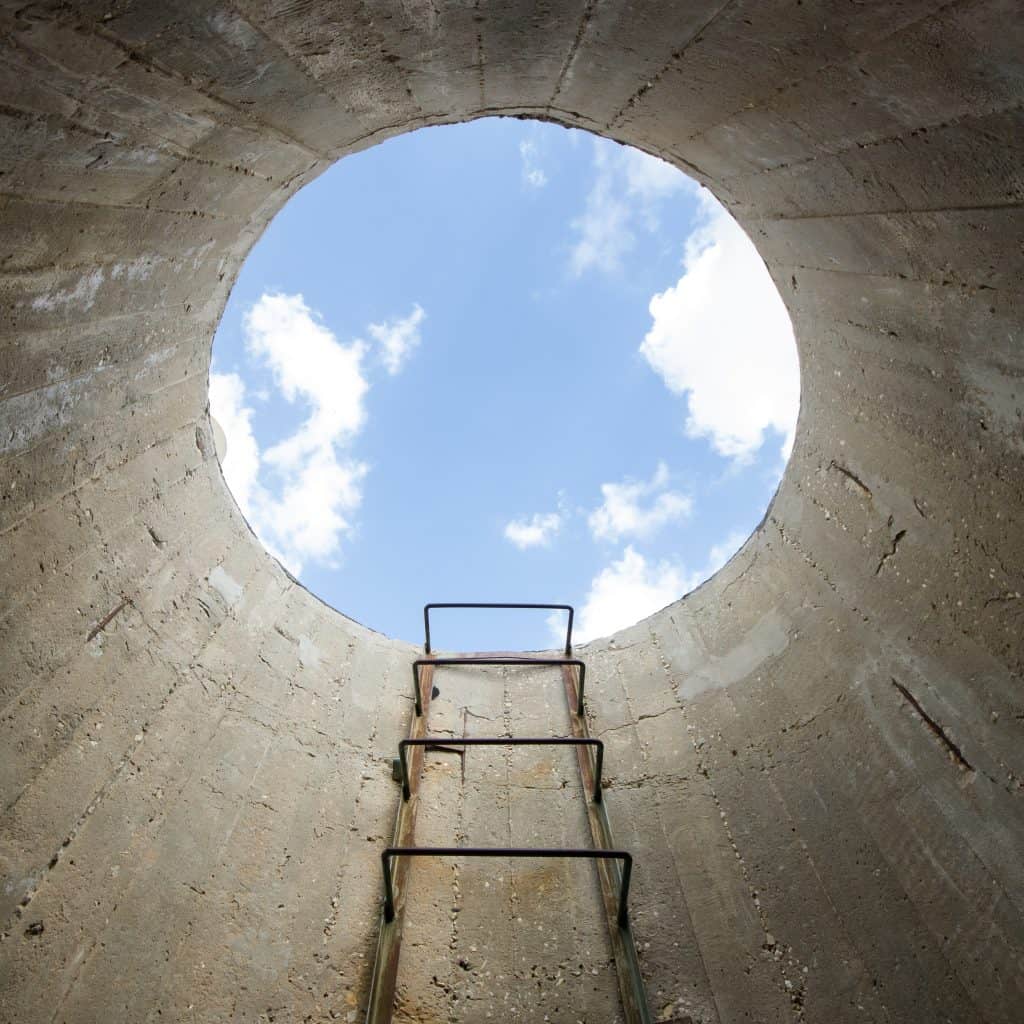
The AFR front page carried a short story called “Elevated risks in office lifts” that shows the deficiencies of several thought processes mentioned above.
Subscribe to SafetyAtWorkBlog to continue reading.
Subscribe Help
Already a member? Log in here

What is needed to get us out of this crisis

As parts of the world begin to emerge from the disruption and lockdowns of COVID19 some academics and experts are advising that the future must be built on the past but should not seek to replicate it. Over a dozen prominent, global academics (listed below) have written a discussion paper to be published in the Economic & Labour Relations Review (ELRR) in June 2020 entitled “The COVID-19 pandemic: lessons on building more equal and sustainable societies” which includes discussion on workplace relations and factors affecting mental health at work. These big picture discussions are essential in the development of strategies and policies for the post-COVD19 world and occupational health and safety (OHS) has a legitimate, and some would say unique, voice.


Subscribe to SafetyAtWorkBlog to continue reading.
Subscribe Help
Already a member? Log in here

Gender, OHS and Checklists

The topicality and importance of many issues highlighted in early 2020 have disappeared. One of them was the issue of sexual harassment in the workplace and Libby Lyons, Director of the Workplace Gender Equality Agency, has released the speech she intended to give at the, now cancelled, Commission on the Status of Women meeting at the United Nations. Lyons said this about sexual harassment and employers:

Subscribe to SafetyAtWorkBlog to continue reading.
Subscribe Help
Already a member? Log in here

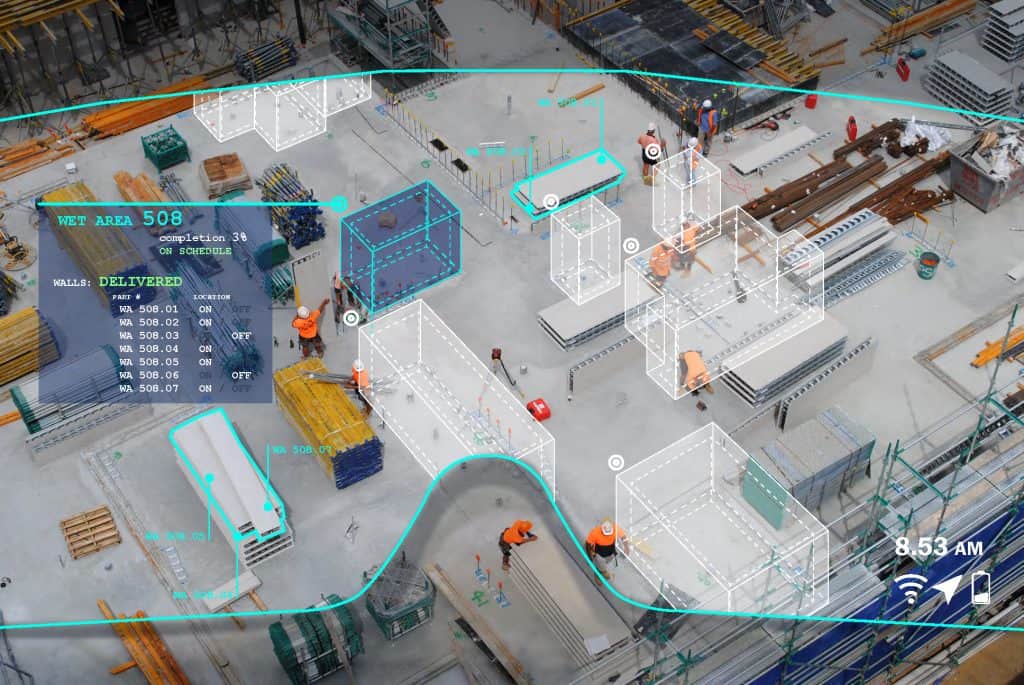
Safety In Design to be included in new digital construction research

In March 2020, several Victorian universities and others were proud to announce their being provided government grants to

“…. transform how buildings are designed and manufactured in Australia”.

Given that safety in Design of buildings has been an ongoing initiative for many years, several questions on this topic were sent through to the Interim CEO of Building 4.0 CRC, Monash University Professor Mathew Aitchison. Below is the response.

Subscribe to SafetyAtWorkBlog to continue reading.
Subscribe Help
Already a member? Log in here

Thinking beyond one’s role on OHS

“My approach tends to be revolutionary.”

A major criticism of the Australian Prime Minister’s handling of the current bushfire disaster in South-east Australia is that he was reluctant to engage in the fire fighting or relief effort. Scott Morrison’s reason was valid – firefighting responsibilities sit with the States and Territories. The Federal Government has no direct role in this.

Australian politics, and progress, continues to be hampered by the Constitutional demarcation of National and States rights and obligations, but Morrison missed the point. One does not have to be directly involved in an event to show support and leadership, and leadership can be effective in a secondary, support role. This is equally the case for occupational health and safety (OHS).

Subscribe to SafetyAtWorkBlog to continue reading.
Subscribe Help
Already a member? Log in here

New Zealand leads on wellbeing

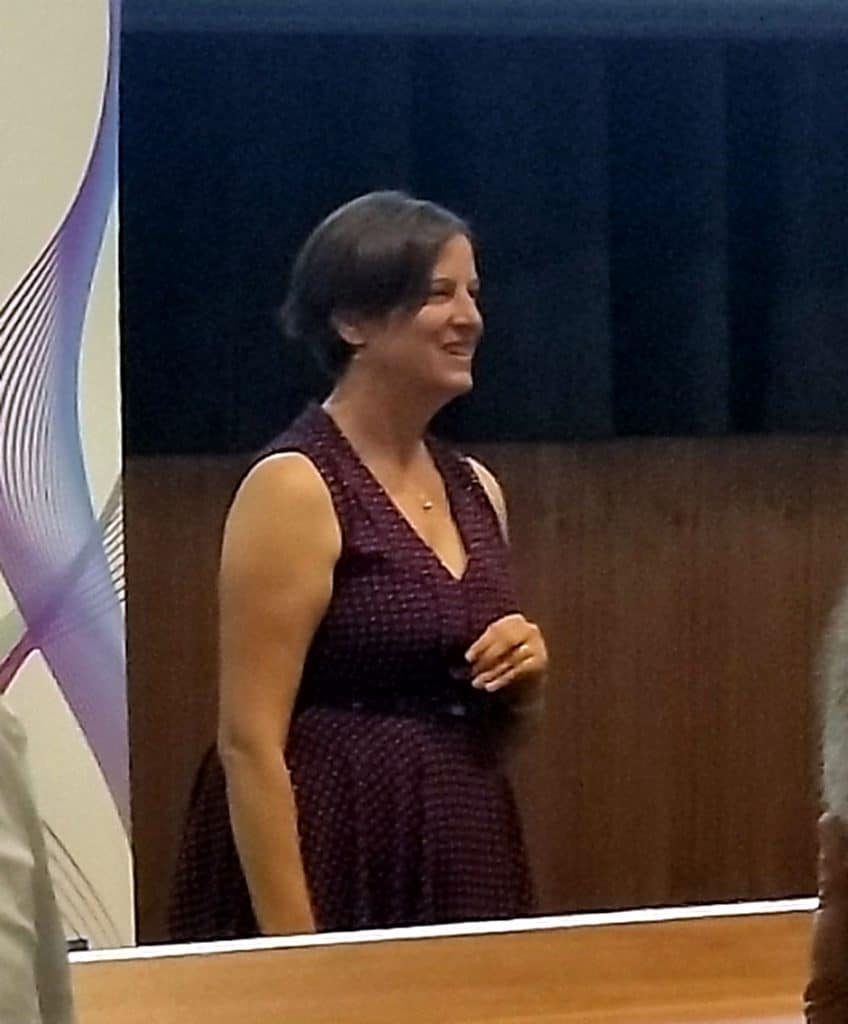
A couple of months ago, SafetyAtWorkBlog mentioned New Zealand’s Wellbeing Budget. Last week a representative of the NZ Treasury, Ruth Shinoda, spoke about it from direct experience in Melbourne at the 7th Global Healthy Workplace Summit. The Wellbeing Budget and a complimentary Living Standard Framework provide important contrasts to how Australia is valuing the healthy and safety of its citizens and workers.

Subscribe to SafetyAtWorkBlog to continue reading.
Subscribe Help
Already a member? Log in here

Listening anew to the voice that has always been there

The growth of visible and prominent customer services, such as those in the collective term of “gig economy” – has coincided with an increased consideration of alternative socioeconomic structures and broader political diversity, especially in the UK and to a lesser extent Australia and New Zealand. One manifestation of this change is an emerging consideration of Co-operatives and worker ownership. This may seem outside the occupational health and safety (OHS) purview of this blog but co-operatives often allow workers more input into business operations and therefore more influence on OHS standards and management. However, should this influence come from increased worker wealth or is OHS more fundamental than money?

Subscribe to SafetyAtWorkBlog to continue reading.
Subscribe Help
Already a member? Log in here
Concatenate Web Development
© Designed and developed by Concatenate Aust Pty Ltd