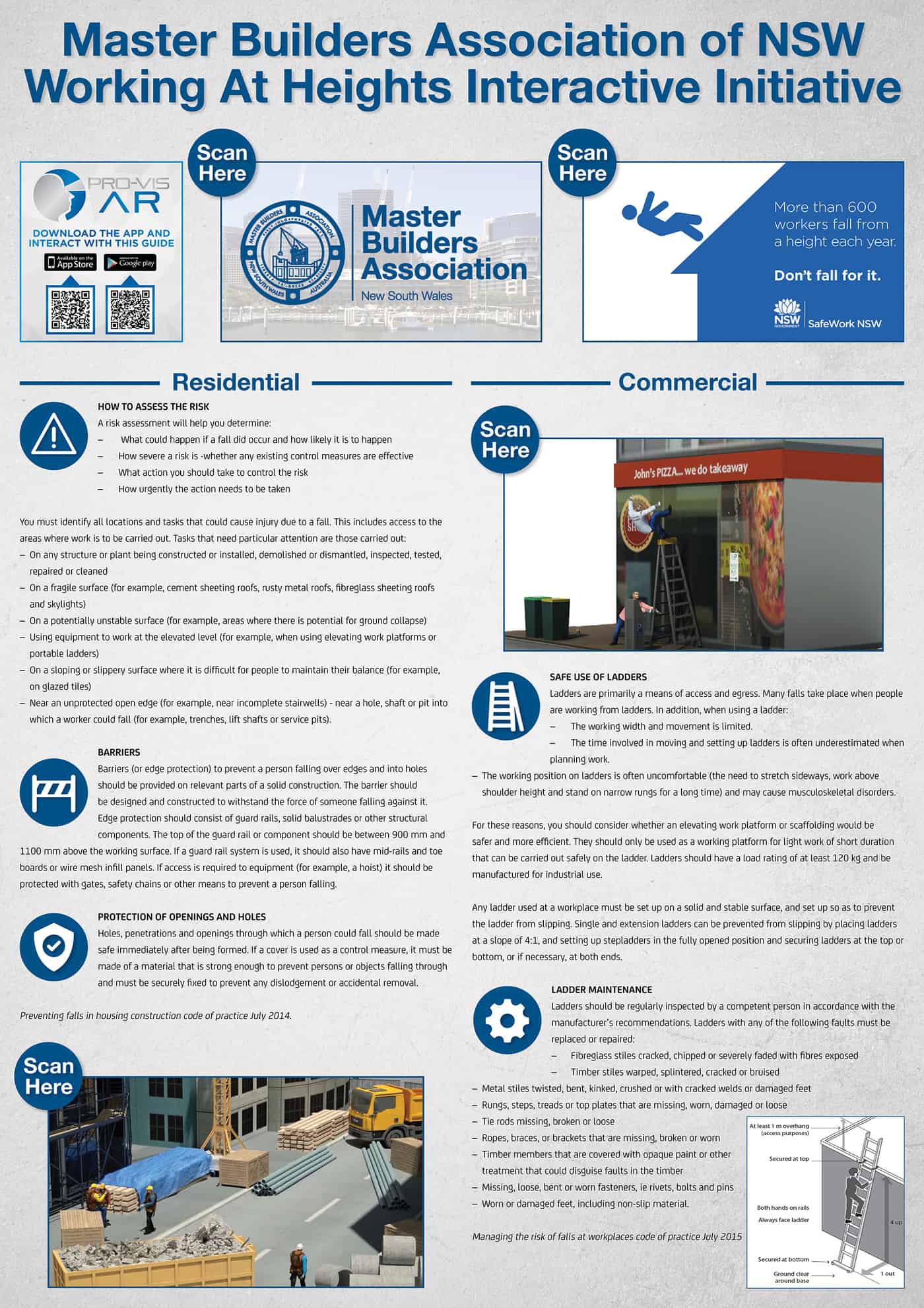
LinkedIn and other social media often includes “inspirational” posters and memes. They are eye-catching and often funny but they can also be thin and simple. This simplicity can reinforce thoughts that may work against being safe. The image on the right is an example.
Category: innovation
Extracting good from maps of death
Ever since I read the London Encyclopaedia during my honeymoon in England, I have waited for a similar encyclopaedia based on workplace safety. However, the world has changed since then and such an encyclopaedia would most likely to be created as an app.
The London Encyclopaedia is indexed by places, streets and addresses, and so should a “Safety Encyclopaedia” app through a localised map of workplace fatalities.
Talking about safety – old skills in new ways
Australia’s latest Prime Minister, Malcolm Turnbull, has a strong background in technology investment and is urging the country to embrace innovation. This has generated a focus on information technology start-ups but it may also create opportunities for occupational health and safety (OHS) professionals, if they are willing to change.
There has been a quick growth in
OHS benefits of motion sensors and contemporary anthropometry
Several years ago, at a workshop over the development of the next Australian National Strategy for occupational health and safety (OHS), participants were asked to forecast an issue that would appear or be useful in the next decade. I suggested sub-dermal implants that would record or transmit real-time health data. My suggestion was received with laughter and a little bit of horror.
The sub-dermal implants for OHS monitoring are yet to occur but the electronic collation of important health data has progressed to a high level of relevance. This not only involves measuring body stresses but the bodies themselves. Continue reading “OHS benefits of motion sensors and contemporary anthropometry”
OHS ROI pilot research in Queensland
Work Health and Safety Queensland (WHSQ) recently revealed some early research into the Return on Investment (ROI) of occupational health and safety (OHS) controls. (Thanks to a reader for pointing it out) According to its website:
“Recent pilot research in several Queensland organisations found clear evidence of the cost effectiveness of safety interventions, including:
- an automatic shrink wrapping machine at Rexel’s Tingalpa distribution centre that had an ROI of around $1.82 for every $1 of costs, and a payback of upfront costs of less than three years
- an ergonomics intervention at BP Wild Bean Cafés with an ROI of $2.74 for every $1 of costs and a payback within the first month
- a workplace health and wellbeing program at Port of Brisbane that had an ROI of $1.58 for every $1 of costs and a payback of 15 months.”
None of this “pilot research” is publicly available so it is not possible to verify the data. (WHSQ has been contacted for further information for a follow up blog article)
Building a better future but maybe not a safer one
The Australian Council of Trade Unions (ACTU) has a strong commitment to safe and healthy workplaces in Australia and would likely assert that nothing is more important than the safety of workers. However the latest submission to government on economic and social reform, “Building a Better Future – a Strong Economy for All” (not yet available online), has missed the chance to bring occupational health and safety (OHS) into the current policy debate on economic and productivity reforms. Continue reading “Building a better future but maybe not a safer one”
Analysing safety leadership can be distracting
Any blog about occupational health and safety (OHS) will write repeatedly about leadership. Safe Work Australia advocates leadership as beneficial to OHS:
“When leaders make sure all business risks, including work health and safety, are effectively managed, and continually monitor and review all areas of their business’ performance, they will be open to opportunities for innovation, and alert to emerging hazards.”
But leadership requires someone to apply it and often, in the OHS sphere, people wait for others to show leadership rather than seeing their own potential.