

What does occupational health and safety (OHS) have to do with Industrial Relations? It depends on who you ask. I think it is integral, but many, such as the trade union movement, seem to call on OHS only when needed, and then in the shallowest of ways.
Category: law
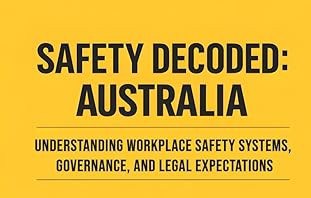
Poor Editing Undermines Good Safety Thinking
There is a strong trend among occupational health and safety (OHS) professionals and leadership coaches to self-publish books. Printing technology has made this much easier than previously. Artificial Intelligence will make it more so. The content might be okay, but many of these books need professional editing. Reading and learning are not just about the words on the page but also about the experience of reading a book that should become a treasured friend and a reliable reference.
Sadly, I recently purchased a book that is full of good intentions, but it’s not enjoyable.
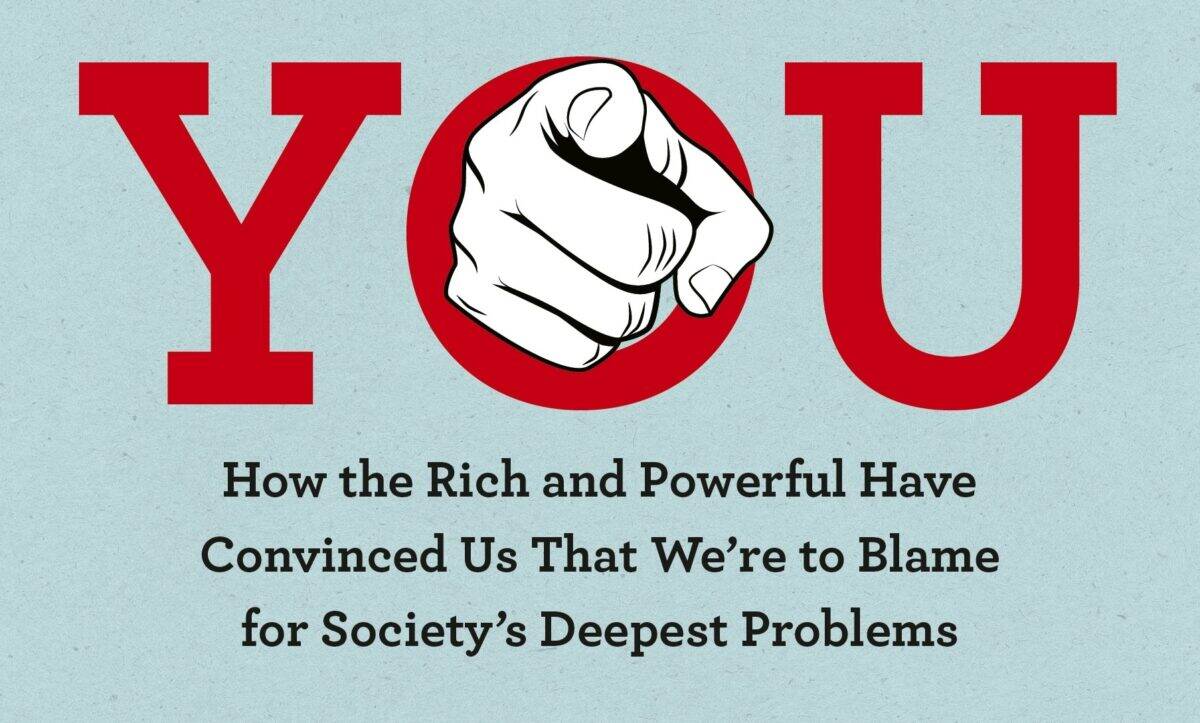
Stop Blaming Workers for Problems They Didn’t Create
Australian occupational health and safety (OHS) is moving from a focus on interventions at the individual worker level to examination of the operational and managerial systems that may cause or encourage harm and incidents, especially in relation to psychological safety at work.
Although a new book from the United States does not address OHS specifically, its long title indicates its relevance – “It’s On You – How the Rich and Powerful Have Convinced Us That We’re to Blame for Society’s Deepest Problems”.
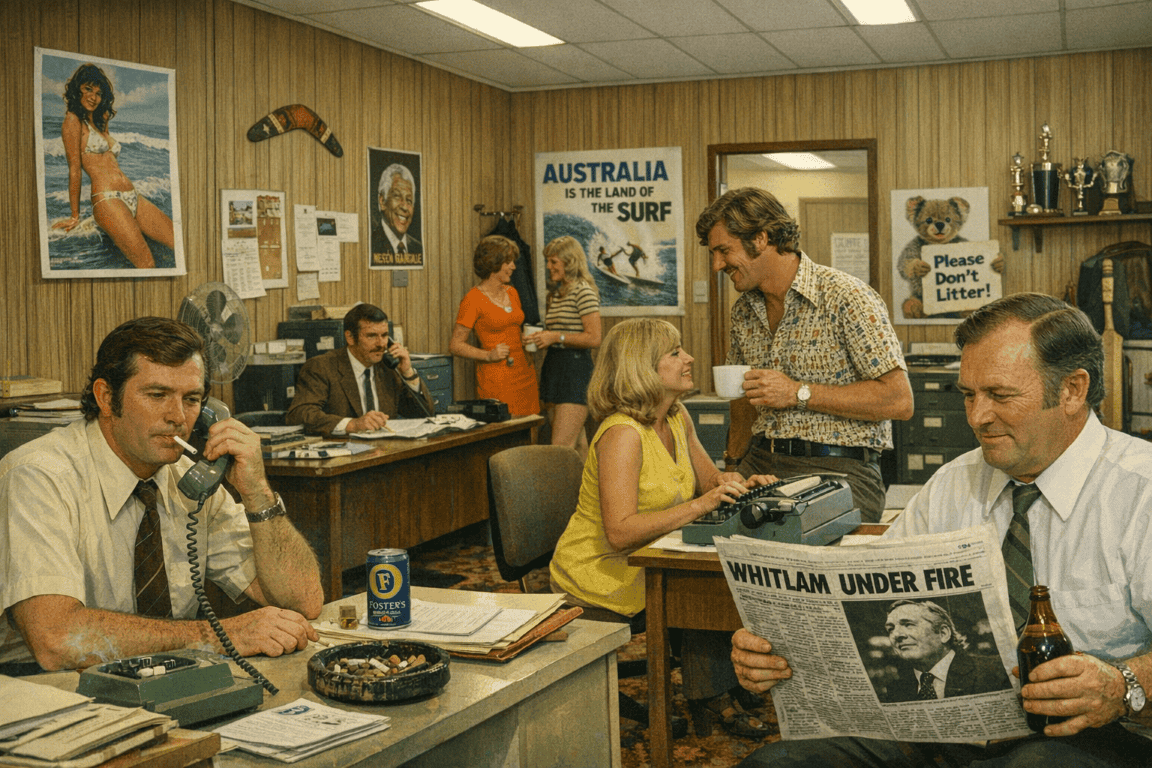
The 1970s Never Ended for Some Employers
For the last few years in Australia, occupational health and safety (OHS) laws have required that the prevention of psychosocial hazards be given the same prominence as the prevention of physical hazards. The most effective recommendation for change is the redesign of work, but very few employers seem to be applying this control. Many employers are still asking (their Human Resources officer) what this psychosocial stuff is all about.
Examining organisational culture at one Australian institution that failed to prevent and may have generated psychological harm in the 1970s provides some context for contemporary OHS struggles.

The Socialisation of Work Health and Safety
We like to pretend OHS begins with a regulation or a checklist, but the truth is far less glamorous: it starts with the basic childhood lesson of “don’t hurt people.” Everything else is just the paperwork society builds around that idea. Part of that “paperwork” is the process of socialisation.
There are several definitions of socialisation:
- learning how to live in a way acceptable to one’s own society,
- interacting with others, of being social, and
- implementing socialism.
Occupational health and safety (OHS) is part of all three (the third is more debatable). Socialisation is often seen as a personal experience, but in most instances, socialisation is imposed on us.
Honouring OHS Contribution While Agriculture Remains Deadly
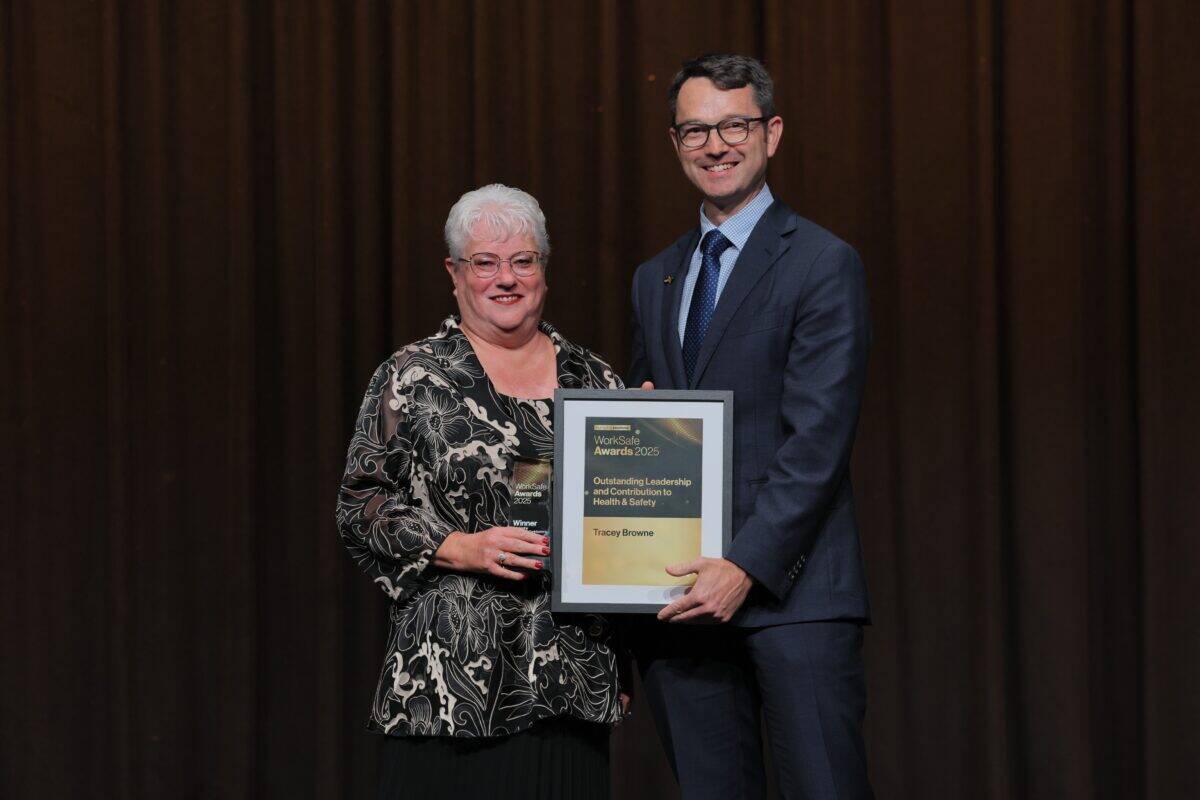
Occupational health and safety in Australia continues to have a low political and commercial profile, but that does not deny that we have significant OHS contributors. At a recent awards ceremony, WorkSafe Victoria recognised Tracey Browne (pictured above) for her contribution to OHS.
But other speeches raised other interesting OHS issues, especially regarding farm safety.

The Work‑From‑Home Debate Needs Less Theatre and More OHS
A recent radio forum on working from home reinforced the political motivation behind promoting it as a legal right and also highlighted the knowledge gaps we have about it. Occupational health and safety (OHS) was mentioned in the discussion, but its core significance was again downplayed.