Over twenty years, Finland decreased the male suicide rate by 61%. What can the rest of us learn from that country’s achievement?
[The following article discusses the management of suicide and suicide prevention.]

Over twenty years, Finland decreased the male suicide rate by 61%. What can the rest of us learn from that country’s achievement?
[The following article discusses the management of suicide and suicide prevention.]
Many internet search engines and browsers offer an Artificial Intelligence (AI) search function. The answers seem palatable, convenient and accurate, but are they? I tested the AI search function to see for myself.
Continue reading “Why AI Still Can’t Tell What SafetyAtWorkBlog Really Thinks”Every company seems to have a Mission Statement, a Values Statement, or something similar that all employees are expected to follow and comply with. Largely, these are aspirational statements, but they are sometimes invoked when/if an employee needs to be disciplined or dismissed. The values are often vague and lend themselves to various interpretations, even though compliance is expected and is usually part of the employment contract.
At the moment, some conservative politicians, such as Angus Taylor, are emphasising the need for citizens and immigrants to commit to and comply with “Australian values”. How he plans to enforce them is unclear, but most of his proposed values have direct impacts on how occupational health and safety (OHS) is likely to be managed.
Discussions about “the human condition” rarely make it into board papers or safety strategies, yet they sit underneath almost every modern workplace challenge. Whether we’re talking about psychosocial hazards, insecure work, presenteeism, or the slow cultural erosion that comes from constant restructuring, the through‑line is unmistakable: work is a profoundly human activity, and when we forget that, harm follows.
Occupational health and safety (OHS) is rarely addressed in election campaigns, and the Victorian election in November is likely no exception. However, there are OHS issues that need to be discussed and addressed, and there may also be a political advantage.
Harvard Business Review (HBR) is an active publisher of articles on business management. In 2024, it released a collection of essays on psychological safety as part of its Emotional Intelligence series. HBR’s psychological safety advice is written for a U.S. corporate audience. It largely ignores the legislative duties that shape psychosocial risk management in Australia, so the advice should be considered with great caution.
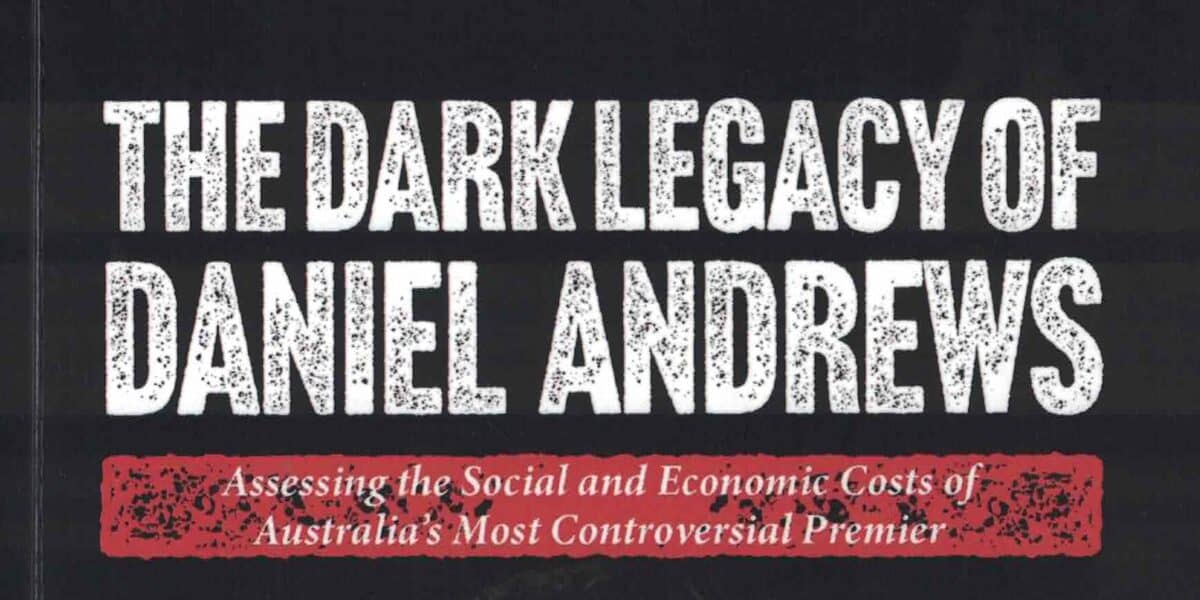
I pride myself on listening to a broad range of views, so I purchased a recent book called “The Dark Legacy of Daniel Andrews – Assessing the Social and Economic Costs of Australia’s Most Controversial Premier“. Reading it stretched my patience as few of the various writers acknowledged that Premier Dan Andrews saved many lives during the COVID-19 pandemic, even though his very long lockdowns were economically and psychologically damaging.
I read this book looking for factual accuracy, analytical rigour, ideological framing, and relevance to OHS. It missed almost all my expectations.