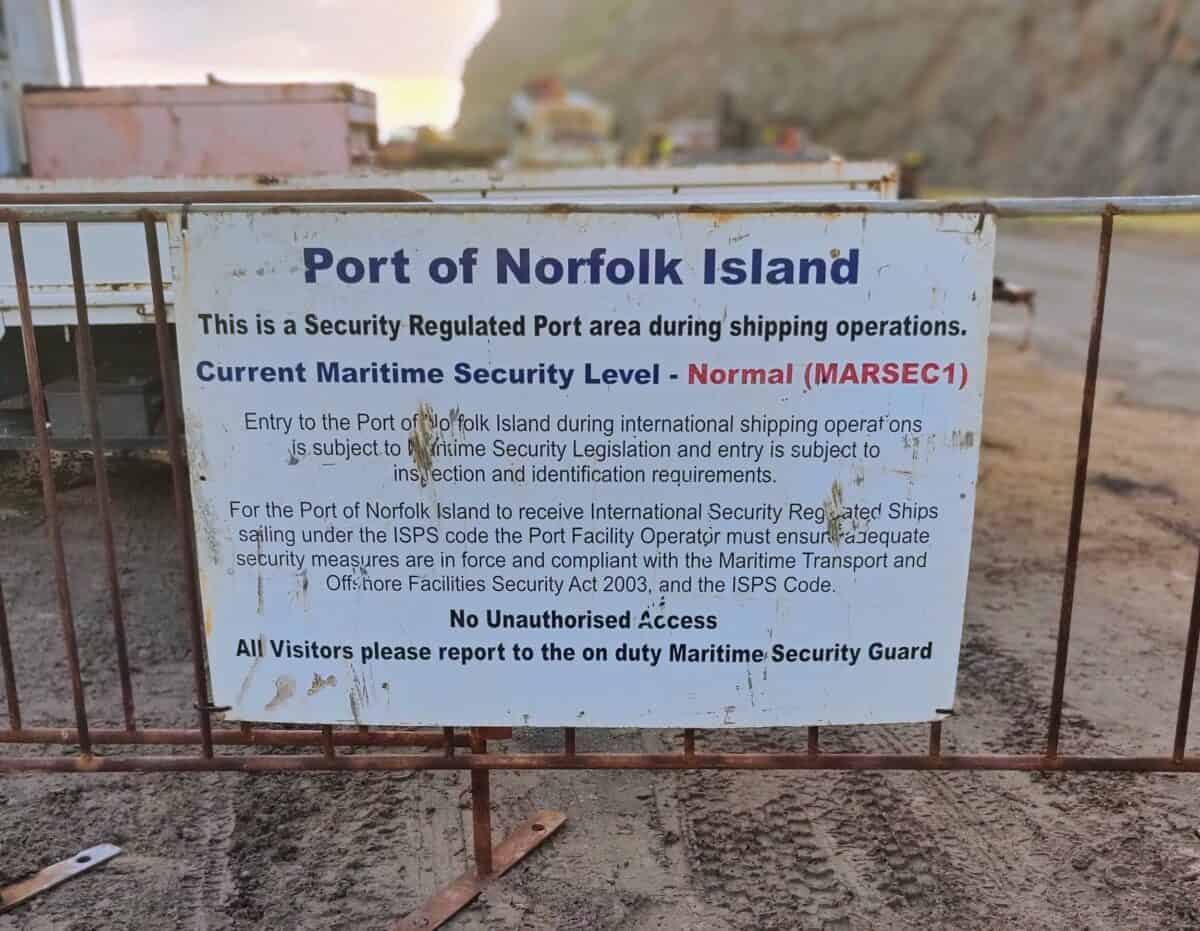
Safety Work on Norfolk Island Needed a Different Map

Returning to Australia after six months as a health and safety adviser on Norfolk Island has left me thinking hard about what “doing safety” really means in a remote, resource‑tight community. Norfolk Island Regional Council has cycled through several mainland advisers over the years, usually on short contracts and sometimes without an effective handover. That churn created complexity, not culpability. As I wrote in my notes at the time: “There were many safety things the Council could have done differently… but I don’t think it was doing anything wrong.”

The real issue seemed to be differing expectations – what mainland advisers thought was achievable, and what the island’s workforce actually needed.
Subscribe to SafetyAtWorkBlog to continue reading.
Subscribe Help
Already a member? Log in here

The Work-From-Home Right Meets Business Group Anxiety

Based on mainstream media reports of the working-from-home (WFH) debate in Victoria over the last few weeks, Victorian politics has fractured over the proposal to give most employees a right to work from home two days a week. The politics of the WFH initiative came to the fore, even if occupational health and safety (OHS) didn’t.

Subscribe to SafetyAtWorkBlog to continue reading.
Subscribe Help
Already a member? Log in here

Why Context Matters More Than Ever in Psychosocial Risk Management

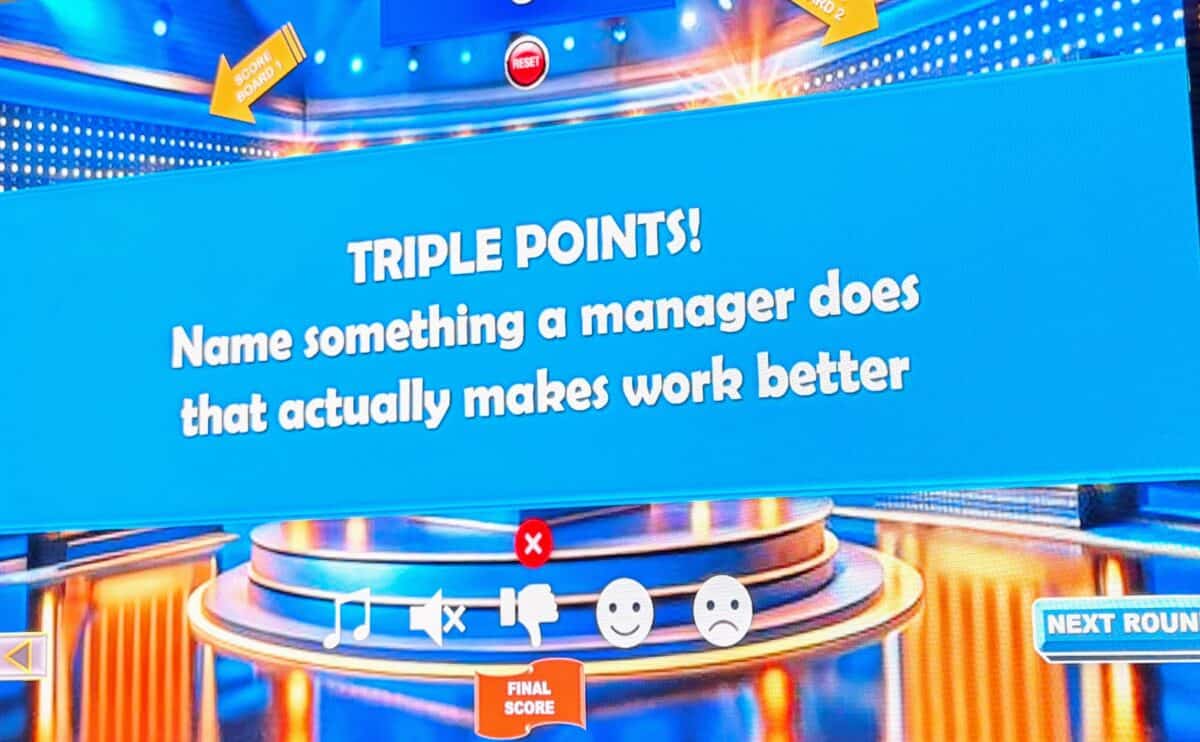
Day 1 of FlourishDx’s Psych Health and Safety conference ended this year with a flourish, featuring a Family Feud-style contest between Occupational Health and Safety (OHS) and Human Resources (HR). It was a raucous conclusion to a day of mixed safety messages.

Subscribe to SafetyAtWorkBlog to continue reading.
Subscribe Help
Already a member? Log in here

New Industries, Like AI, Treat Regulation Like an Optional Extra

In the movie “Working Girl”, Melanie Griffith’s character reveals how she connected merger opportunities when flipping through a magazine. Today’s Australian Financial Review (AFR) presented a similar set of thoughts on psychosocial hazards and Artificial Intelligence (AI). This connection had the added heft of quotes from prominent Australian lawyer, Michael Tooma.

Subscribe to SafetyAtWorkBlog to continue reading.
Subscribe Help
Already a member? Log in here

Solving Psychosocial Harm at Work: The Upcoming Global IAWBH Conference in Canberra

Workplace bullying, harassment and other psychosocial risks are no longer fringe issues – they are central to how we think about safety, fairness and dignity at work. One forum that has been shaping this conversation for more than two decades is the International Association on Workplace Bullying and Harassment (IAWBH) and its much‑anticipated biannual conference. This year’s event brings researchers, regulators and practitioners together in Canberra to tackle some of the most difficult problems in working life, with a strong emphasis on practical solutions, especially pertaining to sexual harassment and gender-based violence.

Professor Carlo Caponecchia, who is presenting at the conference, made some time for a couple of questions.

Continue reading “Solving Psychosocial Harm at Work: The Upcoming Global IAWBH Conference in Canberra”

The Future of Work Looks a Lot Like the Past, Only Faster

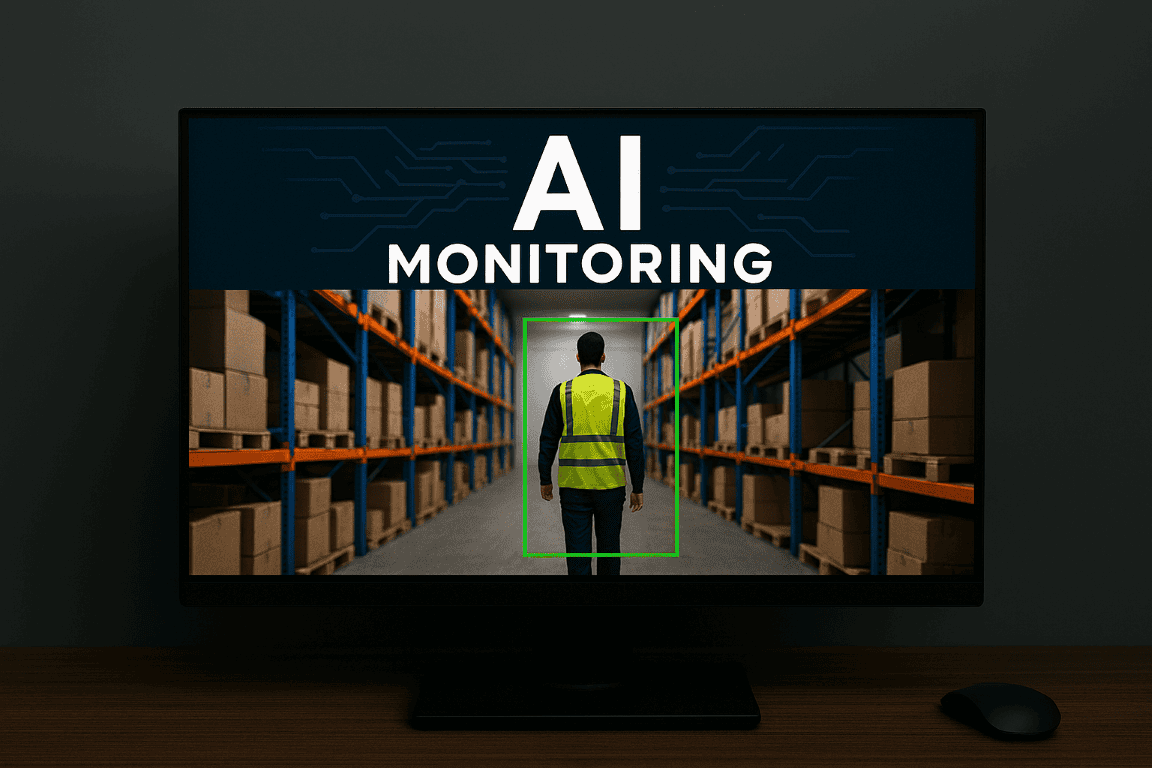
Australian lawyer Michael Tooma is always worth listening to, and he recently participated in a webinar titled “When AI Watches Work: Monitoring Workers and Psychosocial Risks!” hosted by the Global Initiative for Industrial Safety. Tooma reinforced warnings about overreliance on artificial intelligence (AI) in occupational health and safety.

Subscribe to SafetyAtWorkBlog to continue reading.
Subscribe Help
Already a member? Log in here
Concatenate Web Development
© Designed and developed by Concatenate Aust Pty Ltd