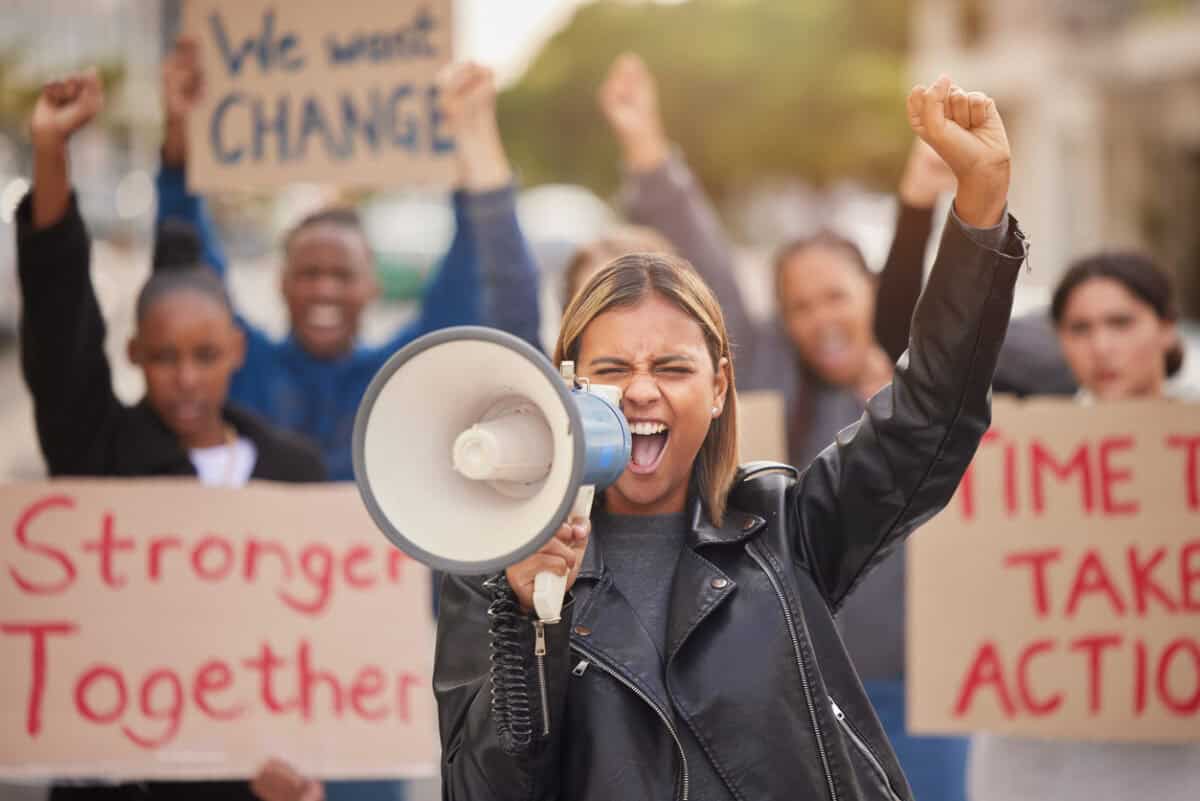
Three recent legal commentaries reveal something important about the evolution of workplace health and safety. They address different issues, from board governance to sexual harassment investigations and cumulative psychosocial hazards, but they all point to the same conclusion: employers are running out of opportunities to treat psychological health as an individual problem. We may be at the start of a work revolution.
Category: lawyers
Billable Hours, Suicide Risk and the Professional Class’s Blind Spot
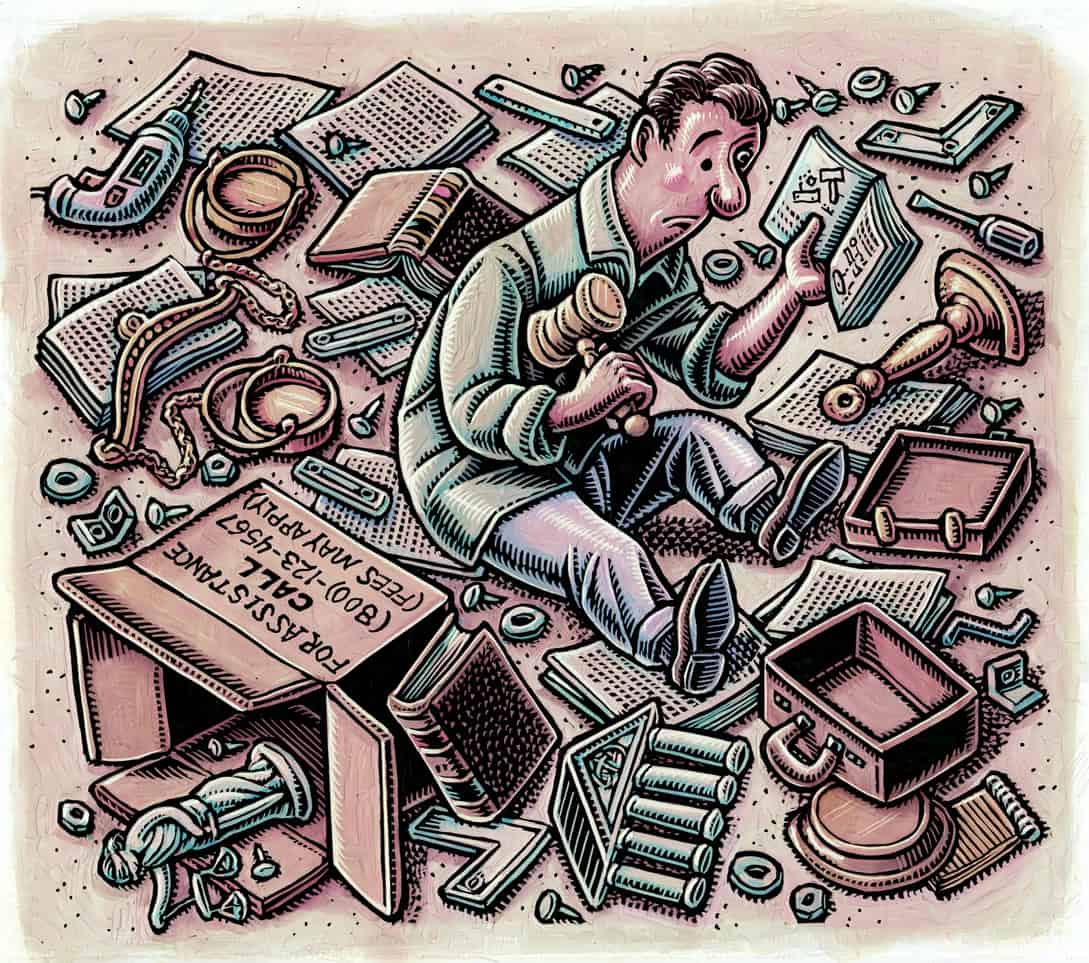
The legal profession has spent decades asking why lawyers are burning out, becoming depressed and leaving practice. The newly released Mental Health and Wellbeing in Legal Workplaces: A Global Guide may have inadvertently provided the answer. As is becoming clear elsewhere, the “mental health crisis” is less a psychological problem than an organisational and systemic one, even in a profession with a strong institutional culture, high legislative awareness and a sense of sophistication.
Christopher’s Death and the Questions That Still Demand Answers
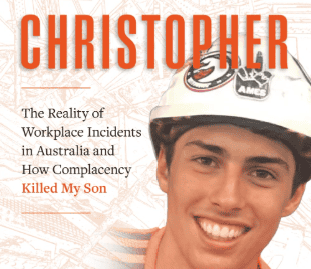
Patrizia Cassaniti has produced a remarkable book about how her life changed due to the death of her 18-year-old son, Christopher, in a scaffold collapse in 2019. Her story comes from grief and anger, and the book is one of the few that made me cry.
Cassaniti’s story is compelling and heartbreaking, but its refusal to name those responsible for the scaffold collapse shapes the book’s impact and raises deeper questions about accountability in workplace deaths. The new first-person accounts in the last third of the book are enlightening and enraging.
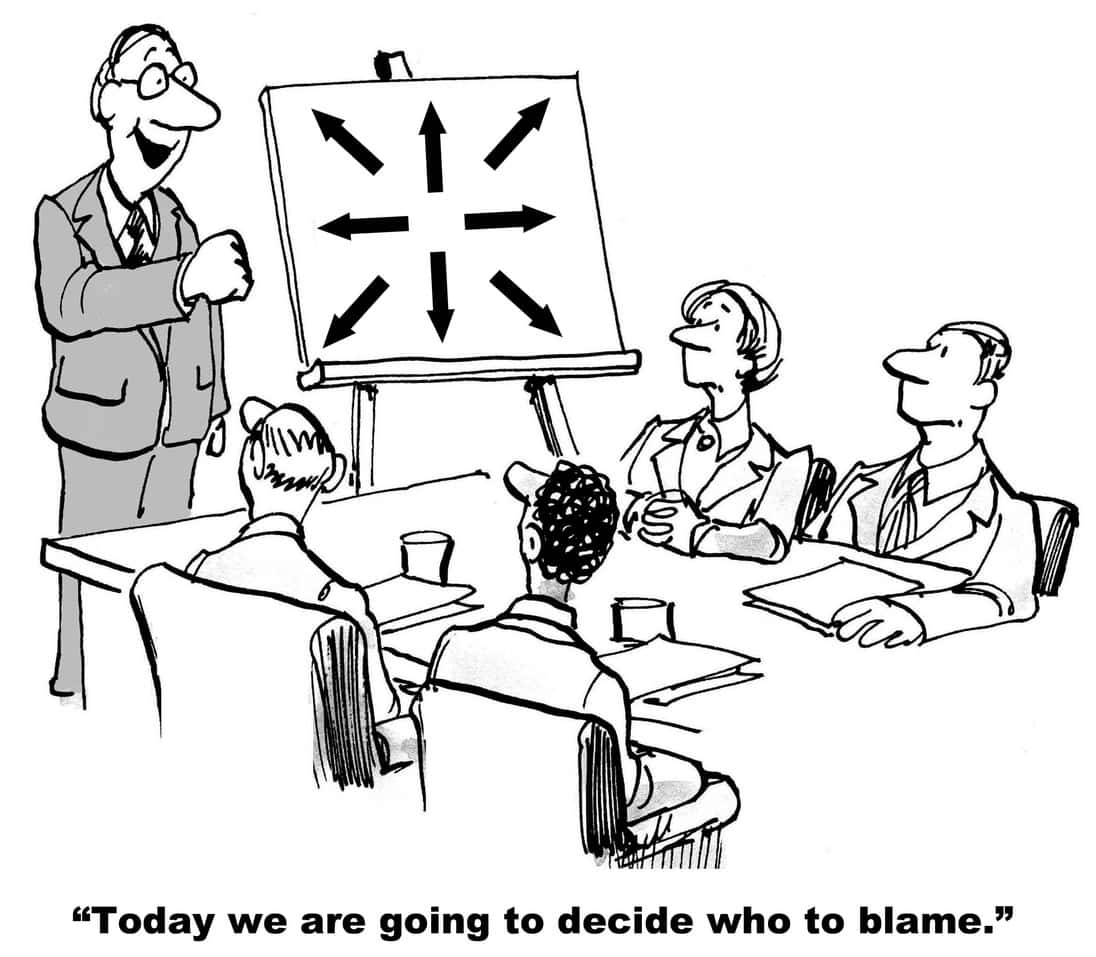
When Everyone’s a Leader and No One’s Accountable
Business management advisers keep calling everyone a “leader”, but the term has become so vague it obscures who actually holds the power — and therefore the accountability — to prevent work-related harm. Psychosocial hazards aren’t fixed by slogans or culture talk; they’re shaped by decisions about workload, staffing, supervision and resources.
This article is based on my presentation to the Central Safety Group members on May 12, 2026, about leadership and occupational health and safety (OHS).
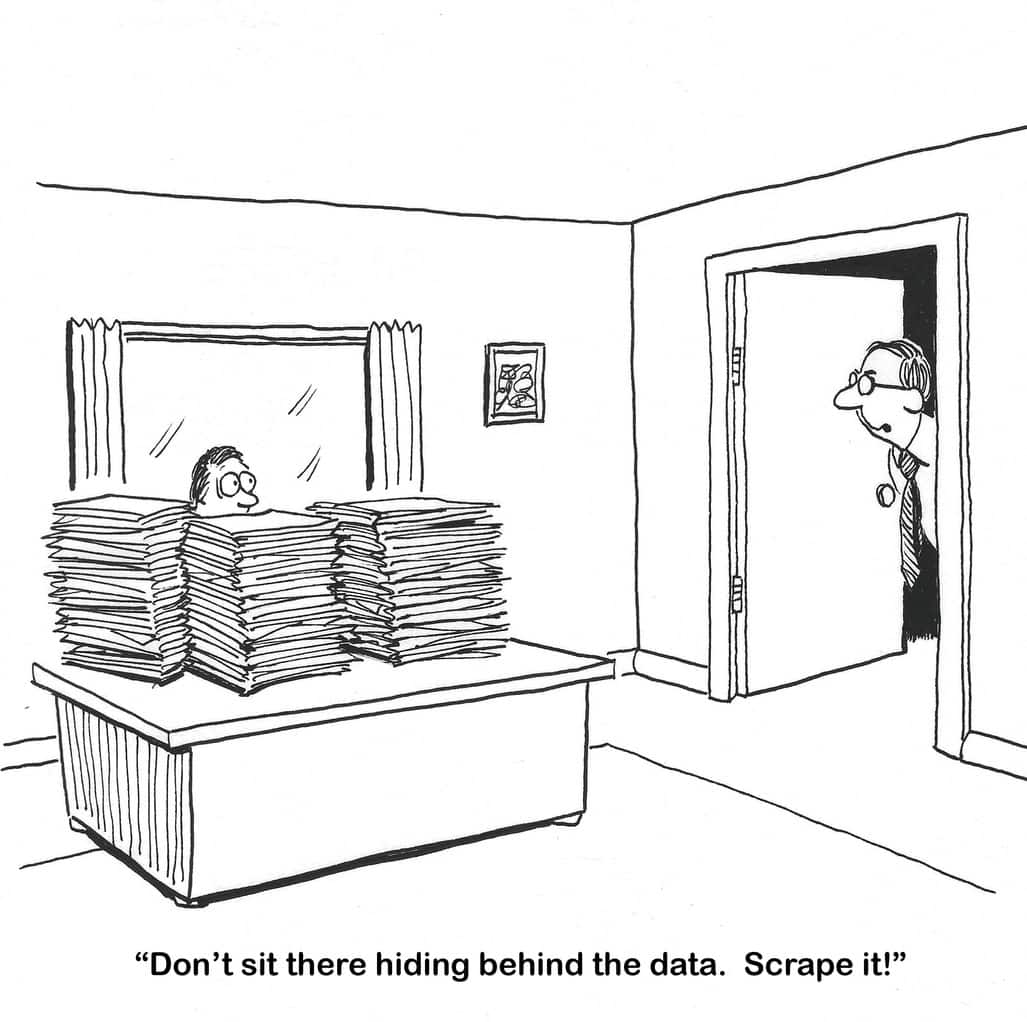
Compliance is Not Safety and Data is Not Wisdom
In the 1990s, there was a significant discussion about “Big Data”. Organisations had begun working digitally due to rapid technological growth and the digitisation of historical records. But the data was so large at the time that its usefulness was questionable. Big Data was of only historical and archival importance until artificial intelligence (AI) tools were developed. Now organisations can turn their Big Data into commercial products and services. International law firm Herbert Smith Freehills Kramer may be a model of the future.
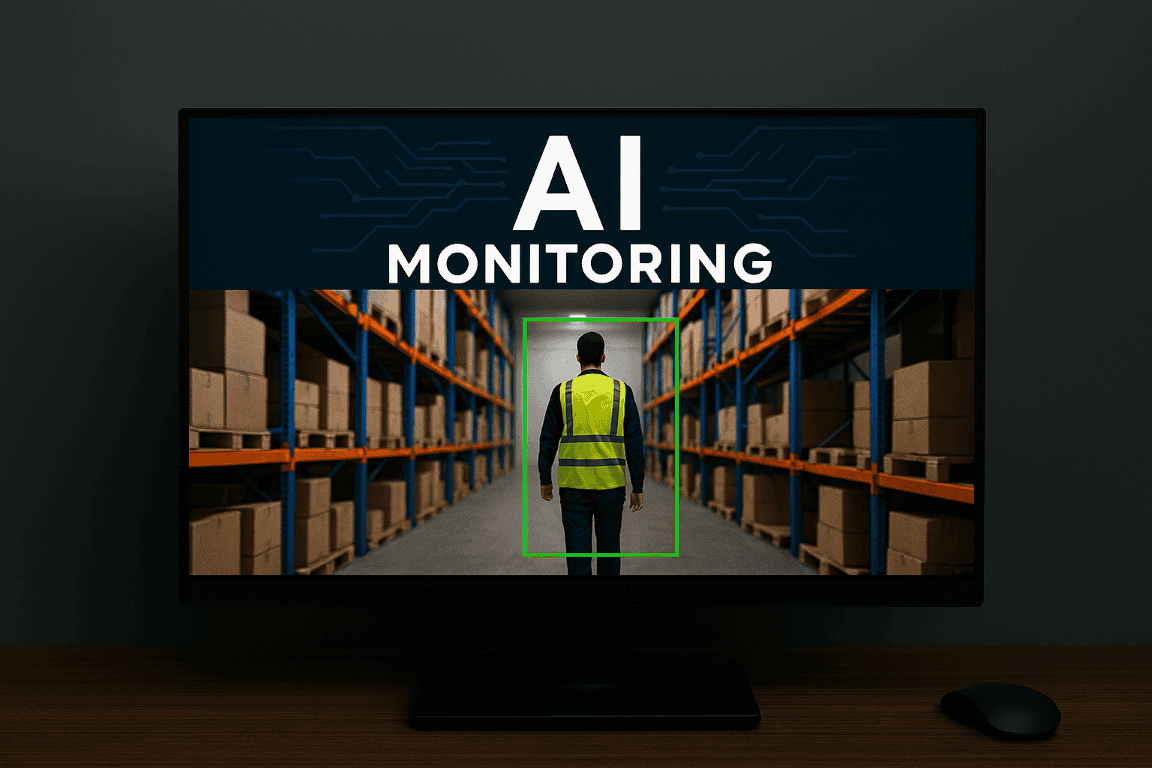
The Future of Work Looks a Lot Like the Past, Only Faster
Australian lawyer Michael Tooma is always worth listening to, and he recently participated in a webinar titled “When AI Watches Work: Monitoring Workers and Psychosocial Risks!” hosted by the Global Initiative for Industrial Safety. Tooma reinforced warnings about overreliance on artificial intelligence (AI) in occupational health and safety.

Celebrity Does Not Cancel the Duty of Care
A hugely popular radio show in Australia, hosted by Kyle Sandilands and Jackie O (Henderson), has been offensive for a long time, but offence can also be entertaining and economically lucrative. Last month, the host clashed on air, resulting in Jackie O leaving. Now there is legal action on several fronts, and psychological health and safety at work is being considered to some extent, and could/should be considered more.