Meaningful memorial that could have said much more

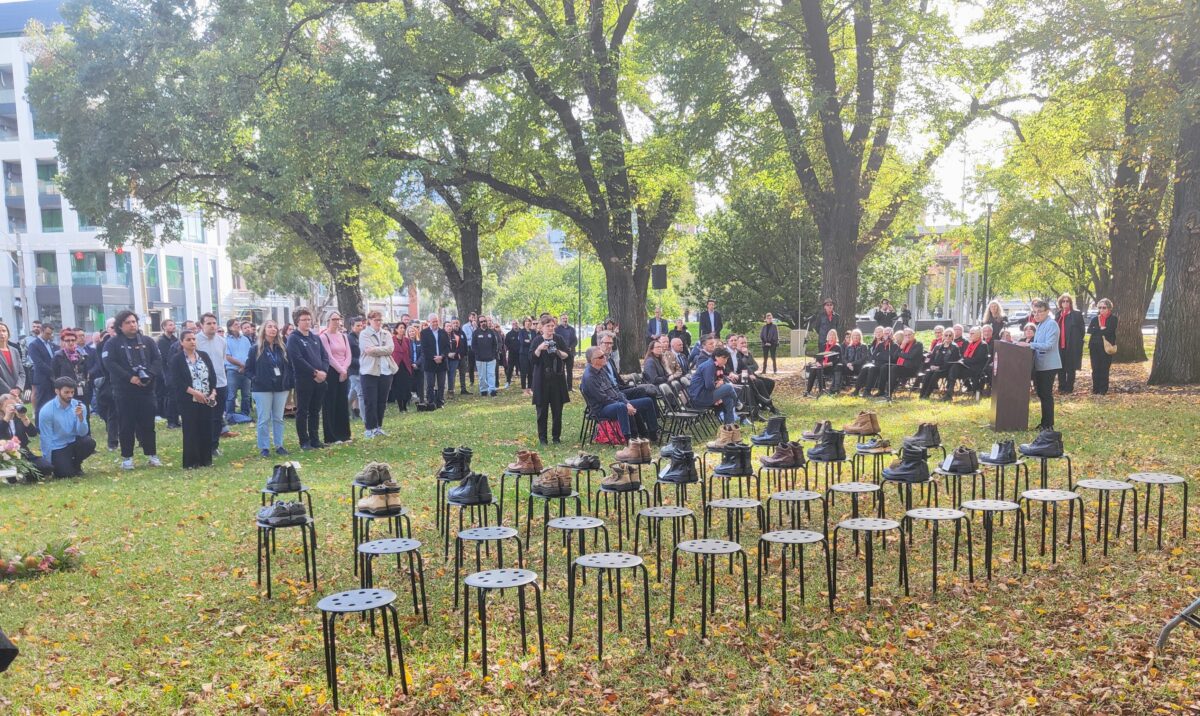
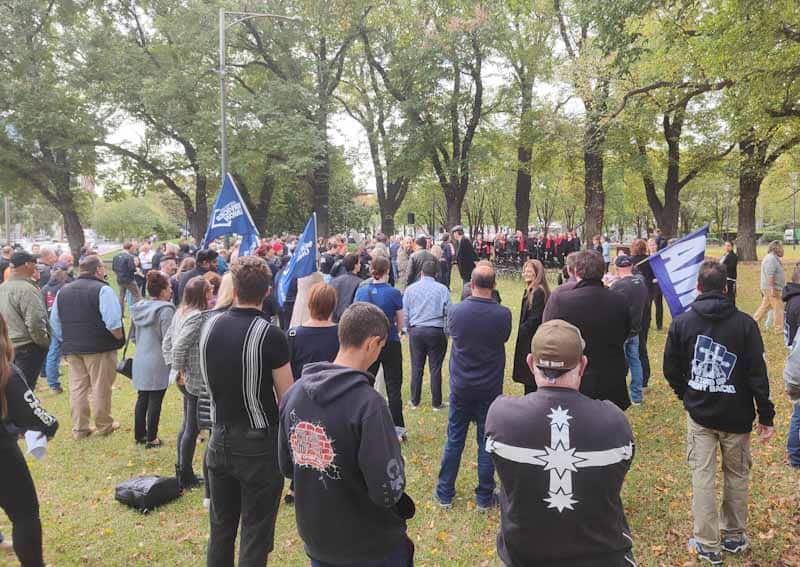
International Worker Memorial Day (IWMD) events are usually moving and solemn occasions.  Today’s event in Melbourne, Victoria, was a good example, but something was missing, especially given the calibre of dignitaries who were present. (A list of most of them is below)

Victorian Trades Hall Council secretary Luke Hilakari was on message as the first formal speaker.  He was the only speaker who addressed the IWMD theme –  The role of AI and digitalisation at work. He was followed by Premier Jacinta Allan, Melbourne Lord Mayor, Nick Reece, Acting CEO of WorkSafe Victoria, and Ash West. The Premier’s attendance was notable as I cannot remember the last time a Premier attended or spoke at this type of event.

Subscribe to SafetyAtWorkBlog to continue reading.
Subscribe Help
Already a member? Log in here

We can build better safety from the decline of the free market

Business ethics has never been a significant focus of occupational health and safety (OHS) organisations or regulators beyond what the law says. OHS advisers in companies and through consultation constantly address ethical or unethical behaviour, even though this is rarely discussed at the academic level or outside of the possibility of prosecution. Over the last four decades, neoliberal ideology and policies have given OHS only grudging attention, if any at all. Neoliberalism is gaining more attention in the OHS literature as the socioeconomic and political sources of hazards are finally receiving serious attention. However, most OHS people cannot remember a world before neoliberalism. It is important to remember that trust in the “free market’ on which neoliberalism was built, the promises of wealth for all, and reflect on how worker health and safety suffered.

Subscribe to SafetyAtWorkBlog to continue reading.
Subscribe Help
Already a member? Log in here

6 Essential OHS Questions for Employers

Occupational health and safety (OHS) laws establish duties on employers (and employees) to provide safe and healthy workplaces. These duties reflect the social morals of the time, but the morality of employers is rarely challenged.

Below is a selection of OHS-related questions that all employers should be asked and able to answer. How would you or your employer respond?

Subscribe to SafetyAtWorkBlog to continue reading.
Subscribe Help
Already a member? Log in here

What the hell is happening with OHS in New Zealand?

The latest government in New Zealand has some wild ideas and policies. Surprisingly, some involve reforming occupational health and safety (OHS) laws. Reform is usually positive as it progresses laws and fixes errors, oversights, or shortcomings, but this NZ activity is different. To start, it is necessary to look at the policies and some of the media statements from the current Prime Minister and Minister for Workplace Relations and Safety.

Subscribe to SafetyAtWorkBlog to continue reading.
Subscribe Help
Already a member? Log in here

Whether it’s a book or a brick, it is invaluable

The latest edition of Creighton & Stewart’s Labour Law book (7th edition) has been released. I say “book”, but it is almost a brick, weighing in on my scales at 1.8 kilograms (see photo below). The book is excellent and probably authoritative, with the primary negative being its size and format. This article focuses on the 79-page occupational health and safety (OHS) chapter written by Richard Johnstone.

Subscribe to SafetyAtWorkBlog to continue reading.
Subscribe Help
Already a member? Log in here

Narelle Beer’s OHS article should be the start of a deeper analysis

Recently former WorkSafe Victoria executive, Dr Narelle Beer, penned an article in LinkedIn called “Going to work should not kill you!” The article is a good introduction to occupational health and safety (OHS) but some important points are overlooked or unexplored.

Subscribe to SafetyAtWorkBlog to continue reading.
Subscribe Help
Already a member? Log in here

All safety is political.  It always has been

My great uncle dug into coal mine tailings with his bare hands to try and rescue the school children and teachers buried during the Aberfan disaster.  His own grandchildren died.  Both of my grandfathers suffered from lives spent underground; they both died young, one from lung cancer and silicosis. 

For me, all safety is political.  It always has been.  It’s not party-political – but it can be.  It’s political in the sense that all decisions in every aspect of our lives are a function of power and authority. 

Subscribe to SafetyAtWorkBlog to continue reading.
Subscribe Help
Already a member? Log in here
Concatenate Web Development
© Designed and developed by Concatenate Aust Pty Ltd