
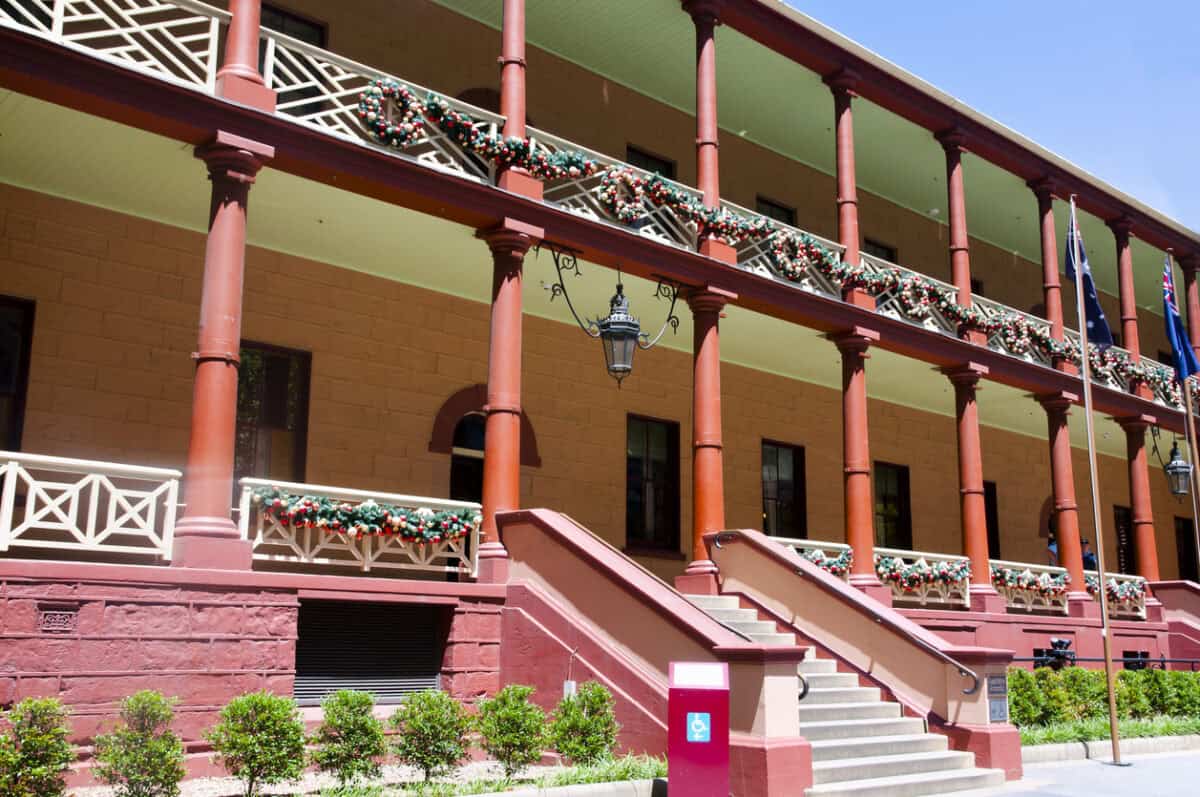
Currently, workplace politics in New South Wales are wrapped up in arguing about changes to the way workers’ compensation covers those with a psychological injury. The justification, as it was with similar issues in Victoria last year, is that the growth in workplace mental health claims apparently jeopardises the viability of the workers’ compensation scheme. These arguments exclude the long-term occupational health and safety (OHS) solution to the problem, and it is not as if governments were unaware of this emerging financial challenge.
Category: Leadership

Stakeholder vs. Shareholder: The Capitalism Clash Shaping Safer Workplaces
Elements of Andrew Hopkins’ latest book have been spinning in my head for a couple of weeks as they echo my thoughts on occupational health and safety (OHS) over the last few years. I cannot shake his discussion of stakeholder capitalism and shareholder capitalism. These two elements of business management are crucial to our understanding of OHS and how we should proceed, particularly in relation to psychological health.
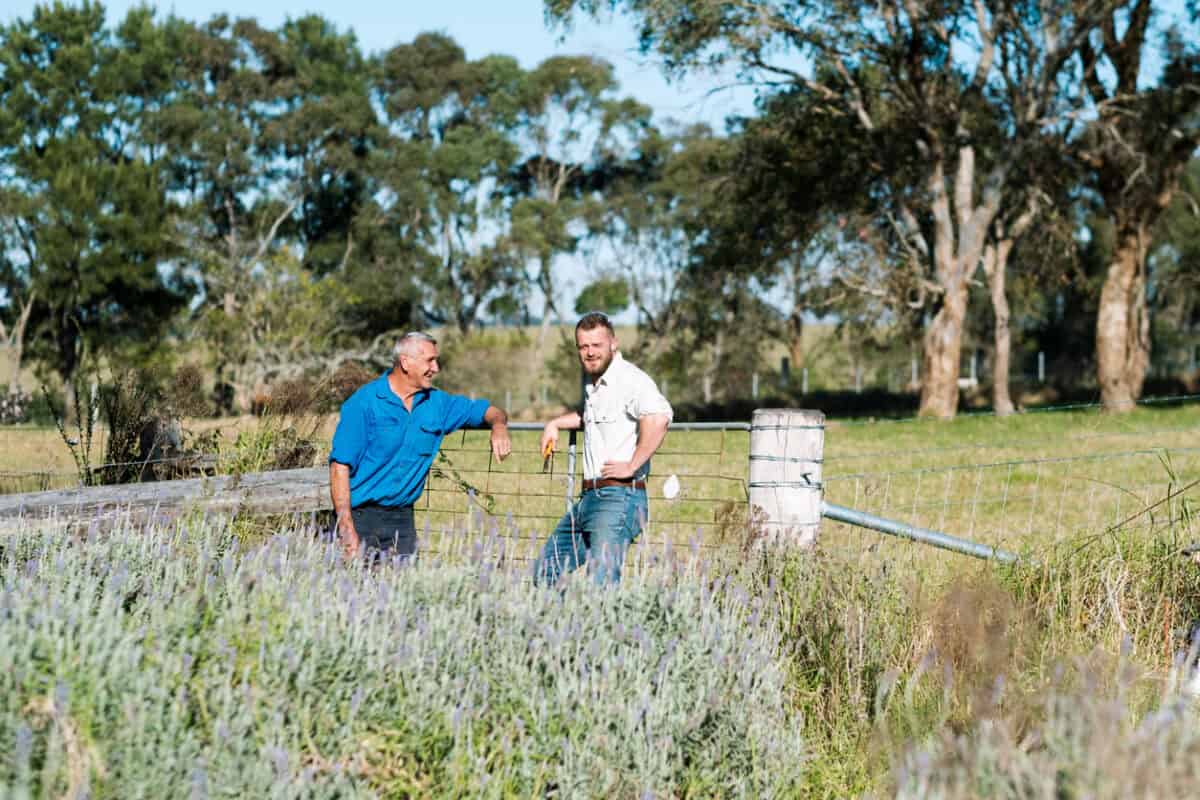
Outcomes of an agriculture OHS roundtable
New South Wales recently ran its annual roundtable for the agriculture sector, focusing on workplace health and safety. A joint media release from the Ministers for Agriculture and Work Health and Safety, Tara Moriarty and Sophie Cotsis, respectively, acknowledged that:
“Agriculture remains one of Australia’s most dangerous industries, with consistently high rates of workplace fatalities and serious injuries. In 2024, SafeWork NSW responded to 12 workplace fatalities in the agricultural industry in NSW.”
But what was the outcome of the roundtable?
Workplace safety, AI , and what the Victorian Premier said
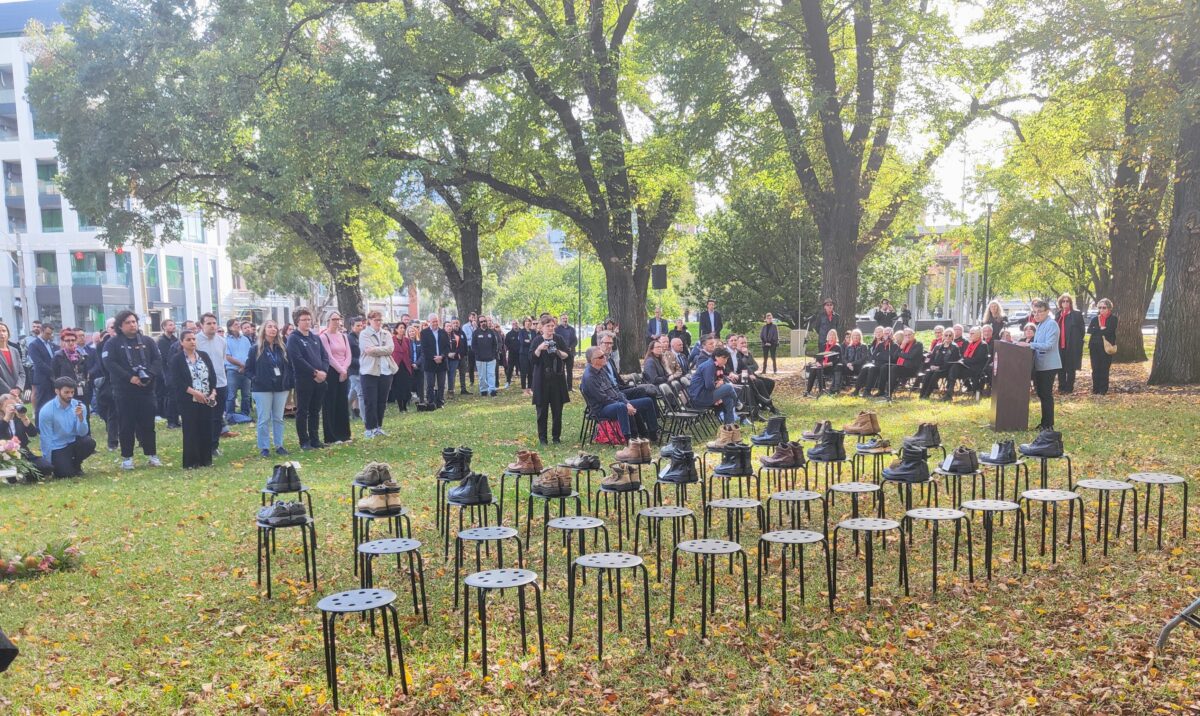
Last week’s International Workers’ Memorial Day in Melbourne is stuck in the back of my mind, niggling into my thoughts. I reread the article I wrote at the time and realised that it did not outline what was said by Victorian Trades Hall Council Secretary, Luke Hilakari or the Premier, Jacinta Allan. Below are my takeaways from Hilakari’s speech and a slightly edited transcript of the Premier’s speech.

What does the Labor Party landslide win mean for work health and safety?
This weekend, all the talk in Australia has been about the massive and unexpected electoral swing to the Australian Labor Party (ALP) in the federal election. Most pundits were expecting a majority government, at least, but now the ALP has a substantial majority in the House of Representatives. Possible constraints from a new Senate have yet to be identified.
But this blog is about occupational health and safety (OHS), so why start with an election summary? Industrial relations and, therefore, OHS were almost entirely absent from the election campaigns.

Acknowledgement of safety
Australia is in federal election mode so new political statements are emerging daily. Recently controversy has arisen about the inclusion of Welcome to Country at non-major events. Many organisations lead their meetings with an Acknowledgement of Country which acknowledges the historical ownership of Australia by its indigenous populations.
Recently while reflecting on the International Workers Memorial Day, occupational health and safety (OHS) professional, Tim Allred, has suggested that the role of an “acknowledgement” could add meaning in other circumstances, such as in relation to workplace fatalities.
Meaningful memorial that could have said much more
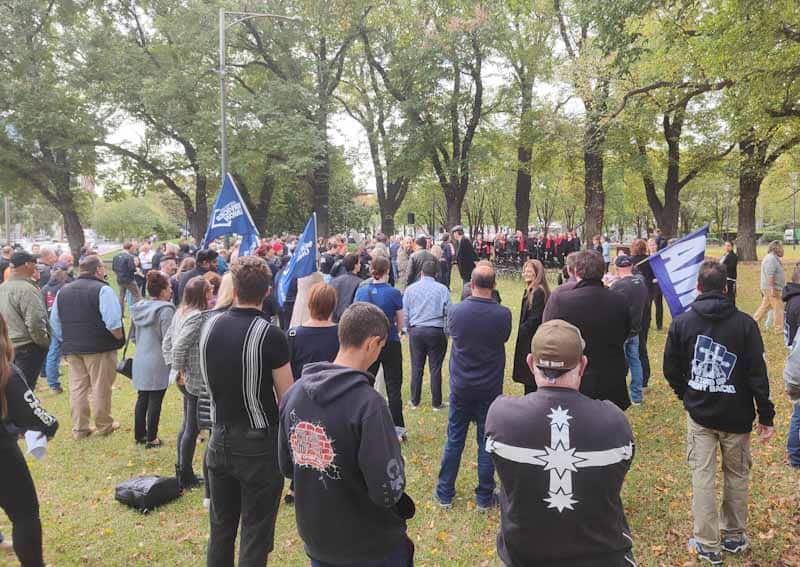
International Worker Memorial Day (IWMD) events are usually moving and solemn occasions. Today’s event in Melbourne, Victoria, was a good example, but something was missing, especially given the calibre of dignitaries who were present. (A list of most of them is below)
Victorian Trades Hall Council secretary Luke Hilakari was on message as the first formal speaker. He was the only speaker who addressed the IWMD theme – The role of AI and digitalisation at work. He was followed by Premier Jacinta Allan, Melbourne Lord Mayor, Nick Reece, Acting CEO of WorkSafe Victoria, and Ash West. The Premier’s attendance was notable as I cannot remember the last time a Premier attended or spoke at this type of event.