
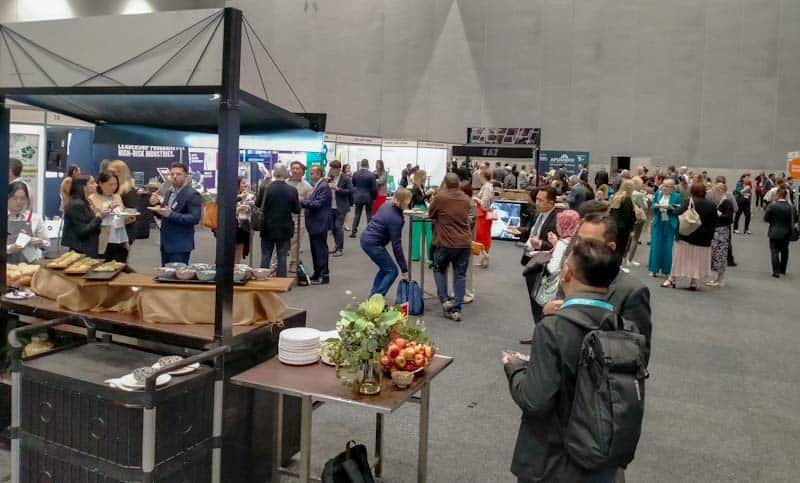
At last week’s Asia Pacific Occupational Safety and Health Organisation conference, I bumped into Jen Jackson, a young creative thinker on occupational health and safety (OHS) and the author of “How to Speak Human”. We had a quick chat about OHS leadership and gender issues. Below is an edited transcript with a link to the raw audio.
Category: Leadership
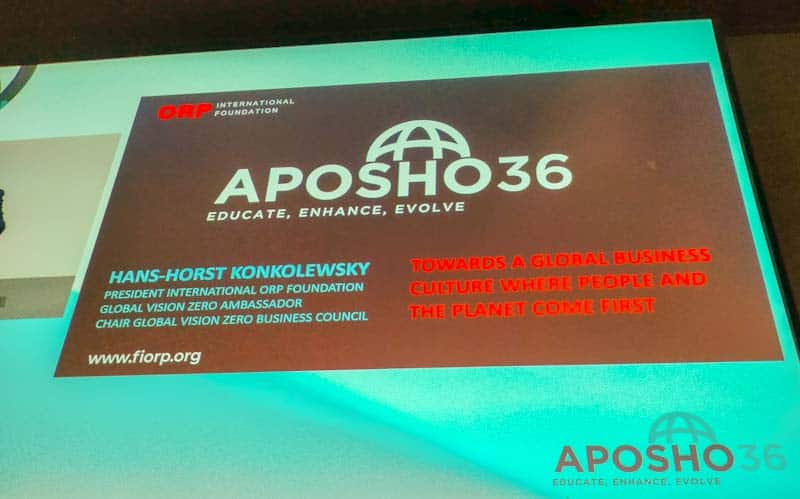
Some good presenters, some great, but OHS conferences need more work
What was missing most from the recent conference of the Asia Pacific Occupational Safety and Health Organisation was a strong Asia-Pacific voice. Certainly, there were presentations by Asian OHS professionals and some westerners working in Asia, but the keynote speakers were almost from Anglo-European cultures. This made it hard to understand if the conference was designed for Asian safety and health professionals to learn from us or for Australians to learn from them. Perhaps it was just for all of us to learn as a profession.
Some of the keynote speakers offered universal suggestions for improving the management of workplace health and safety, but perhaps these were so universal as to be generic or safe. For instance, one of the greatest challenges for the Asian region, in particular, is ensuring the safety of migrant workers. There was one mention of the deaths of the World Cup construction workers, and that was in passing.
Below is a summary of the conference and some of the occupational health and safety issues (OHS) raised.
Dan Andrews and “safe jobs” and People versus Profit
“Jobs” is a term regularly used in election campaigns as creating jobs can provide wealth directly to those working and less directly to their employers. But rarely are “safe jobs” mentioned. The Victorian Premier Daniel Andrews mentioned “safe jobs” in his campaign speech for the election later this month. Perhaps more interesting is his pledge to put people before profit.
Andrews was speaking of his success in creating 600,000 jobs since he came to power eight years ago. He said:
“…..when we came to government, we promised we’d get Victoria back to work. Since then, we’ve created nearly 600,000 jobs. More than 300,000 since September 2020. But it’s not just jobs. We want them to be good, secure, safe jobs. It’s why we introduced Australia’s first-ever wage theft laws. And it’s why we made workplace manslaughter exactly what it is: a crime. But when it comes to making Victoria stronger, safer and fairer, our work is far from over.”

Past findings may offer strategies for the future
Further to the recent article about the 2004 Maxwell Report, it is useful to note the recommendations peppered throughout the report, as collated by K Lee Adams. Although aimed at the Victorian Workcover Authority and WorkSafe Victoria, these are interesting ideas that could be asked of any occupational health and safety (OHS) authority currently. Some have already been addressed; others were posed 18 years ago and have not progressed. The recommendations have been numbered for easier reference.
Governments could improve their OHS performance if they wanted
In 2019, the head of SafeWork South Australia, Martyn Campbell, told this blog that he agreed that government departments should be exemplars in occupational health and safety and that “we should be the pinnacle of safety professionalism and leadership”. It should not be a surprise to hear the head of an OHS regulatory agency claim this, but the origin of the question to Campbell stemmed from a review of Victoria’s OHS Act by Chris Maxwell QC in 2004.
Given the recent OHS-related scandals in various jurisdictions, which have often been related to the management of the coronavirus pandemic, it is worth reminding ourselves of the OHS performance standards that Maxwell advocated for all government departments and agencies.
When exemplars are far from
Extensive multinational auditing and consulting firms have been hammered for the last few years over the potential conflict of both auditing and advising the same companies and a toxic workplace culture. Most companies will not be able to afford these consultants’ prices, but the conduct of the large companies, the “corporate leaders”, affects every business by setting the standards. The influence of these large companies over public (and work health and safety) policy should also be noted and is being reviewed by some governments.
Sacking may eliminate a hazard but allow toxic work cultures to persist
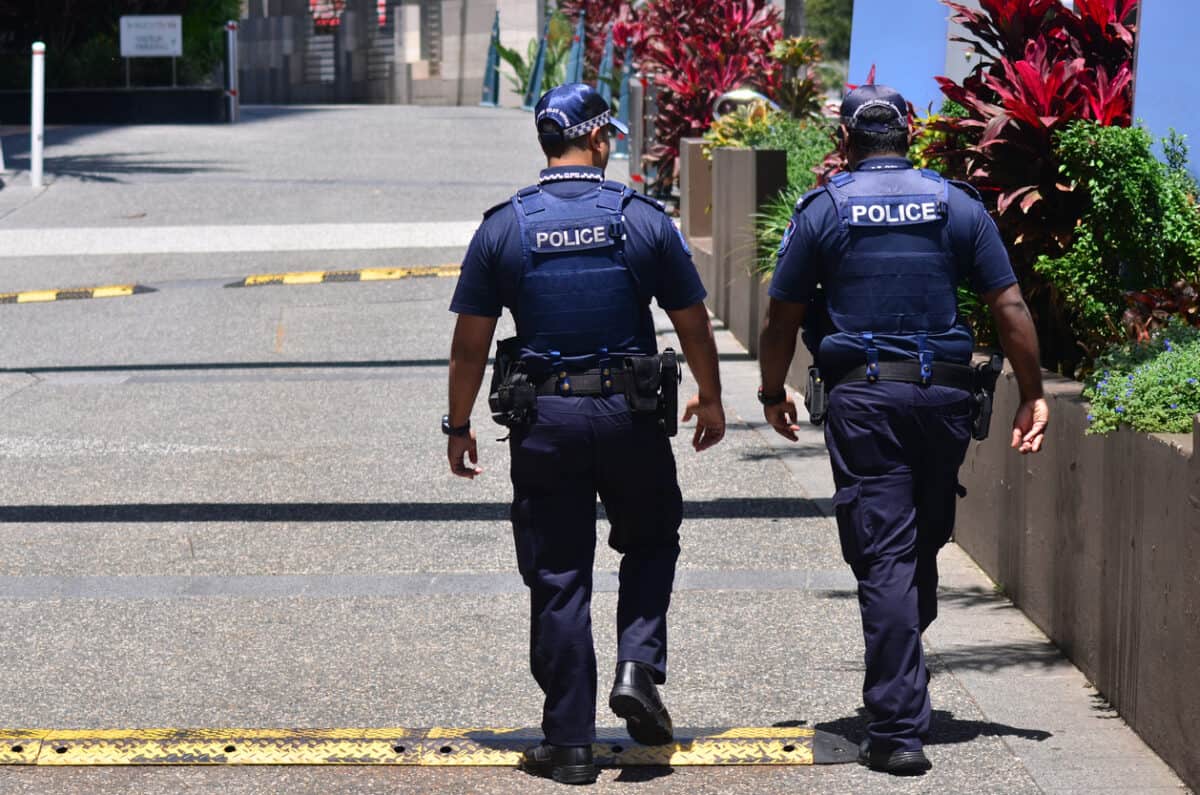
A Queensland inquiry into how Police respond to and handle domestic violence incidents has gained an occupational health and safety (OHS) context. According to The Guardian newspaper (paywalled).
“Employment law experts say the weak police discipline system and the ongoing employment of problematic officers have created “clear breaches of duty” under workplace health and safety laws, which require organisations to provide a safe environment for employees.”
Perhaps the article is more telling in the assumption that offending Police are unredeemable, with the only option being to sack them. OHS duties are meant to be supportive, but they also advocate that workplace hazards should be eliminated, as this is the most effective risk control measure.