

In November last year, Pipecon was found guilty of breaching its occupational health and safety (OHS) duties concerning the deaths of two of the company’s workers in and from a trench collapse. An offence to which the company pleaded guilty. (Details of the incident and prosecution can be found HERE – search for Pipecon). The Ballarat Council has awarded the company a road construction project valued at over $2 million. Should the Council have done so? How does this decision affect the deterrence message that OHS prosecutions are supposed to generate? What does this say about the criteria used in procuring services?
Category: Leadership
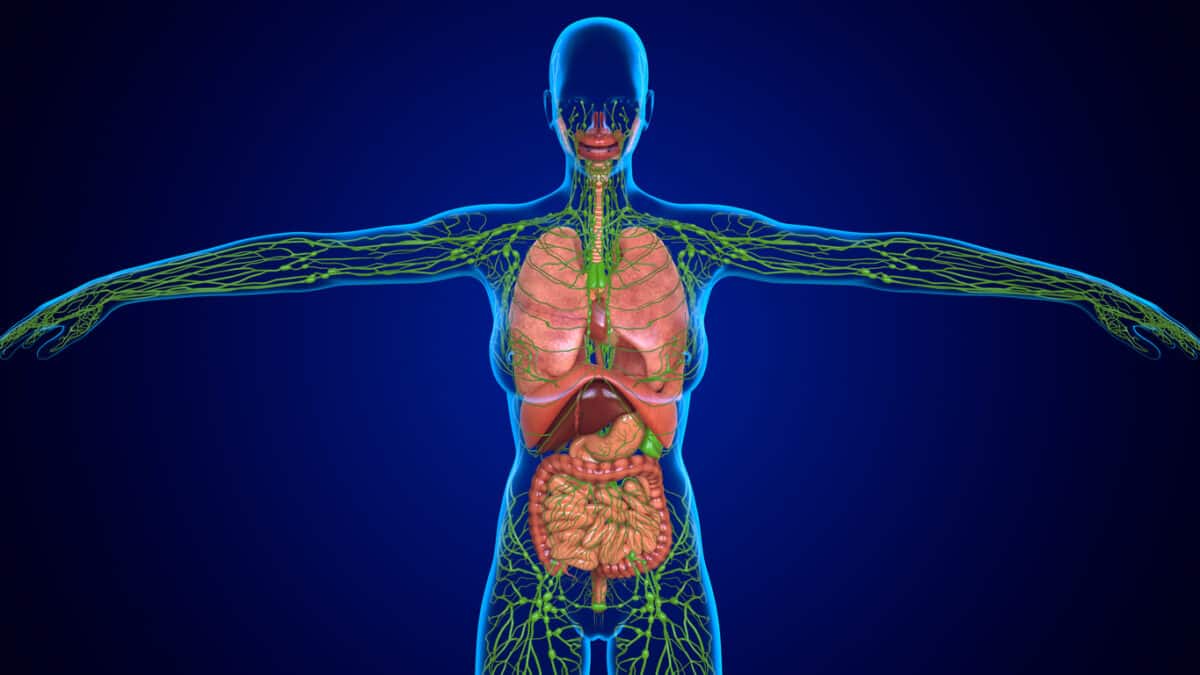
Lymph v Blood – OHS at the Jobs & Skills Summit
If Industrial Relations is the lifeblood of the economy and the nation, then Occupational Health and Safety (OHS) is the lymphatic system, a less well-known supplementary system without which blood circulation fails and the body stops working.
Australia’s Job and Skills Summit that has just concluded focused on the blood. Media analysis offered mixed interpretations. The event was politically stage-managed with many agenda items pre-prepared for the Summit to confirm, but it was not a worthless gabfest, as some (who chose not to attend) have asserted. On the matter of occupational health and safety, there was one new initiative but most of the OHS change, if any, is now more likely to come through the (wellbeing) budget in October.

OHS is a journey but does it have to be so long?
Commitments to occupational health and safety (OHS) not only appear in Parliamentary debates on workplace safety. Last week, Labor Party politician Will Fowles reiterated the Victorian government’s OHS commitment in a speech about justice amendments and the police.
“This justice legislation amendment bill also establishes a legislative framework for the restorative engagement and redress scheme to support current and former Victoria Police [VicPol] employees who have experienced past workplace sex discrimination or sexual harassment.
Evidence provided for structural change in construction safety management
In July 2022, RMIT University release a three-part series on physical and mental health in Australia’s construction industry consisting of Evidence, Exploration and Evaluation. By themselves, they make a strong case for structural reform of the construction sector to improve workers’ mental and physical health.

To achieve OHS progress, we need to understand Deterrence, and its failures
Deterrence has always been a major aim of enforcing occupational health and safety (OHS) laws and prosecuting wrongdoers. But the legal system and medical coverage have become so convoluted that the deterrent potential has declined.

Action on Health and Safety is always a choice
Last week epidemiologist Hassan Vally wrote one article in The Age called either “Health or economy a false choice” or “COVID caution can be a win for both public health and business” (paywalled), depending on the sub-editor and format. Curiously one has a negative implication, the other, the opposite. Either way, the article illustrates the public health dichotomy that mirrors that of occupational health and safety (OHS).
OHS often requires a decision between profit or production and safety. Public Health deciders need to consider the interests of the public and the duties of government. I prefer the former headline because it states that this decision is a “choice”. Safety, occupational or public, is always a choice.

Possible Treasury and Industrial Relations white papers before the Job Summit and October Budget
So what level and type of well-being budget did Dr Jim Chalmers commit his government to? A lot less than we anticipated last week. Dr Chalmers gave a nod to the work of his New Zealand counterpart but seems to be waiting for further discussion in the “jobs summit” in September 2022.
Michelle Grattan has written that:
“A coming test for consensus will be the September jobs summit. This will be an ideas-gathering exercise, but the government will also want to shape it as a prelude to the October budget, and that will require some common messages.”
Regardless of Dr Chalmers’ intention to develop a well-being budget, the jobs summit will have the same tripartite of industrial relations and occupational health and safety (OHS) invitees. Unless Dr Chalmers and Treasury offer up something fresh, like an OHS perspective on the prevention of mental health, innovation is unlikely. Little more than “in-principle” agreements should be anticipated.