
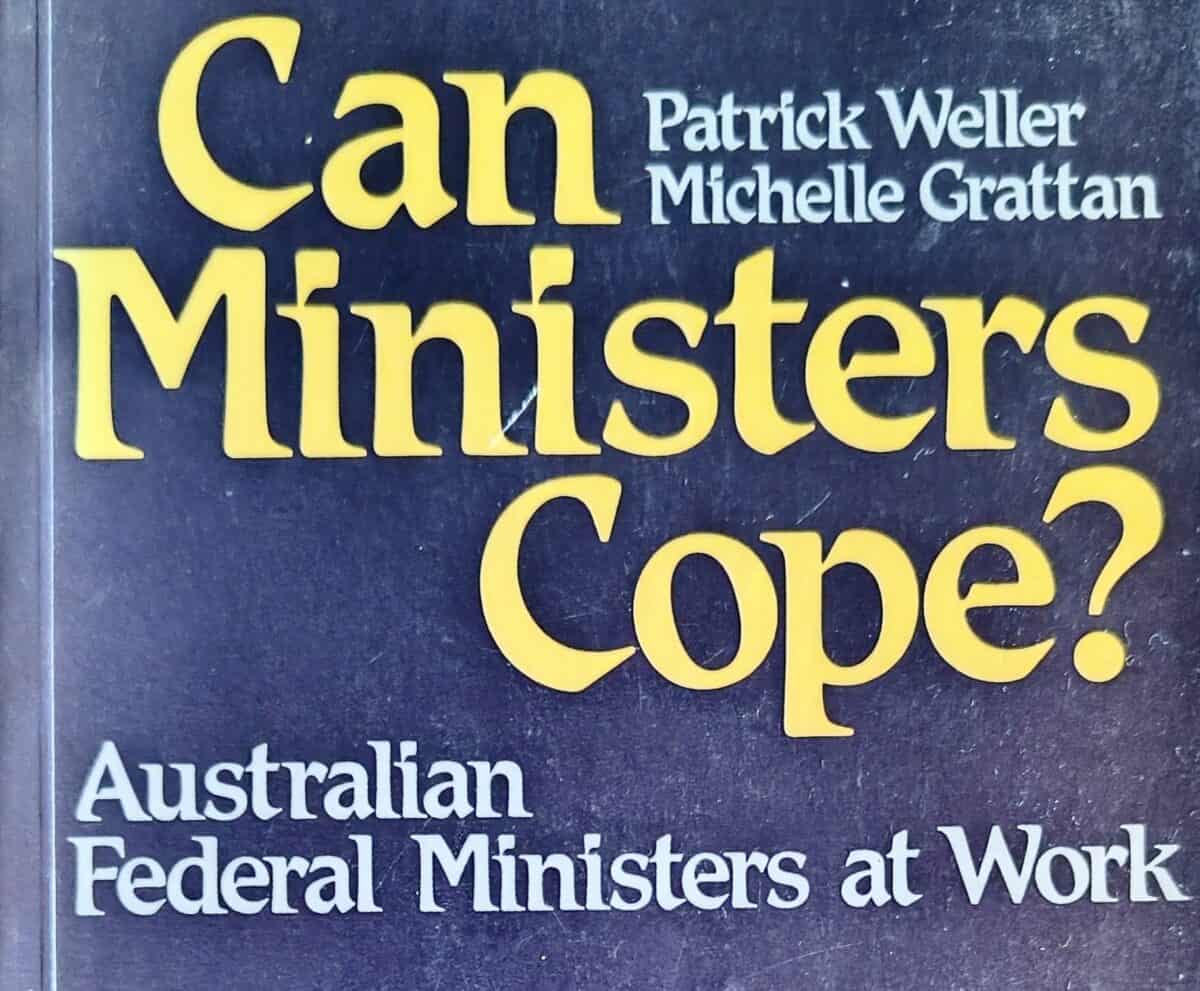
Recently, parliamentary workplaces in the United Kingdom and Australia have had scandals about inappropriate behaviour – COVID-era parties and sexual harassment and assault, respectively. Official inquiries have repeatedly identified that Ministers and parliamentarians are overwhelmed with paperwork and expectations of being contactable 24/7. These do not excuse poor, unsuitable or criminal behaviour, but they are part of poor work design and contribute to poor psychological health and can be improved. But overwork in parliament is not a new phenomenon.
Category: accountability

OHS Law Was Meant to Empower, Not Excuse
Australian occupational health and safety (OHS) laws require employers to be compliant with their OHS duties, but also allow the flexibility for employers to determine their own level of compliance. This has complicated OHS because employers can never be sure that they are in compliance. Compliance and non-compliance are usually determined accurately through the courts after legal action by the OHS regulatory agency and after a workplace incident. This uncertainty is compounded for small business owners who just want to be told what to do to be compliant.
Perhaps the most challenged industry sector is farming, which cannot avoid the uncertainty that the OHS laws provide. This uncertainty is one that highly-resourced employers are proud to claim as a well-fought-for benefit, namely, flexibility, but it is more of a problem for isolated rural workplaces and small businesses.
Employer Responsibility in Workplace Safety is Being Overlooked
In the ongoing debates about workplace safety, a critical question is often left unasked: What are employers doing to ensure safe and healthy work environments, and why are their responsibilities so frequently underplayed in public discourse? Too often, when workplace safety issues arise, the conversation quickly shifts to affordability and government intervention.
Continue reading “Employer Responsibility in Workplace Safety is Being Overlooked”
Is Defence Above Safety Scrutiny? Lambie Wants to Know
Senator Jacquie Lambie has been a staunch advocate for improving the occupational health and safety (OHS) of Australia’s defence force personnel. In 2022, she gave a confronting presentation to the Royal Commission into Defence and Veteran Suicide, and she continued her advocacy on day 1 of the 48th session of the Australian parliament by asking reasonable questions that could also be posed in non-military industries.
Is the humanity of work visible or invisible?
Danielle Griffiths is a health and wellbeing manager who will appear at this week’s Psych Health and Safety conference in Sydney. In response to my question below, Griffiths offered her personal opinion.
“There seems to be a strengthening demand for a new socioeconomic approach that respects the humanity of workers. How did we lose the focus on our humanity? What is stopping us from redesigning work to be more respectful?”

Stakeholder vs. Shareholder: The Capitalism Clash Shaping Safer Workplaces
Elements of Andrew Hopkins’ latest book have been spinning in my head for a couple of weeks as they echo my thoughts on occupational health and safety (OHS) over the last few years. I cannot shake his discussion of stakeholder capitalism and shareholder capitalism. These two elements of business management are crucial to our understanding of OHS and how we should proceed, particularly in relation to psychological health.

6 Essential OHS Questions for Employers
Occupational health and safety (OHS) laws establish duties on employers (and employees) to provide safe and healthy workplaces. These duties reflect the social morals of the time, but the morality of employers is rarely challenged.
Below is a selection of OHS-related questions that all employers should be asked and able to answer. How would you or your employer respond?