

Discussion about workplace psychosocial hazards seems to be everywhere. This is a good thing, as everyone needs a better understanding of the risks workers face and what prevention mechanisms are expected from employers and business owners. But that discussion needs to be measured and accurate. A recent article written about this issue for accountants is slightly inaccurate about occupational health and safety (OHS).
Category: media
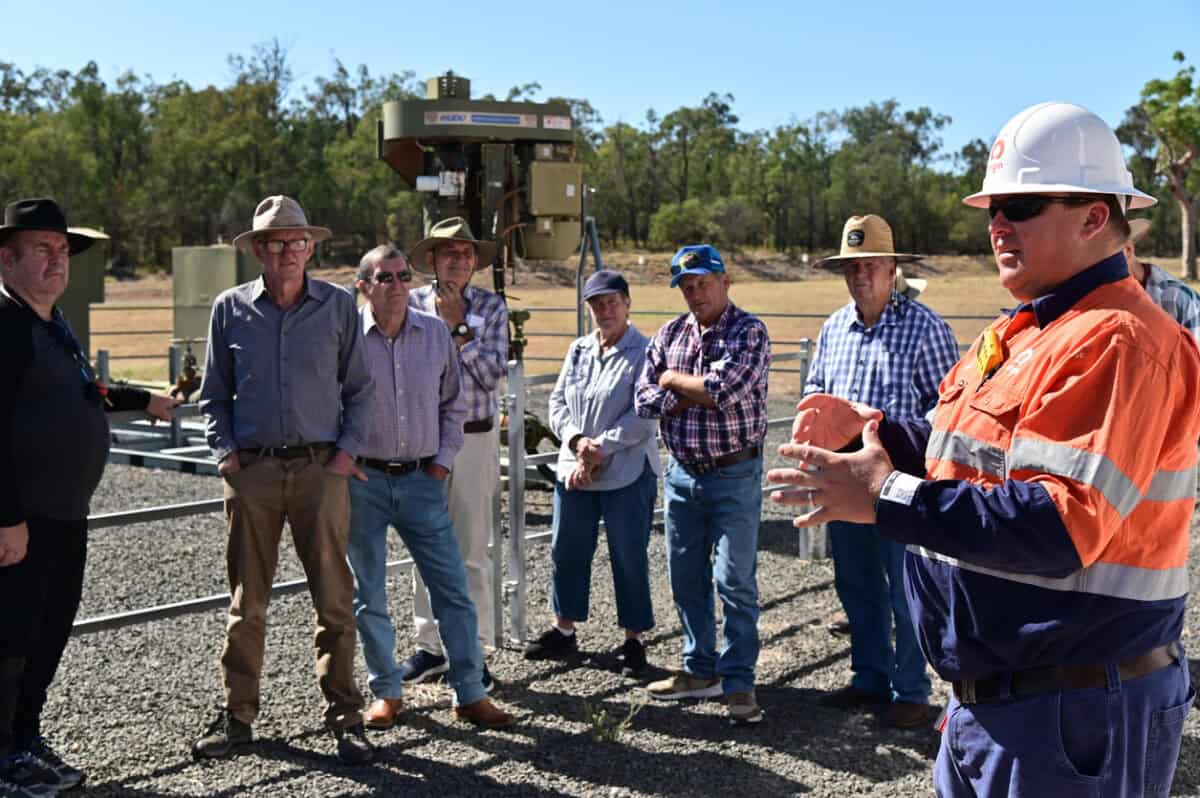
Who Gets to Be Called a Leader
Lisa Leong has followed up her This Working Life podcast with a more detailed look at the practicalities of addressing work-related psychosocial hazards with Dr Laura Kirby. It is worth listening to, but there is a term repeated in the podcast that needs examining – “leader”.

HR Talks Wellness. OHS Prevents Harm. Time to Bridge the Gap.
A recent ABC podcast progressed the discussion of psychosocial hazards at work with important contributions from Amy Edmondson and Dr Rachael Potter. The debate highlights the persistent divide between occupational health and safety (OHS) and Human Resources (HR) regarding these insidious workplace hazards, underscoring the need to bridge this gap.

Workplace Bullshittery: Laugh, Cringe, Revolt
A new Australian book could revolutionise workplace cultures and improve consultation on a range of matters, not just occupational health and safety (OHS). “Wankernomics – A Deep-Dive Into Workplace Bullshittery” should be read by every worker, especially those in offices and administrative roles.
Having worked as a safety adviser on a construction site, this book confirms how the workers saw my role. I’d like to say that you finish this book with revelations of the future, but workplace bullshittery is so pervasive and ingrained, the future is bleak.

When Work Kills: Unmasking Suicidality in Corporate Australia
For over twenty years, John Bottomley has been researching the influence of work factors in suicide. His early research is rarely referenced, and although only a small sample was studied, his findings were significant. New research, published recently in the Journal of Industrial Relations, adds an essential perspective as Australia continues to progress (painfully slowly) on the prevention of workplace psychosocial hazards.
Note: this article discusses work-related suicide
Assessing ‘Union’: A Missed Opportunity in Safety Storytelling
There was a row of cheering trade union supporters in the late session of the documentary “Union” at Carlton’s Cinema Nova earlier this week. The film was showing as part of a documentary festival, and the cinema was less than half-full. The film showed an example of grass-roots union organising. There were optimism and failures, and the occupational health and safety (OHS) catalysts for the unionism were mentioned in passing.
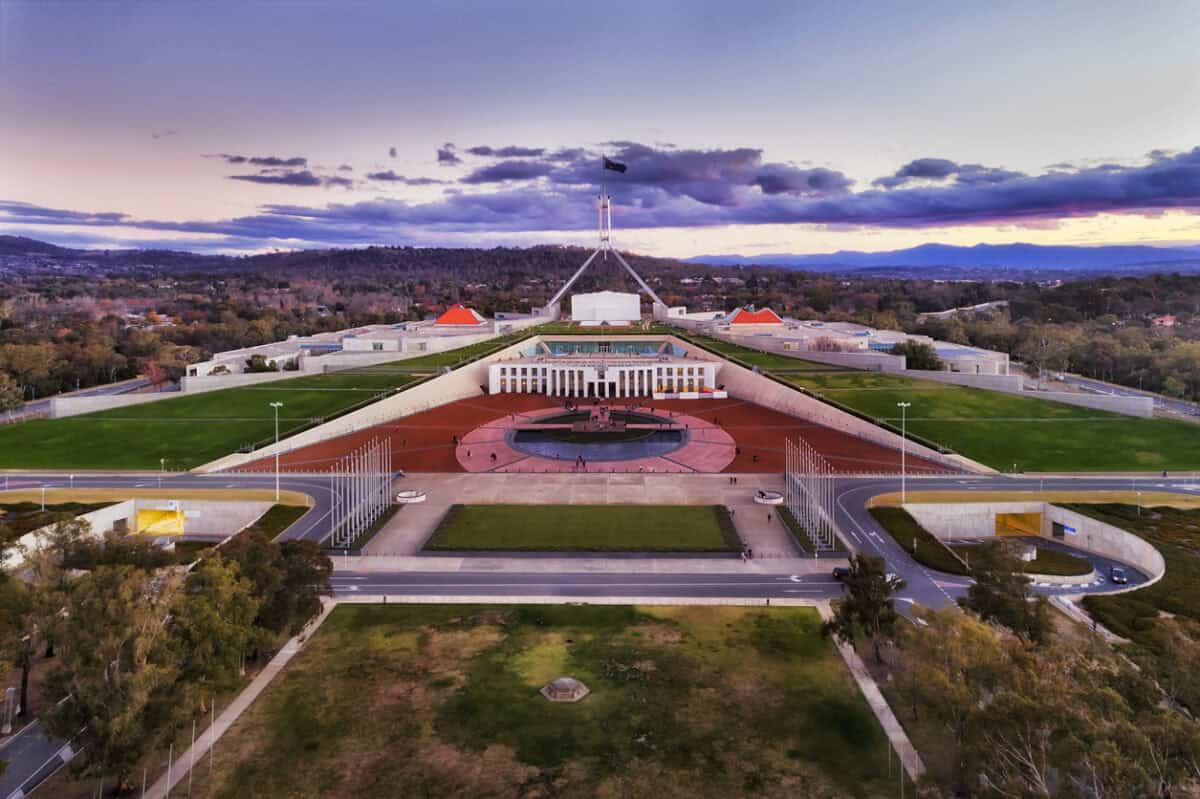
Avoiding Burnout in the Corridors of Power
Last week, some of the Nine newspapers reported on a spate of departures (paywalled) from the Australian Prime Minister’s office. There is always a constant churn of political staffers, with regular movement between private enterprise and public service.
There are some sound economic reasons for leaving just after 12 months into a new government, and the departures are not indicative of a toxic workplace, but working hours in the Australian Parliamentary and political sector have been contentious recently. This latest newspaper article notes the role of working hours but, curiously, primarily in passing.