The guidance on workplace psychological health and safety forecast by Safe Work Australia’s Peta Miller was released on June 14 2018. There is potential for this guidance to change how mental health is managed and, most importantly, prevented in Australian workplaces.
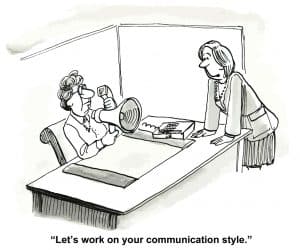 It is important to note that “Work-related psychological health and safety – a systematic approach to meeting your duties” has been developed with the involvement and approval of all of Australia’s occupational health and safety (OHS) or work health and safety (WHS) regulatory bodies. Workplace mental health promoters and resilience peddlers are unlikely to find much support in this document as the prevention of harm is the benchmark.
The guidance is also intended to operate in support
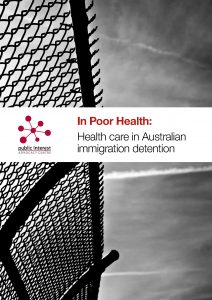
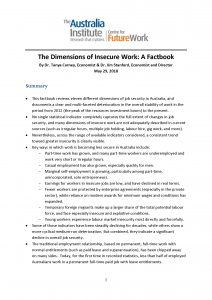
 Data about occupational health and safety (OHS) and work-related psychosocial injuries has often been described as being hard to find. In some ways it is not necessarily hard to find but difficult to access. An untapped source of data is the records of illness and leave taken that is usually held by the Human Resources (HR) departments, often named “People and Culture”or some variant. This type of data could be invaluable in determining a workplace psychological profile, if the HR departments would trust OHS professionals more, or release this data in a format that would allow OHS professionals to assess risks while maintaining employees’ privacy.
 The Australia Institute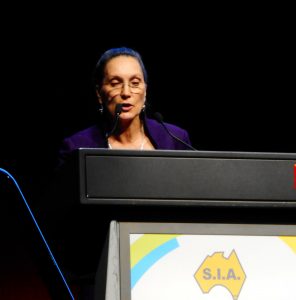
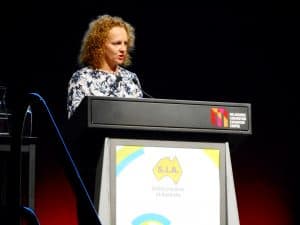 Throwing chocolates to delegates, audience participation, push-ups, book giveaways, hand-eye coordination exercises – not the usual elements of the opening keynote speaker of a safety conference. Day 2 of the Safety Institute of Australia’s