
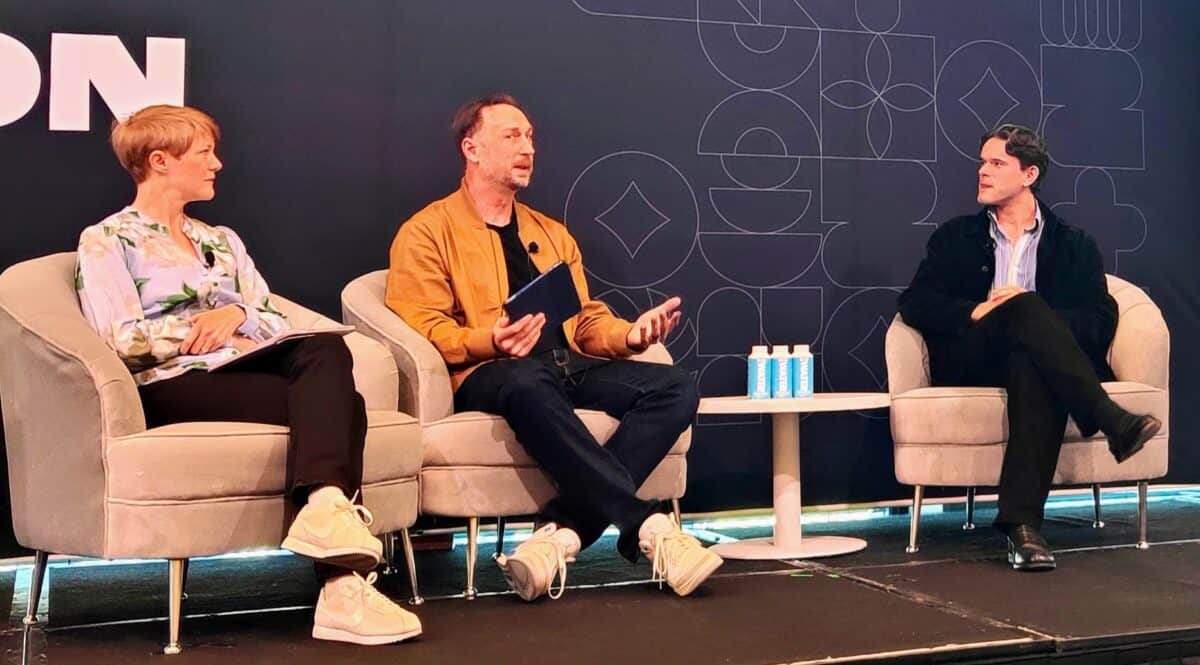
Day Two of PHSCon was likely to be uncomfortable. Day One covered context, community and curiosity. Day Two asked a more difficult question. Now that employers know more about psychosocial hazards, are they prepared to change how work is designed, managed and measured? The broad answer from the speakers and case studies was “not really”. Genuinely managing psychosocial hazards and psychological safety is not a wellbeing campaign, a mindfulness app, a webinar series or another glossy page on the intranet. It is occupational health and safety (OHS), and it requires the same attention to hazards, controls, governance, and review that employers claim to routinely apply to physical risks.
Category: mental-health
Rediscovering the “Radical” Power of Ordinary Conversation
Day one of PHSCon felt less like the unveiling of a new paradigm and more like a reminder that the fundamentals of good work have been obvious for a long time. The opening session positioned the conference as part of a broader push to move beyond bare compliance and towards more humane, evidence‑based ways of organising work. Conference chair and author Dr Kat Page set the tone by describing how her book Good Work emerged from watching COVID‑era decisions about job design, workload and leadership either amplify or buffer psychological harm. She framed both the book and the conference as an attempt to offer collective agency and hope, a space where practitioners, leaders and academics could connect stories, research and practice in ways that make better work design feel possible rather than theoretical. Conference delegates received a free copy of the book.
WorkSafe Victoria’s Evolving Regulatory Message on Mental Health
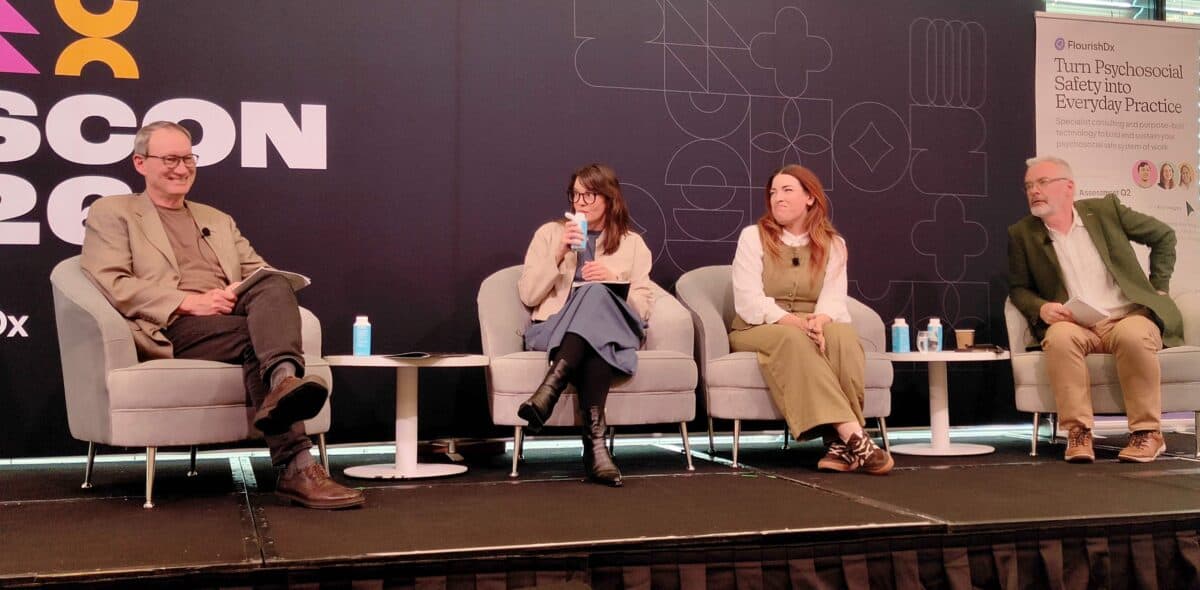
Across her 2024 and 2026 appearances at the Psych Health and Safety Conference, WorkSafe Victoria’s Amy Salmon’s message about psychosocial regulation in Victoria has shifted from explaining that psychosocial and psychological obligations exist to showing how compliance works in real life. The shift is subtle but important. In 2024, she was still fighting the battle of psychosocial legitimacy, pushing back against employers waiting for “the regs,” while by 2026 she was focused on operational detail, inspector capability and what reasonable compliance looks like in real workplaces.
Why Context Matters More Than Ever in Psychosocial Risk Management
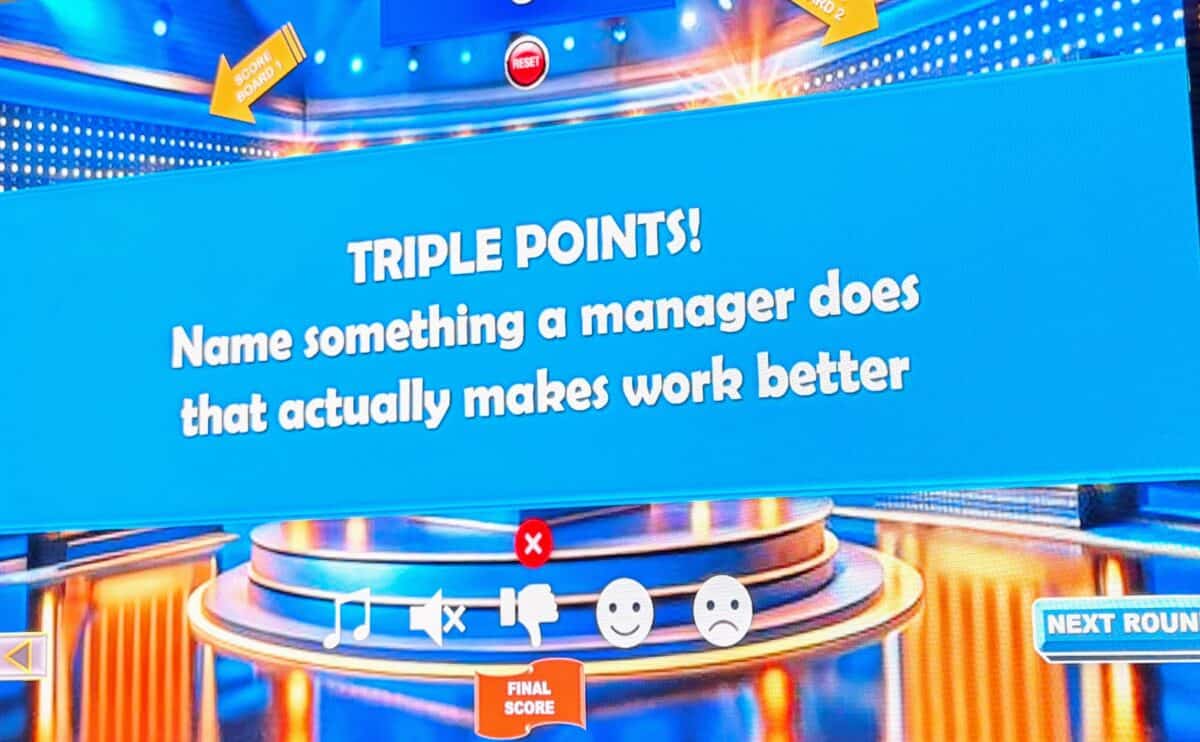
Day 1 of FlourishDx’s Psych Health and Safety conference ended this year with a flourish, featuring a Family Feud-style contest between Occupational Health and Safety (OHS) and Human Resources (HR). It was a raucous conclusion to a day of mixed safety messages.

The EU’s New Psychosocial Proposal Puts Australia on Notice
Australia often positions itself as a leader on psychosocial hazards and occupational health and safety (OHS). A new proposal from the European Parliament (EP) provides a contrast.
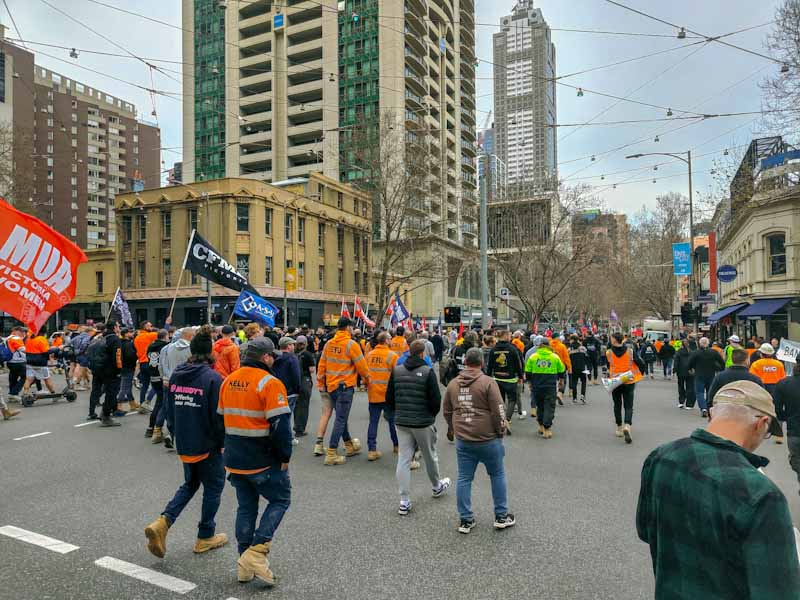
Trade unions, OHS and the hard question of representation
Trade unions have always had a substantial role in Australian occupational health and safety (OHS), particularly in the construction industry. That role should not be dismissed, minimised or romanticised. The history of union involvement in workplace safety is one of pressure, persistence and, at times, confrontation. But the more difficult question is whether trade unions should automatically control worker representation on health and safety matters. The answer is not as simple as many union advocates would like.

What’s it like living and working on a Pacific Island?
For the last 5 months I have been living and working on Norfolk Island, an external territory of Australia, three hours by plan off the east coast of Australia. I am on a 6-month contract which concludes in just over a week.
I have written regularly over the psychological impacts of Fly-in, Fly-Out (FIFO) workers and looked at this contract as an extreme example of working away from home and being isolated from friends and family. So how do I think I have coped?