
There are two common approaches to addressing and preventing psychosocial hazards at work. One is to consider these hazards as originating within and affecting only workers and work processes. This looks at the hazards generated by work that affect work and downplays or dismisses factors from outside work. The other is to acknowledge that work is part of life, that socioeconomic factors affect workers’ mental health, and that job stresses similarly affect workers’ social lives. In both instances, the use of “worker” includes all levels of a management structure. Both approaches need evaluation for effectiveness.
Category: mental-health
The first psychosocial hazards book
It has taken some time for an Australian to produce an affordable book on managing psychosocial hazards in the workplace. I have reservations about The Science of Happy Employees, self-published by Dr Brenda Jamnik. It is not the book I would write if I ever got off my arse to write one, but it seems to be the first that acknowledges the occupational health and safety (OHS) context of psychosocial hazards.

Digitalisation, Artificial Intelligence, OHS and Work
What do Safe Work Australia (SWA) executives do outside National Safe Work Month? Several times each year, they appear before Senate committees. Recently, SWA’s CEO Marie Boland, Sinead McHugh, and Katherine Taylor spoke at a Senate Inquiry into the Digital Transformation of Workplaces.

Addressing Psychosocial Hazards at Work: New Incident Notification Reforms
On the afternoon of Friday, August 1, 2024, Safe Work Australia (SWA) announced important changes to the incident notification obligations in Australia’s Model Work Health and Safety laws. These changes are particularly relevant to the issues of psychological harm in workplaces and work-related suicides. I asked SWA for some clarifications on the changes and the promised guidance.
Below are the questions that I submitted to Safe Work Australia and CEO Marie Boland‘s responses.
Warning: this article discusses suicide
Psychological health and safety book seems dated
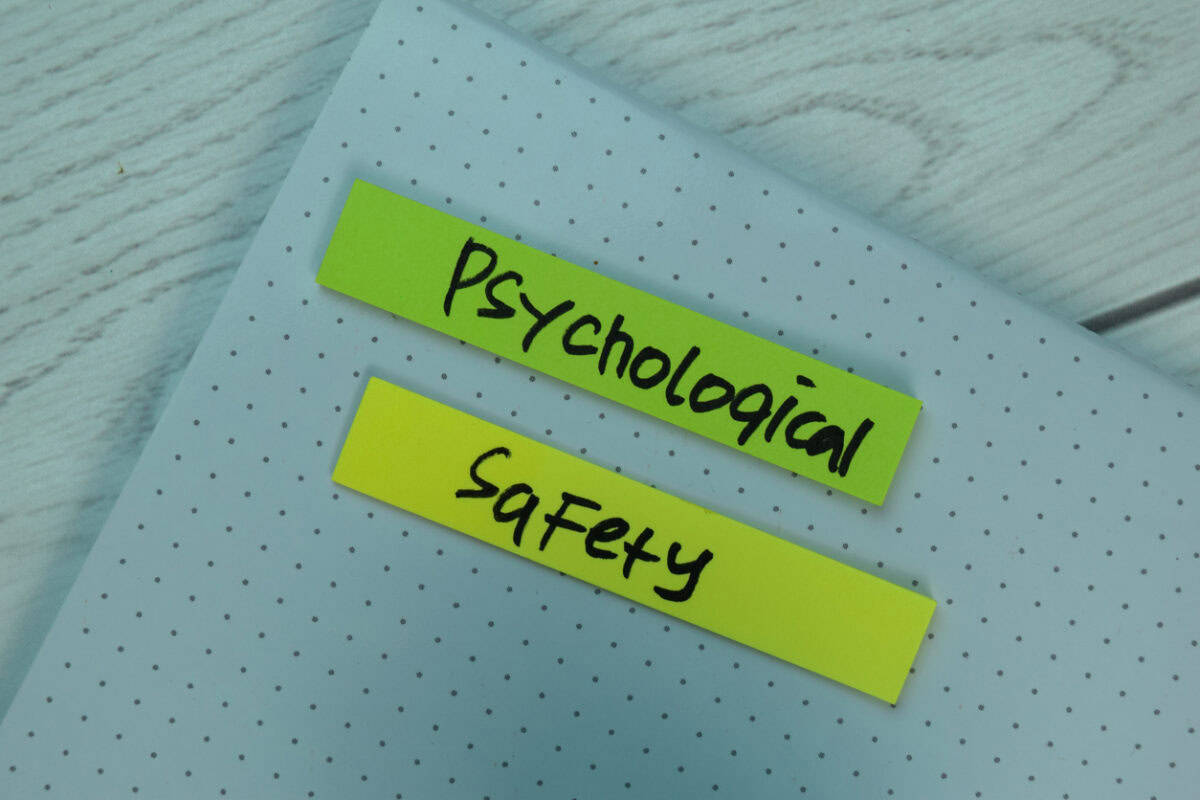
There is a new book about psychological safety for organisations. Many have been published over the last twenty years, but the climate, at least, in Australia has changed. Psychological safety is now part of a broader and more inclusive concept – Psychosocial Safety – but many psychologists have not yet caught up, or are in denial or are too embedded in their established services to be able to or willing to change.
Any new book on psychological safety in workplaces needs to be contemporary and reflect these changes. Gina Battye‘s “The Authentic Organisation—How to Create a Psychologically Safe Workplace” is not quite there.
Sick leave entitlements miss the OHS justification
Australia is currently in the Winter season of sniffles, colds, and influenza, which generates illness and workplace absences. In the northern hemisphere, excessive heat may be causing a similar level of workplace absences. A recent article from the Australian Broadcasting Corporation discussed workplace absences due to illness.
OHS questions to ponder
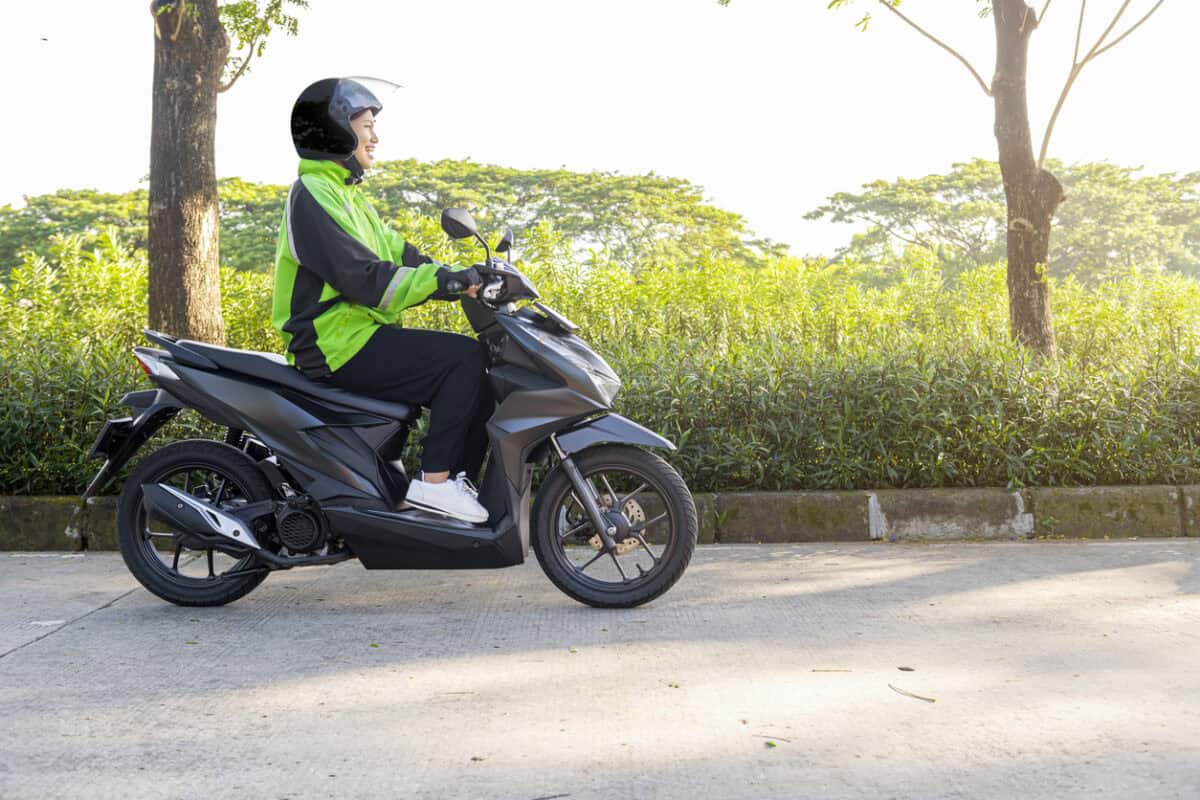
When wearing a motorcycle helmet and motorscooting to and from the office, I (too?) often think about occupational health and safety (OHS) while, of course, being situationally aware (mostly). It is not quite the same as an isolation tank that turned William Hurt into a caveman and a blob, but the quiet allows contemplation.
Below are some of the questions and thoughts from those sessions. Usually, these percolate for a few weeks into a blog article, but I would appreciate readers’ and subscribers’ thoughts. A prize or reward will be sent to the most engaging subscriber.