A sliver of hope on the farm safety horizon

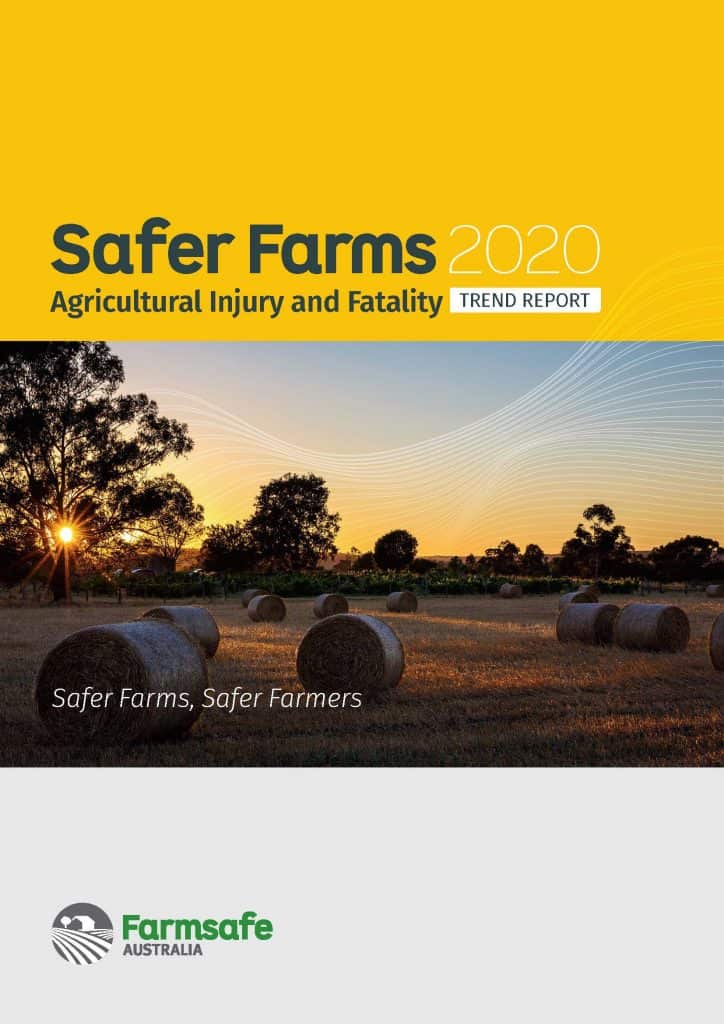
Australian farm safety received several boosts last week. FarmSafe Australia released new report on agricultural injury and fatality trends. The Victorian Government gave the Victorian Farmers Federation more money to fund farm safety inspectors, again. And the Agriculture Minister established a Farm Safety Council of the usual agricultural groups. It is hard not to take many of these farm safety activities as indications of insanity by doing the same thing but expecting different results.

Subscribe to SafetyAtWorkBlog to continue reading.
Subscribe Help
Already a member? Log in here

More data means a stronger case for change in workplace health and safety

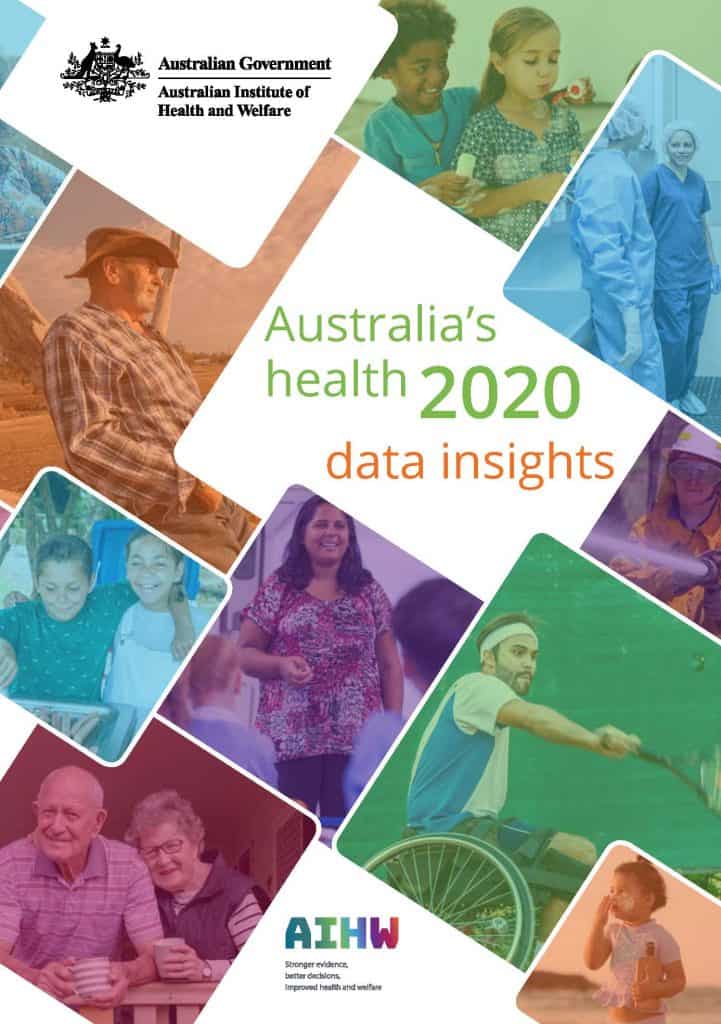
SafetyAtWorkBlog tries to include links to original data and reports wherever possible. Last week the Australian Institute of Health and Welfare (AIHW) released its 2020 data insights report. There is a lot in it, and some relates to workplace risks. Perhaps the most useful section is the chapter of Social Determinants of Health (SDH). For those readers for whom this is a new concept, this chapter is obligatory reading.

SDH is crucial to understanding how occupational health and safety (OHS) risks fit with non-work, or social, activities, government policy decisions and economic pressures. The beauty of the AIHW take on SDH is that it based on Australian data.

Subscribe to SafetyAtWorkBlog to continue reading.
Subscribe Help
Already a member? Log in here

Building an honest state of knowledge about suicide

Bizarre dark painting

The apparent suicide of former Australian Football player, Shane Tuck, last week has again sparked discussion in the media and the community about suicide. The Victorian Coroner, John Cain, believes that how we talk about suicide needs a review. As workplace and work-related suicides also occur, the discussion is relevant to occupational health and safety (OHS).

Subscribe to SafetyAtWorkBlog to continue reading.
Subscribe Help
Already a member? Log in here

Important gig economy report unlikely to affect change

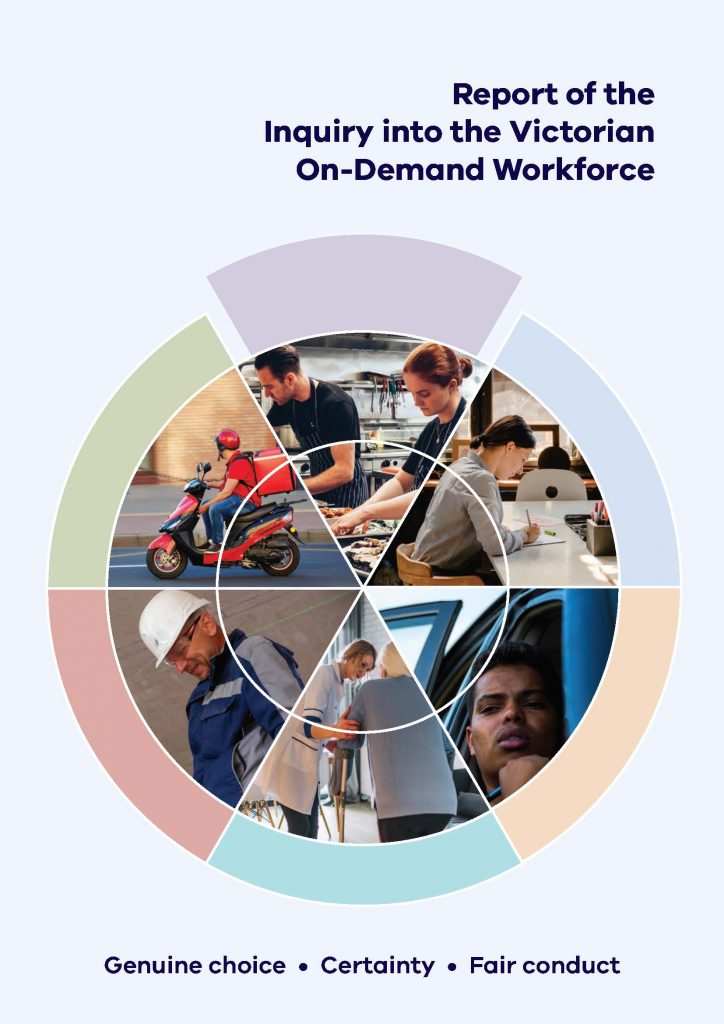
Then current coronavirus pandemic has disrupted workplaces around the world with those most effected being low socioeconomic sectors, including those working on a casual basis or in precarious, gig occupations. Last week the Victorian Government received the final report from its Inquiry into the Victorian On-Demand Workforce. This report is likely to be crucial in assisting the government to develop a safe and healthy strategy for the post-pandemic world of work.


Subscribe to SafetyAtWorkBlog to continue reading.
Subscribe Help
Already a member? Log in here

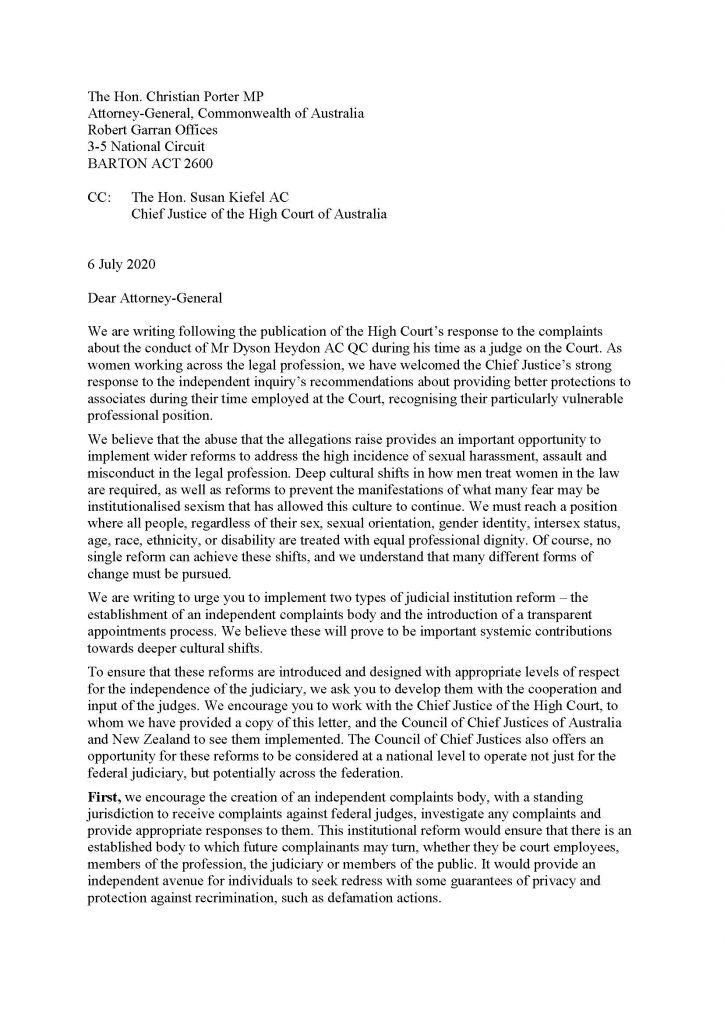
Call for change on sexual harassment could use support from OHS

Discussion on the sexual harassment allegations against former High Court judge Dyson Heydon continue even though some Australian States’ media have returned to COVID19 clusters and football. On July 6, 2020, five hundred women in the legal profession published an open letter calling for

“… wider reforms to address the high incidence of sexual harassment, assault and misconduct in the legal profession”

The signatories call for an independent complaints body for the Australian judiciary and changes to the appointment of judges. What is missing is Prevention.

Subscribe to SafetyAtWorkBlog to continue reading.
Subscribe Help
Already a member? Log in here

Lancing the boil of sexual harassment

The Australian Institute of Safety and Health’s online national conference offered some big topics this year. One of the most anticipated was the discussion of sexual harassment in the workplace. Luckily the panel discussion included big hitters such as Sex Discrimination Commissioner Kate Jenkins whose week was about to get a lot busier with the revelations of sexual harassment by Australia’s High Court Justice Dyson Heydon.

The Dyson Heydon sexual harassment accusations, which he emphatically denies, were revealed in an independent investigation for the High Court of Australia. The Justice Heydon case has generated copious media attention for many reasons including his prominence in a politically-charged Royal Commission into Trade Union Governance and Corruption. His sexual harassment offences are awful, but the most startling revelations are not necessarily about one man’s inappropriate actions. Here was an organisational, maybe even a professional, culture that permitted this behaviour to continue unchallenged for many many years. It is this context that, I believe, offers the most significant lessons for the occupational health and safety (OHS) profession and where OHS skills can help others.

Subscribe to SafetyAtWorkBlog to continue reading.
Subscribe Help
Already a member? Log in here

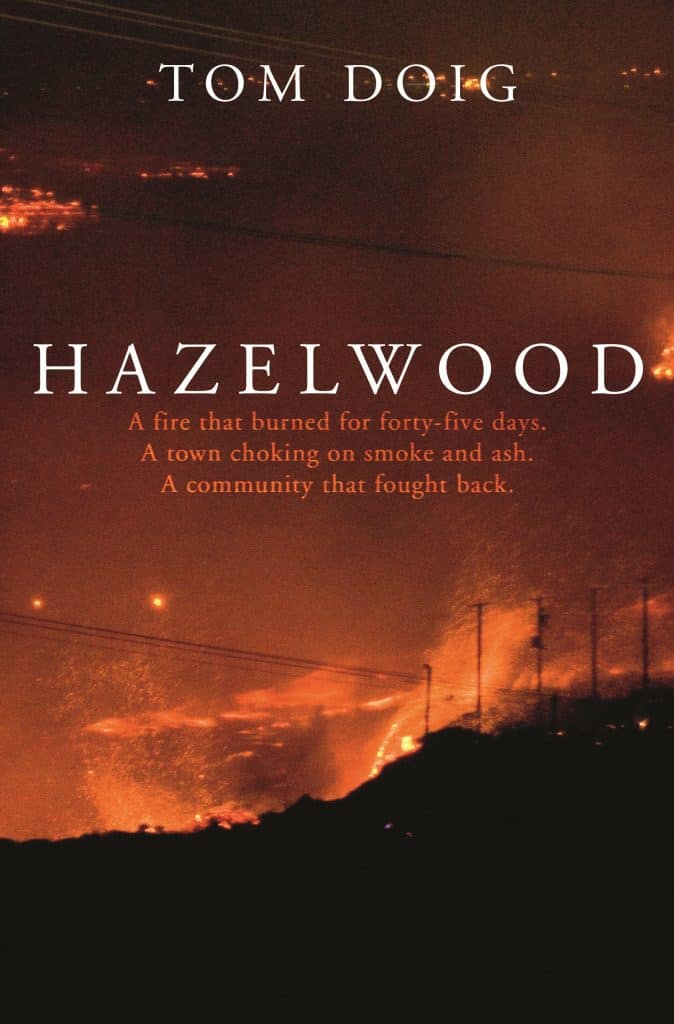
Exclusive Interview with Dr Tom Doig

SafetyAtWorkBlog had the chance to put some questions to Dr Tom Doig in early 2019 prior to the book’s release. Below is that exclusive interview.

SAWB: “Hazelwood” is predominantly a book that describes the social and environmental impacts of the Hazelwood. What, if any, overlap did workplace health and safety (WHS) and WorkSafe Victoria have in the fire’s aftermath?

TD: In the aftermath of the mine fire, a number of WHS issues have come to the fore. Firstly, in the 2014 Hazelwood Mine Fire Inquiry, a number of criticisms were made of Hazelwood’s regulatory framework, with a suggestion that there was a ‘regulatory gap’, as expressed by Mr Leonard Neist, Executive Director of the Health and Safety Unit at the Victorian Workcover Authority (VWA), at that time:

‘If I identify that gap as, who is responsible for regulating for the protection of public safety, regardless of what the source of the hazard or the risk is, who’s responsible for public safety, that’s where the gap probably is and I can’t—if you were to ask me right now, I can’t tell you who is responsible for regulating public safety. I’m responsible for regulating workplace safety and responsible for public safety as a result of the conduct of that undertaking, but I couldn’t tell you who is directly responsible.’

In this case, while VWA focuses on the health and safety of mine employees, they aren’t explicitly concerned with the health and safety of the general public, if a hazard – like a 45-day plume of toxic smoke – is dispersed beyond a specific workplace.

Continue reading “Exclusive Interview with Dr Tom Doig”
Concatenate Web Development
© Designed and developed by Concatenate Aust Pty Ltd