Beyond COVID Toward Safer Smarter Workplaces

The recent COVID-19 pandemic is over, but the virus and risk continue. Like any biological hazard that occurs in or affects workplaces, occupational health and safety (OHS) personnel need to be ready to respond appropriately should the hazard emerge or expand.

It is generally accepted that Safe Work Australia responded as quickly as possible when developing COVID-19 guidance, given that everyone was trying to work out what the hell was happening. Shortly before the pandemic, WorkSafe Victoria had published the first edition of a guide on how employers could respond to pandemics.

But where is Australia at now? How prepared are we for the next disease pandemic or epidemic? I asked Safe Work Australia and WorkSafe Victoria for an update.

Subscribe to SafetyAtWorkBlog to continue reading.
Subscribe Help
Already a member? Log in here

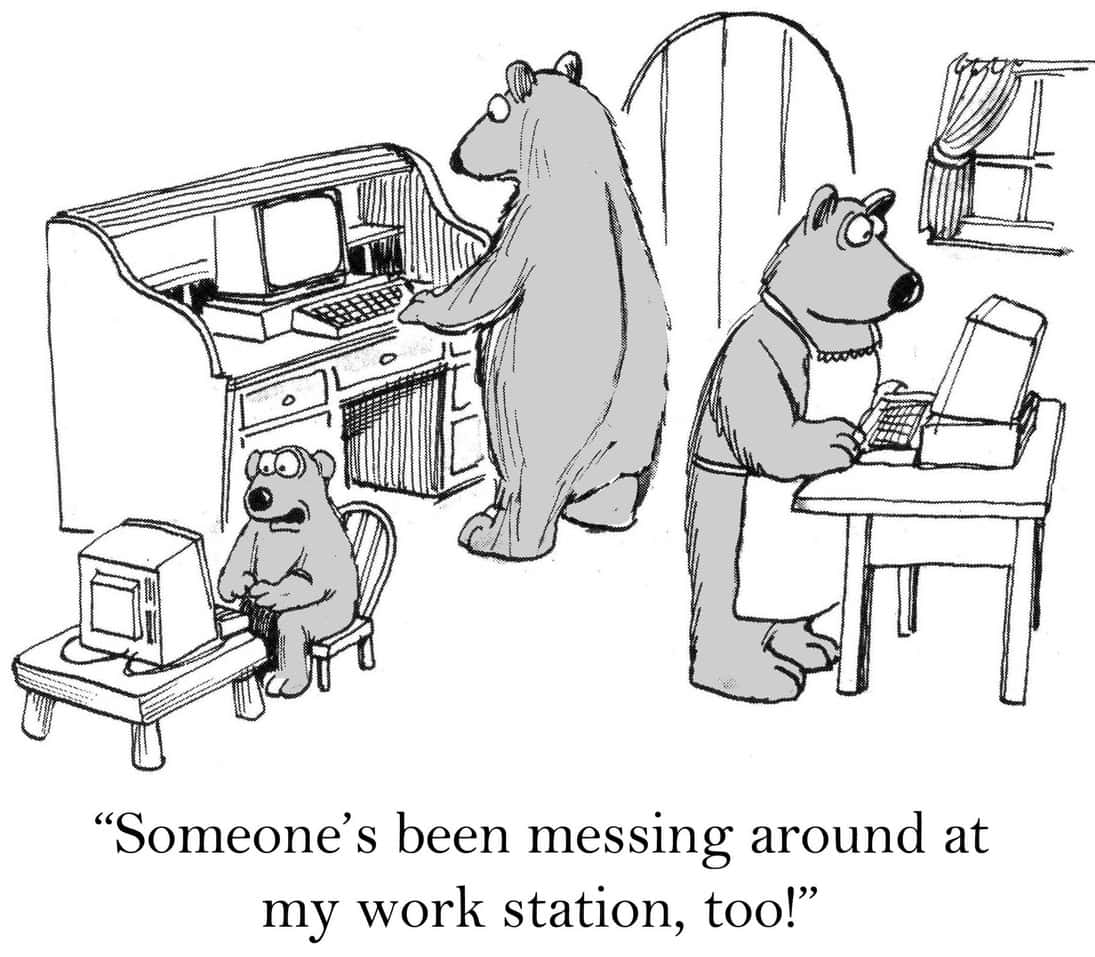
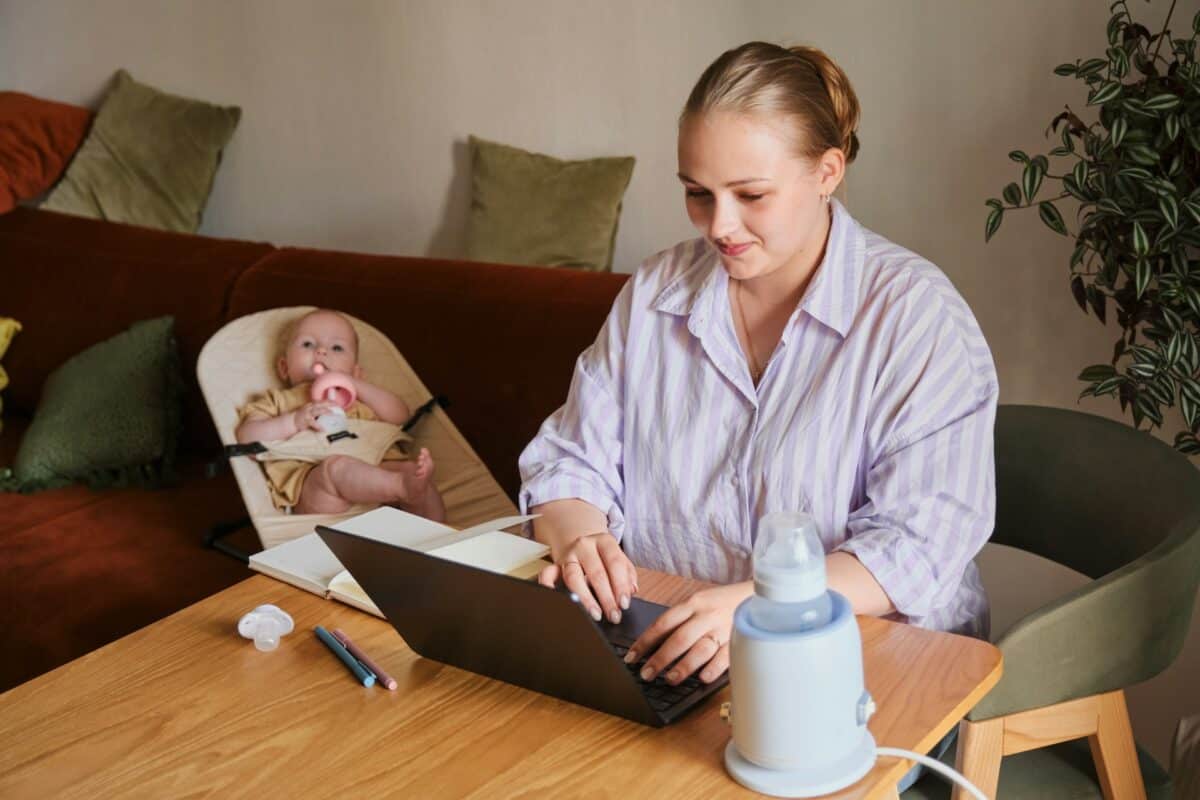
Is there even a need for a home office?

In today’s The Age newspaper is an article about a worker who claimed part of his rent for his home office as a work-related tax deduction (paywalled). The Australian Taxation Office rejected the claim, but it is now being considered by the Federal Court. There is a comment in the article that questions the need for a home office and challenges the occupational health and safety (OHS) context of working from home.

Subscribe to SafetyAtWorkBlog to continue reading.
Subscribe Help
Already a member? Log in here

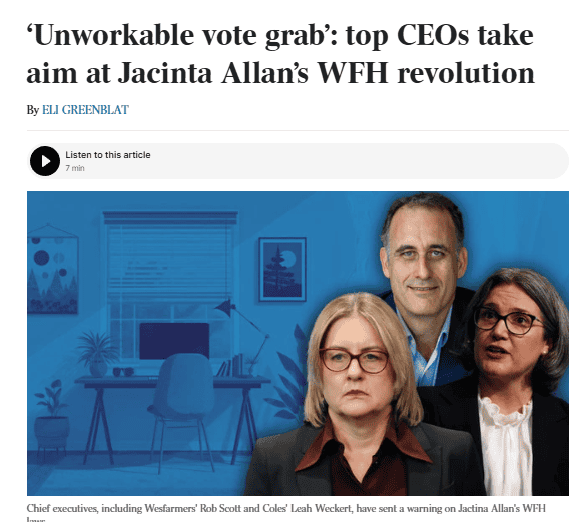
The Politics of Working From Home Continues to Miss the OHS Arguments

Working from home (WFH) is being sold as a cost-of-living fix and a family-friendly reform—but the Victorian government’s proposed WFH legislation misses a critical point: it’s also an occupational health and safety issue. While politicians tout productivity and convenience, they largely ignore the psychological benefits, consultation obligations, and uneven access that make this policy far more complex than a Monday morning commute.

You had to look hard for mentions of the occupational health and safety (OHS) legitimacy of the proposed law changes in Parliament this month.

Subscribe to SafetyAtWorkBlog to continue reading.
Subscribe Help
Already a member? Log in here

Why are the bosses’ knickers in a twist over work-from-home?

Two major Australian media outlets are continuing to focus on the issue of working from home (WFH), criticising the concept and some local political moves. WFH offers some significant mental health benefits that are being largely ignored. The front page of The Australian newspaper for September 1, 2025, provides the latest example.

Subscribe to SafetyAtWorkBlog to continue reading.
Subscribe Help
Already a member? Log in here

Work-from-Home Wins: Productivity Holds, Mental Health Glows, but Bosses Still Crave the Office Status Quo

“WFH is probably good for productivity” was a headline in the Australian Financial Review (AFR) of May 29 2025. The online version (paywalled) added “if it’s part-time”. The Productivity Commission‘s examination of the COVID-19 pandemic in its “before-and-after” report presents some new perspectives on occupational health and safety (OHS) aspects of working from home.

Subscribe to SafetyAtWorkBlog to continue reading.
Subscribe Help
Already a member? Log in here

The most recent guidance on office safety, including psych safety and working from home

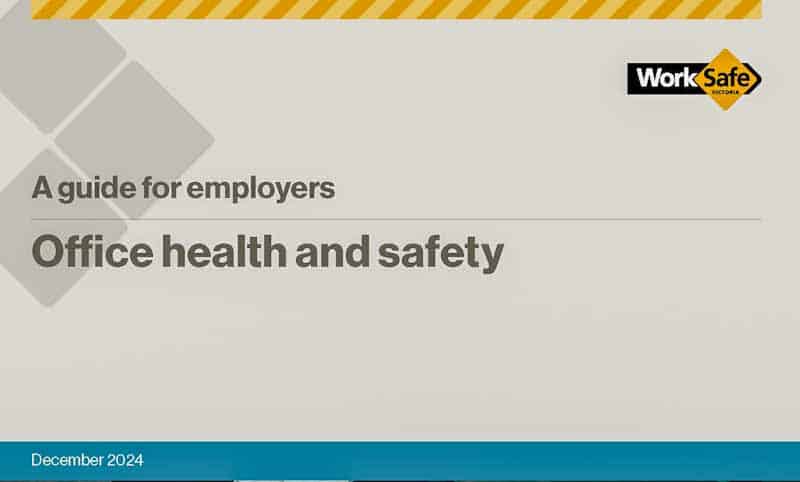
In December 2024, WorkSafe Victoria released “Office Health and Safety – A Guide for Employers“. Sadly, it seems to have (half) dumped the Officewise brand. If WorkSafe had kept it, the guide would have been part of an illustrious history stretching to the last century when the first edition was published in 1995. The new guide has some interesting advice on occupational health and safety (OHS) issues related to working from home, but workplace mental health seems more prominent than in earlier editions.

Subscribe to SafetyAtWorkBlog to continue reading.
Subscribe Help
Already a member? Log in here

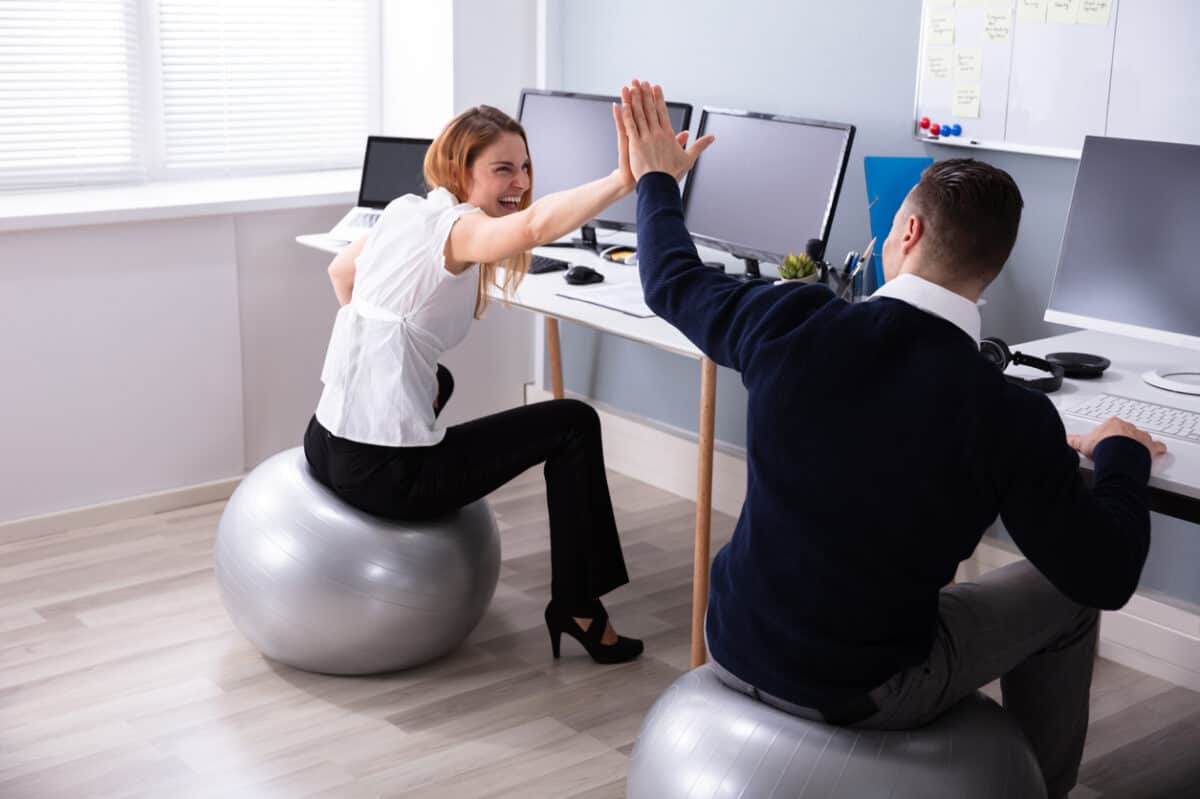
Don’t be a slouch on workstation ergonomics

Office ergonomics is one of the most misunderstood and misrepresented areas of occupational health and safety (OHS). The issue of posture was discussed in an article in the New Yorker on April 15, 2024, based on a new book – “Slouch: Posture Panic in Modern America” by Beth Linker. Rebecca Mead writes that Linker analyses a time when:

“… at the onset of the twentieth century the United States became gripped by what she characterizes as a poor-posture epidemic: a widespread social contagion of slumping that could, it was feared, have deleterious effects not just upon individual health but also upon the body politic. Sitting up straight would help remedy all kinds of failings, physical and moral, and Linker traces the history of this concern: from the exchanges of nineteenth-century scientists, who first identified the possible ancestral causes of contemporary back pain, to the late-twentieth-century popularity of the Alexander Technique, Pilates, and hatha yoga.”

links added
Subscribe to SafetyAtWorkBlog to continue reading.
Subscribe Help
Already a member? Log in here
Concatenate Web Development
© Designed and developed by Concatenate Aust Pty Ltd