
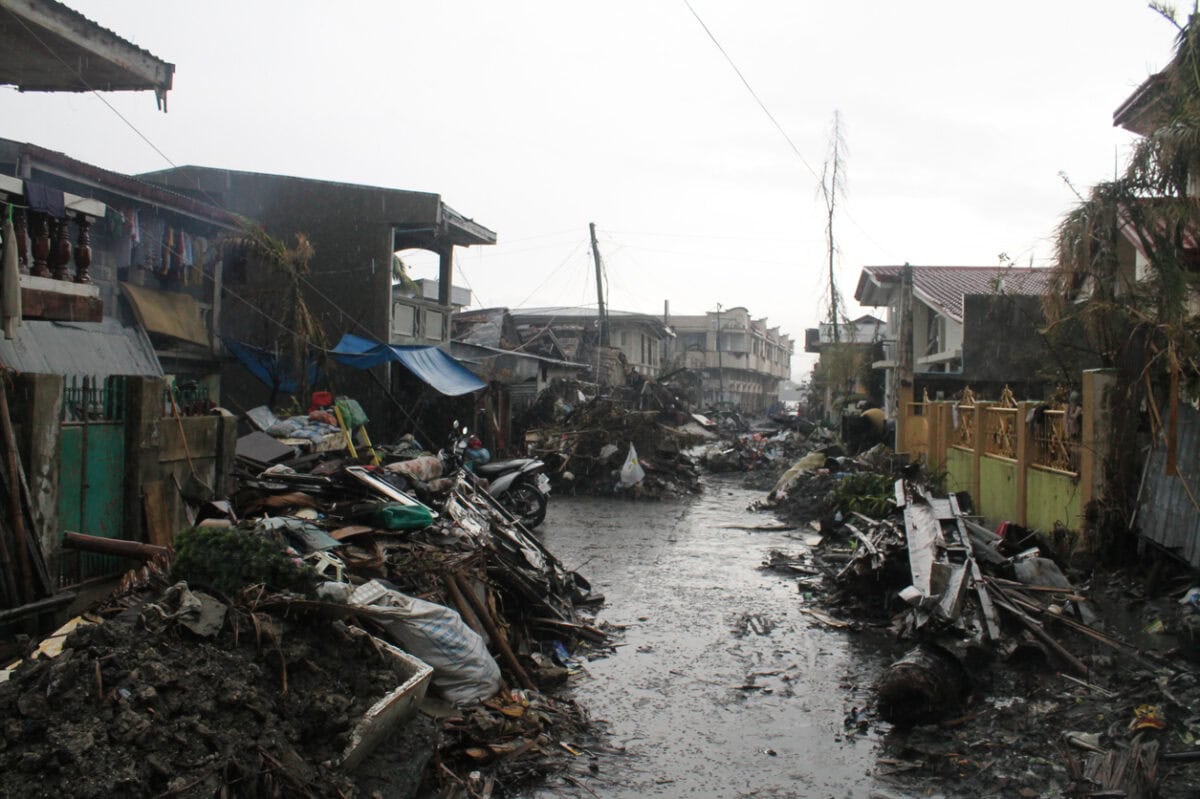
In occupational health and safety (OHS) one hears about resilience usually in terms of psychological health and the ability to cope with stress. Applying a primary focus on resilience to prevent and manage mental health at work has been discredited, but resilience has a broader application and one that echoes the OHS-based concerns.
Category: OHS

Beyond COVID Toward Safer Smarter Workplaces
The recent COVID-19 pandemic is over, but the virus and risk continue. Like any biological hazard that occurs in or affects workplaces, occupational health and safety (OHS) personnel need to be ready to respond appropriately should the hazard emerge or expand.
It is generally accepted that Safe Work Australia responded as quickly as possible when developing COVID-19 guidance, given that everyone was trying to work out what the hell was happening. Shortly before the pandemic, WorkSafe Victoria had published the first edition of a guide on how employers could respond to pandemics.
But where is Australia at now? How prepared are we for the next disease pandemic or epidemic? I asked Safe Work Australia and WorkSafe Victoria for an update.

Is there even a need for a home office?
In today’s The Age newspaper is an article about a worker who claimed part of his rent for his home office as a work-related tax deduction (paywalled). The Australian Taxation Office rejected the claim, but it is now being considered by the Federal Court. There is a comment in the article that questions the need for a home office and challenges the occupational health and safety (OHS) context of working from home.

Training Alone Won’t Protect Electrical Apprentices
In August 2025, the Electrical Trades Union (ETU) released some disturbing occupational health and safety (OHS) statistics involving electrical apprentices. The story was picked up by the Australian Broadcasting Corporation in October, Australia’s Safe Work Month. The focus was on improving safety training for apprentices; however, this focus is primarily on lower-order hazard controls and overlooked employer OHS obligations. I contacted the ETU and EnergySafe Victoria. The ETU didn’t get back to me but below is EnergySafe’s informative response.
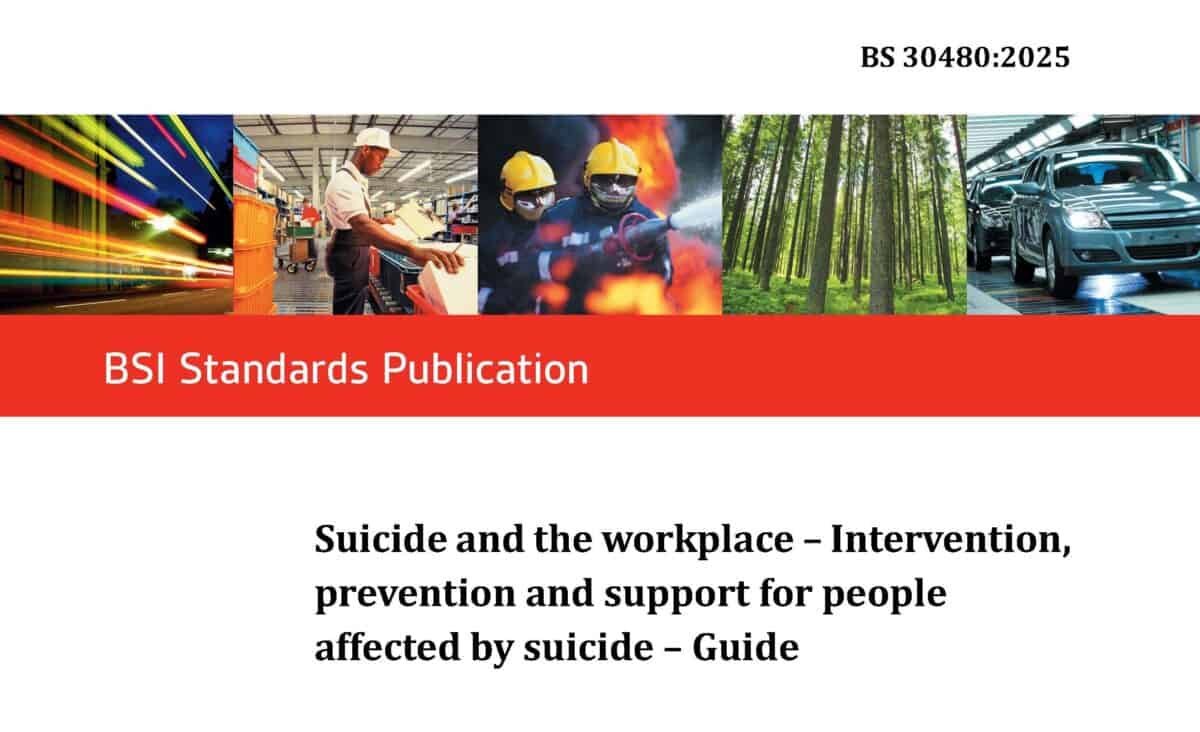
How BS30480 Challenges Tokenistic Mental Health Programs
British Standards Institute has just published BS30480, a standard called “Suicide and the workplace – Intervention, prevention and support for people affected by suicide – Guide”. It has come at the right time to show that the changes in psychological health at work in Australia are not in isolation.
Note: this article discusses workplace suicide factors.
Decent Work is so 2015
Australia’s Prime Minister, Anthony Albanese, has talked about occupational health and safety (OHS)….. a bit. On November 4, 2025, the PM addressed the IndustriALL Global Union 4th Congress. According to the congress’ website it:
‘…will bring together trade union representatives from around the world to discuss the future of work and reinforce their collective commitment to fundamental rights and social justice.”
So, it would be odd if OHS were not mentioned or discussed. (The Congress does maintain an OHS page)
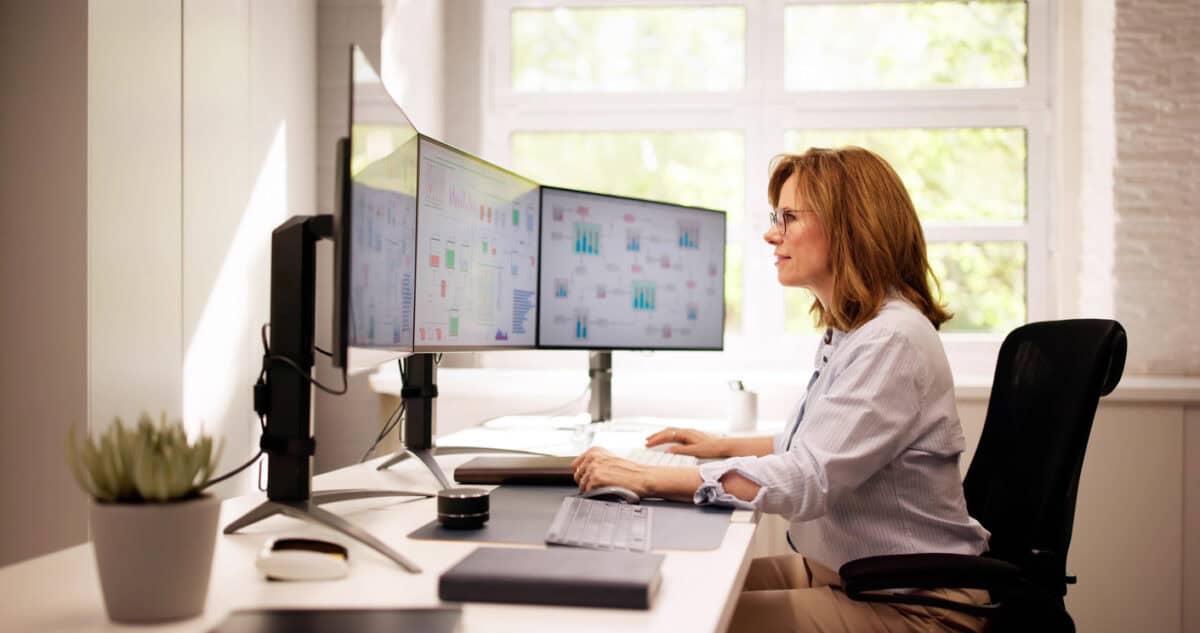
What the Evidence Really Says About Working from Home
The chairwoman of Australia’s Productivity Commission, Danielle Woods, produced an op-ed in an Australian newspaper on 30 October 2025 about working from home. In this contentious workplace matter, Woods referred to evidence several times that the newspaper format does not readily allow for. Below are links to that important evidence and some analysis.