A call to arms on OHS

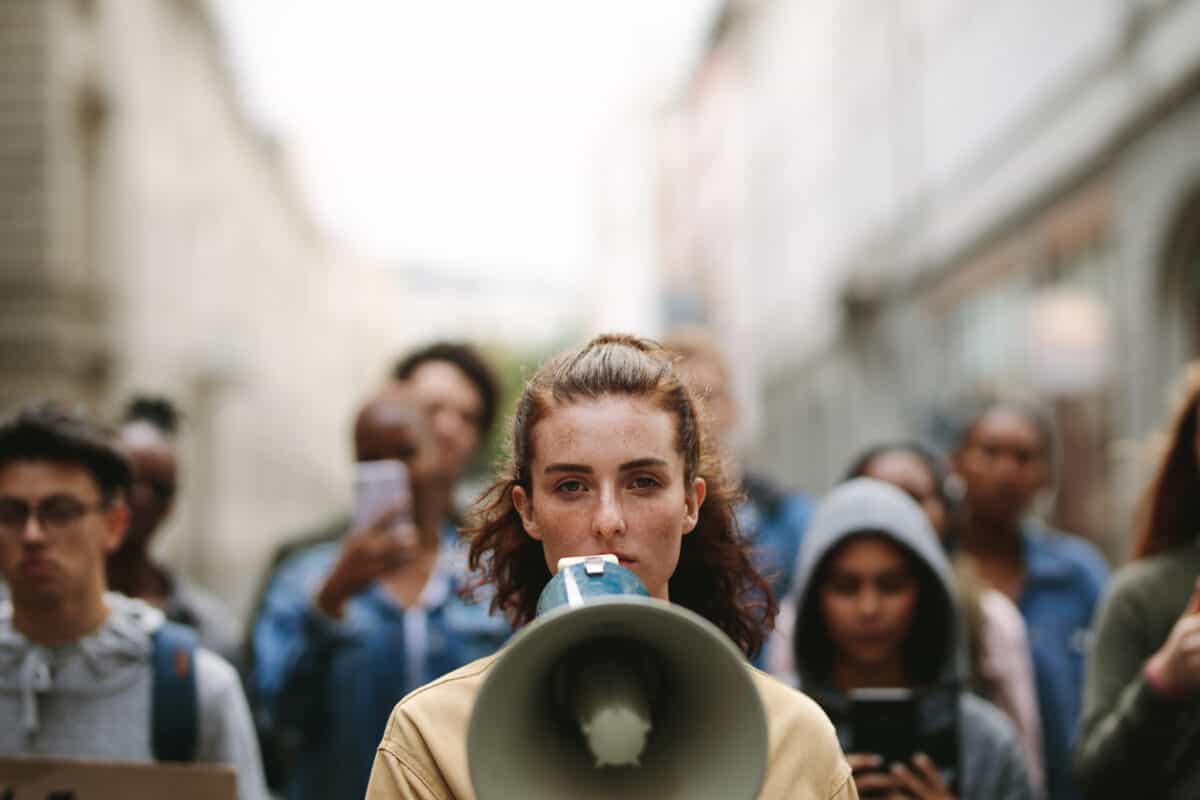
In early January 2024, the British Medical Journal (BMJ) published a commentary by Professor Alex Collie that illustrates the need to broaden our consideration of “traditional” and psychosocial hazards and well-being at work. The article is paywalled but worth obtaining a copy.

Collie‘s research is always interesting, and being published in the BMJ adds some clout to this call for activism.

Subscribe to SafetyAtWorkBlog to continue reading.
Subscribe Help
Already a member? Log in here

OHS context in many mainstream news stories, if you look

Occupational health and safety (OHS) is rarely reported on in the mainstream newspapers but every week OHS is there, adding a contect to a scandal or subtext to a public health risk. Last weekend was no different. The Guardian of September 16, 2023 reported on a review of personal relationships by BP, a prison escape, deaths from air pollution, a more relaxed approach to work, shoplifting and customer aggression, and more.

Subscribe to SafetyAtWorkBlog to continue reading.
Subscribe Help
Already a member? Log in here

You pay peanuts, you get monkeys

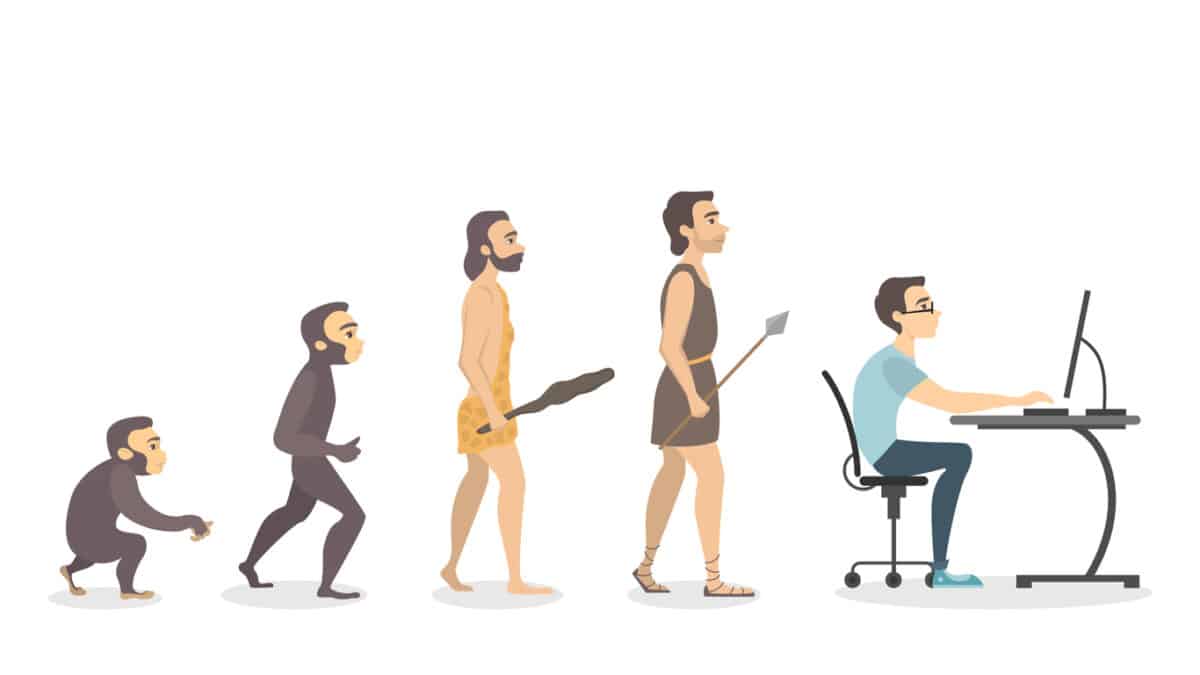
A recent Crikey article quotes a Qantas pilot saying “you pay peanuts, you get monkeys”. Australian businesses are gfighting asgainst wage increases, so they must want to employ “monkeys”.

Australia is engaging in its ritual industrial relations (IR) arguments about productivity, pay and conditions. Business concerns are that the IR changes will increase business costs beyond the point of sustainability (ie. Profitability), as always. Trade unions want improved worker pay and conditions.

Subscribe to SafetyAtWorkBlog to continue reading.
Subscribe Help
Already a member? Log in here

EY report shows a business model that generates serious job stress

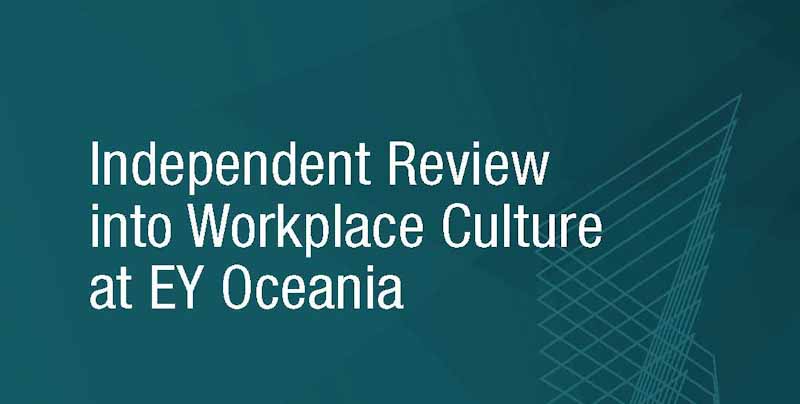
In 2022 a young employee of EY died by suicide after a work function. EY announced an independent review of EY Oceania’s workplace culture and that the report would be publicly available. That report was released on 27 July 2023. EY’s response was good crisis management, but the public release is beyond what many companies would do, so EY’s transparency in this case should be acknowledged.

The report written by Elizabeth Broderick‘s company offers good news for EY. There is a high level of satisfaction, but results in the 80 percentages or some 90 percentages still allow for a significant number of personnel who are dissatisfied, harassed, bullied, and/or mentally stressed. It is not unreasonable to accept the EY report as being indicative of the workplace cultures of hundreds or thousands of similar businesses.

This report needs to be read widely and thoroughly by any Human Resources (HR), Executive and occupational health and safety (OHS) professional. The following article scratches the surface of this significant investigation.

Subscribe to SafetyAtWorkBlog to continue reading.
Subscribe Help
Already a member? Log in here

Big consultancies sully their own nest

Large consulting firms have been getting a hammering lately. Fraud, leaking information, work-related suicides, corruption, unethical behaviour……. I bet they are nostalgic for the good old days when they were primarily auditors. There are several occupational health and safety (OHS) connections with the Big4, Big3 or Big 7. Auditing is the obvious overlap, but several recent books have identified some other strange relationships with Government that affect policy that, in turn, affect OHS. This is a brief look at one of those books – The Big Con.

Subscribe to SafetyAtWorkBlog to continue reading.
Subscribe Help
Already a member? Log in here

Differing perspectives on working hours

On March 8, 2023, Giuseppe Carabetta, Associate Professor, University of Technology Sydney, wrote about how the current dispute between Politician Monique Ryan and her former Chief of Staff, Sally Rugg, could open the door to lots of legal action through the courts and the Fair Work Commission. Sadly occupational health and safety (OHS) does not feature, but let’s look at the industrial relations context first and consider what is meant by “reasonable”.

Subscribe to SafetyAtWorkBlog to continue reading.
Subscribe Help
Already a member? Log in here

OHS and the big picture

There is an increasing trend to look deeper into the causal factors of workplace incidents and poor worker health in the physical and psychological contexts. This is partly due to “systems thinking” and partly dissatisfaction with failed regulatory and psychological strategies that promised so much but have failed to realise the promise. The trend needs some boosting by the occupational health and safety (OHS) community, which itself needs upskilling.

Subscribe to SafetyAtWorkBlog to continue reading.
Subscribe Help
Already a member? Log in here
Concatenate Web Development
© Designed and developed by Concatenate Aust Pty Ltd