The 39 (per cent) Steps

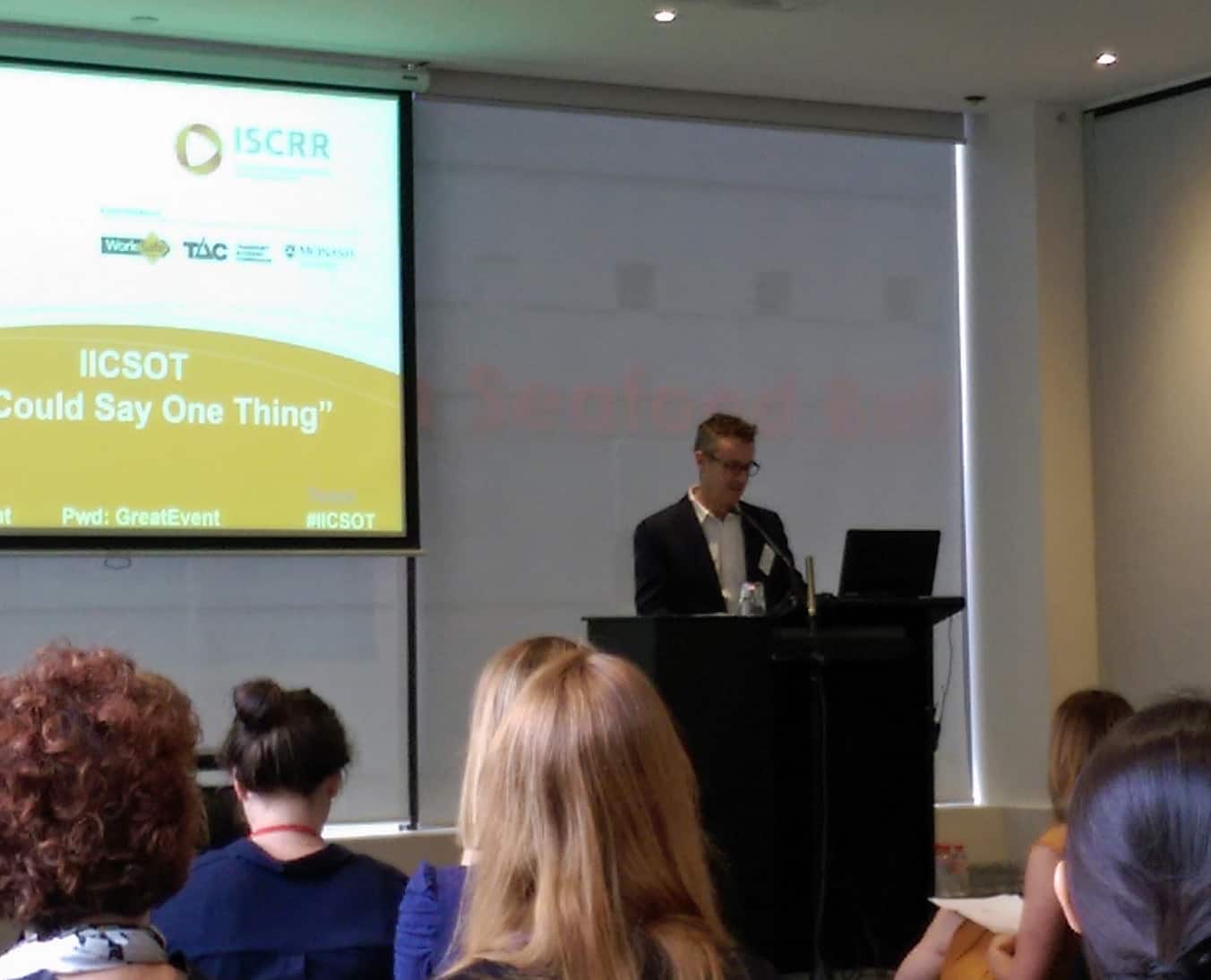
ISCRR IICOT 251115 editAt lunchtime today, the Institute for Safety, Compensation and Recovery Research (ISCRR) conducted a short seminar of five 7-minute presentations, predominantly, from academic researchers.

The most significant statistic provided was by Dr Genevieve Grant who said that only 39% of injured workers submit claims for workers compensation.  The significance is that the Australian government, OHS regulators and policy makers rely on the number of claims being a measure of the level of workplace safety.

This figure illustrates the absurdity of many of the statements made about which is the safest State in Australia.   Continue reading “The 39 (per cent) Steps”

EU provides clues for improving safety management

Cover of ef1551enThe European Union conducts research into occupational health and safety that, although there may be cultural and legislative differences, deserves attention from outside that geographical region.  Recently EuroFound released its annual review for 2014.  There are a couple of research projects that deserve consideration, particularly return-on-investment in construction safety, violence at work, psychosocial issues and precarious work risks. Continue reading “EU provides clues for improving safety management”

OHS and the Trans-Pacific Partnership

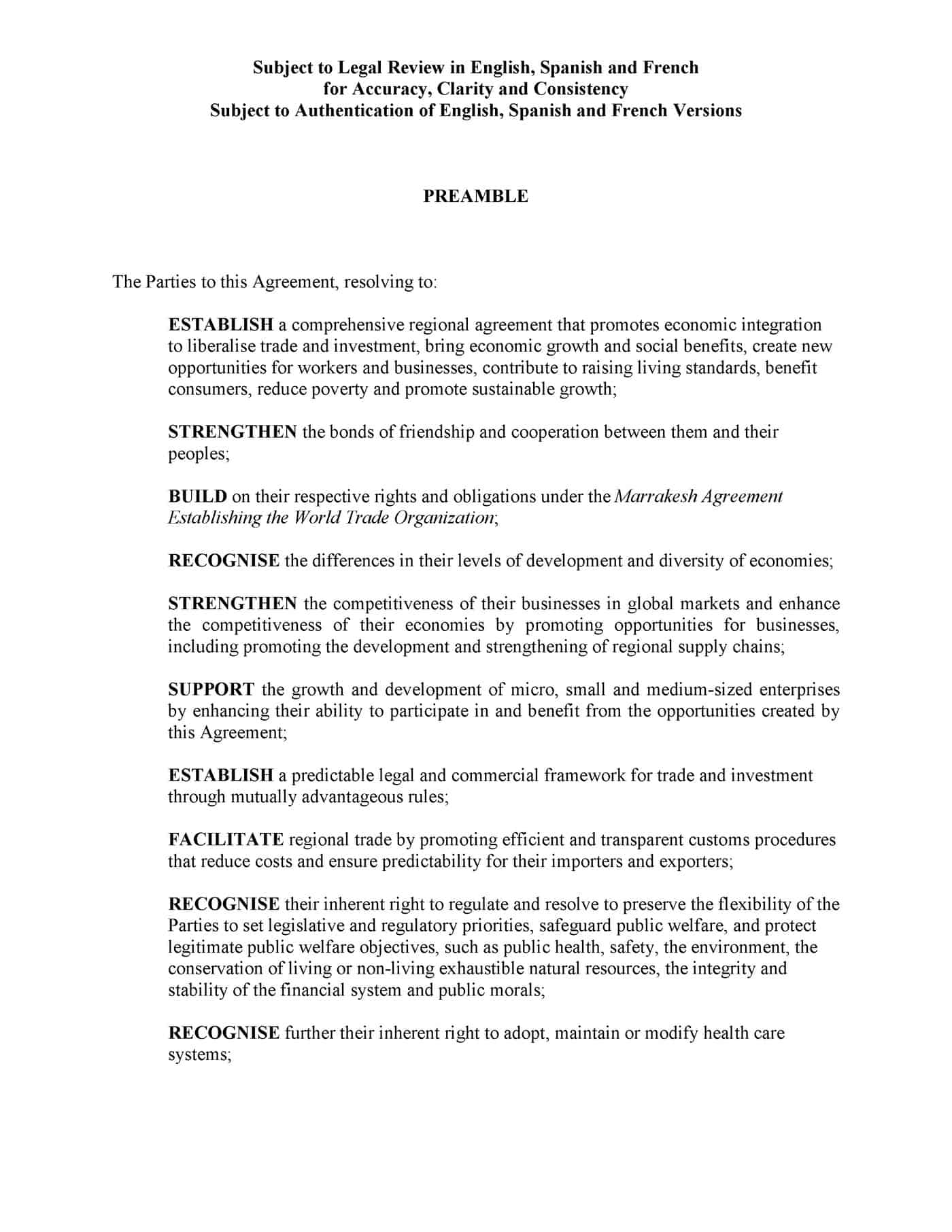
Cover of TPP Text 061115Several weeks ago I was asked by a trade unionist to make a submission to the Australian Government explaining how the impending Trans Pacific Partnership (TPP) would be bad for worker safety.  I acknowledged concerns over labour relations but pointed out that no matter who is working in an Australian workplace, their safety must be managed.  Whether they are a migrant worker or full-time employee was not relevant to the management of their occupational health and safety (OHS).  The trade unionist was disappointed.

Now the

Subscribe to SafetyAtWorkBlog to continue reading.
Subscribe Help
Already a member? Log in here

Union numbers continue to fall but OHS influence should not

Statistics released in Australia this week show a continuing decline in trade union membership.  This has generated some reaction from the union movement but also some suggestions for the future.  Trade unions are an integral element of occupational health and safety (OHS) policy setting.

Whether the union movement should continue to be part of the tripartite consultative structure on OHS is debatable given it can no longer claim to represent Australian workers based on the recent numbers.  However it can continue to claim it represents the OHS interests of workers even though the majority of workers seem uninterested. Continue reading “Union numbers continue to fall but OHS influence should not”

Full time at union OHS representatives conference

2015-10-27 HSR Conference brochureThe Health and Safety Representatives’ Conference, organised by the Victorian Trades Hall Council as part of Victoria’s WorkSafe Week, was notable for the lack of politics. Previous conferences have often focussed on political campaigns such as Your Rights At Work but this was largely absent from the presentations.  There were some political questions from the floor but that was expected.

The conference had some particular highlights relevant to the broader Occupational Health and Safety (OHS) profession.

Subscribe to SafetyAtWorkBlog to continue reading.
Subscribe Help
Already a member? Log in here

Insecure work inquiries should embrace and expand the safe system of work

Cover of Labour Hire Discussion paper

The Victorian Government has just released its first discussion paper into labour hire practices and insecure work. As has been discussed when the Inquiry was announced, occupational health and safety (OHS) is part of this inquiry but OHS will only gain the attention it deserves if someone advocates on behalf of worker safety exclusively and thinks about safety in this sector, differently.

Continue reading “Insecure work inquiries should embrace and expand the safe system of work”

A possible change in approach on quad bike safety

The Federal Chamber of Automotive Industries (FCAI) is an integral stakeholder in the improvement in the safety performance of quad bikes. However, some of its past strategies have been belligerent, divisive and have limited the safety debate.  There are hints that the FCAI’s communication strategy has changed and this can only be for the better.

On October 1, 2015, FCAI issued a media release that was a gentle questioning of the Star Safety Rating program recently advocated by quad bike safety advocates and researchers.  The FCAI says that the research on which the rating system is based

“…does not correlate with real world performance is premature and needs to be further explored.”

Continue reading “A possible change in approach on quad bike safety”

Concatenate Web Development
© Designed and developed by Concatenate Aust Pty Ltd