Why is profit put before safety?

Occupational health and safety (OHS) is a remarkably insular profession.  It tends to narrow its focus on legislative compliance even though Social Determinants of Health is a core unit of tertiary OHS education. OHS professionals are also notably weak in understanding the business realities that their employers and customers face.  This inability to understand the economic realities is a common criticism of OHS, not reflecting “common sense” and being naïve.

To understand OHS’ limitations and potential, it is necessary to have a basic knowledge of the economic and political ideologies under which clients and employers work. “The Big Myth – How American Business Taught Us to Loathe Government and Love the Free Market”, by Naomi Oreskes and Erik M Conway, contributes to that understanding.

Subscribe to SafetyAtWorkBlog to continue reading.
Subscribe Help
Already a member? Log in here

Softly, Softly, Catch the Monkey

As with most political party conferences, occupational health and safety (OHS) is a fringe issue. OHS or safety is sometimes mentioned in the big political speeches but often as an afterthought or obligatory mention that is rarely explored to the extent it deserves. The Australian Labor Party (ALP) recently held its national conference in Brisbane. Work health and safety was mentioned.

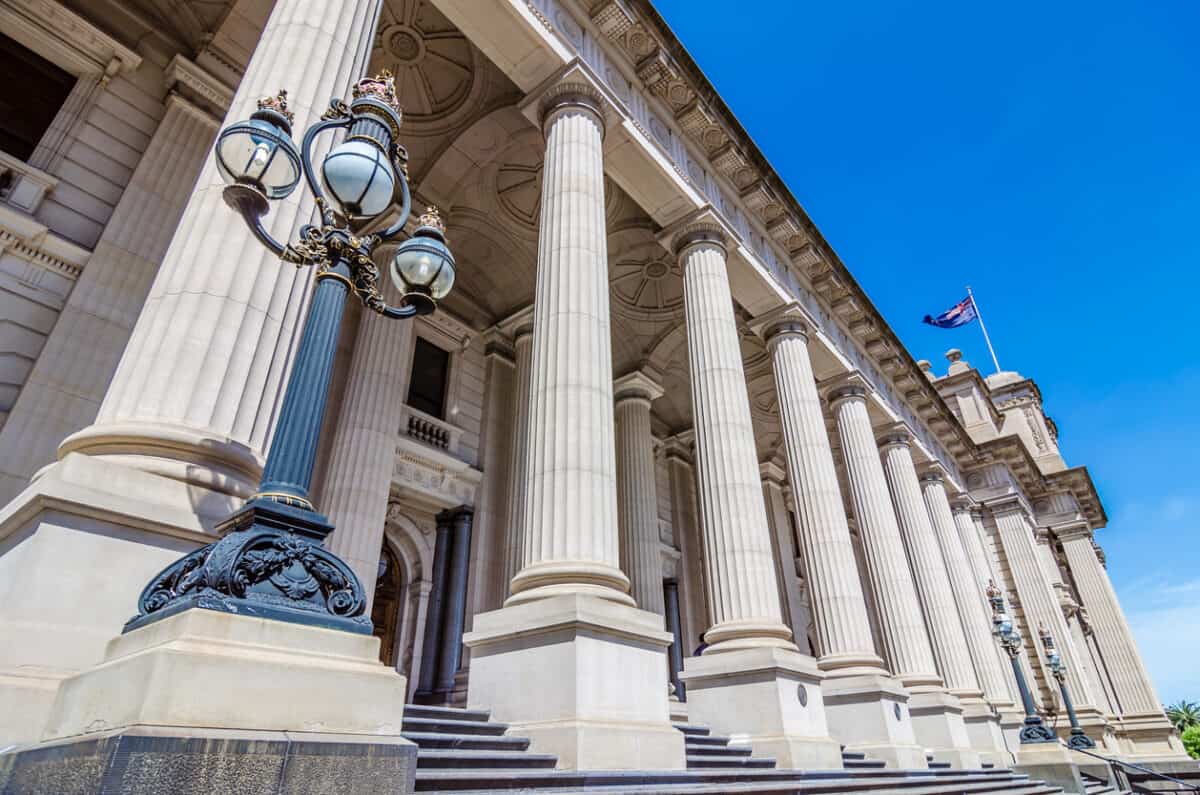
The ALP Conference is not intended to change Australian government policies. Its aim is to review and revise the ALP Party platform; it drops what may be redundant and improves the policy platform’s relevance. The conference may indicate party member concerns to the parliamentary members, but the government’s positions are for the parliamentary members to decide.

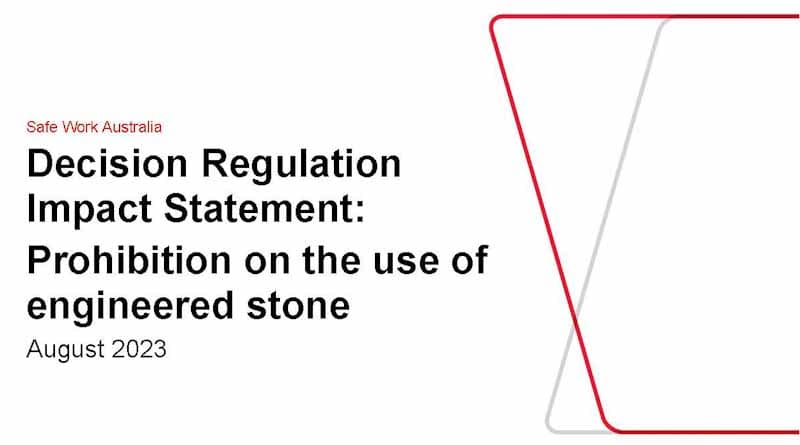
It should come as no surprise that the ALP has again refrained from banning the import and use of engineered stone even though the silicosis risks are well-established.

Subscribe to SafetyAtWorkBlog to continue reading.
Subscribe Help
Already a member? Log in here

Business lobbyist misses the point

Recently the Australian Industry Group Chief Executive, Innes Willox, addressed the National Press Club in Canberra. The AIGroup is one of the “go to” business groups, along with the Business Council of Australia and mining industry groups, that the business media knows will comment on anything when asked, and frequently when not asked. Willox’s August presentation was on Industrial Relations, but it also illustrates the workplace and political culture in which occupational health and safety (OHS) must operate.

Subscribe to SafetyAtWorkBlog to continue reading.
Subscribe Help
Already a member? Log in here

OHS lawyer says to trust your gut

Occupational health and safety (OHS) seminars can be a bit hit-and-miss. Sometimes they seem to be a front for promoting a new management program, but every so often, the information offered is perceptive and rewarding. Herbert Smith Freehills partner Steve Bell has been consistently rewarding over many years. No quoting Section 321 of an OHS Act or PowerPoint slide of obscure and semi-important court cases here. His latest seminar appearance covered

  • Due Diligence,
  • Industrial Manslaughter,
  • Psychosocial Risk Assessments
  • OHS Harmonisation.
Subscribe to SafetyAtWorkBlog to continue reading.
Subscribe Help
Already a member? Log in here

WorkSafe Victoria’s Director of Investigations says “Culture is nirvana”

Every so often, the spokespeople for occupational health and safety (OHS) regulators spread the public speaking load by having divisional heads speak at health and safety events. This week WorkSafe Victoria’s Director of Investigations, Peter Collins (pictured below), spoke at a breakfast seminar for the Australian Institute of Health and Safety, hosted by Herbert Smith Freehills. His presentation seemed like a prepared generic presentation which was okay but uninspiring. Given the nature of the investigations and prosecutions job, it should not have been a surprise that Collins was restricted on many of the topics he could speak of.

These AIHS seminars have been running annually for around 15 years and the Institute for decades, so there are some in the audience with long memories. Collins mentioned the persistent workplace hazards, such as manual handling and falls from heights, and

Subscribe to SafetyAtWorkBlog to continue reading.
Subscribe Help
Already a member? Log in here

The US take on heat and climate change

Coincidentally, as Europe burns and a little blog in Australia writes about the occupational context of excessive heat, a new book called Heat – Life and Death on a scorched planet was in the bookstores. Jeff Goodell, like so many North American authors, writes for his local readers even though his publishers sell books globally.

However, he does address the occupational health and safety (OHS) impacts of heat and offers some adaptations.

Subscribe to SafetyAtWorkBlog to continue reading.
Subscribe Help
Already a member? Log in here

Advice for the 23rd World Congress on Safety and Health at Work

I will be attending the 23rd World Congress on Safety and Health at Work in Sydney in November 2023. After a previous attendance at the Singapore conference a few years ago, I have high hopes but also some reservations.

The Congress is a major opportunity to open our minds. We Australians may think we are leading in some areas of occupational health and safety (OHS), but other than nominated speakers, we may need to be silent about our success until after we have listened and learned about the OHS experience of others. Some delegates will have an inflated sense of importance (more than ours), but most have come to learn, and it’s these delegates on whom we should focus.

Subscribe to SafetyAtWorkBlog to continue reading.
Subscribe Help
Already a member? Log in here
Concatenate Web Development
© Designed and developed by Concatenate Aust Pty Ltd