
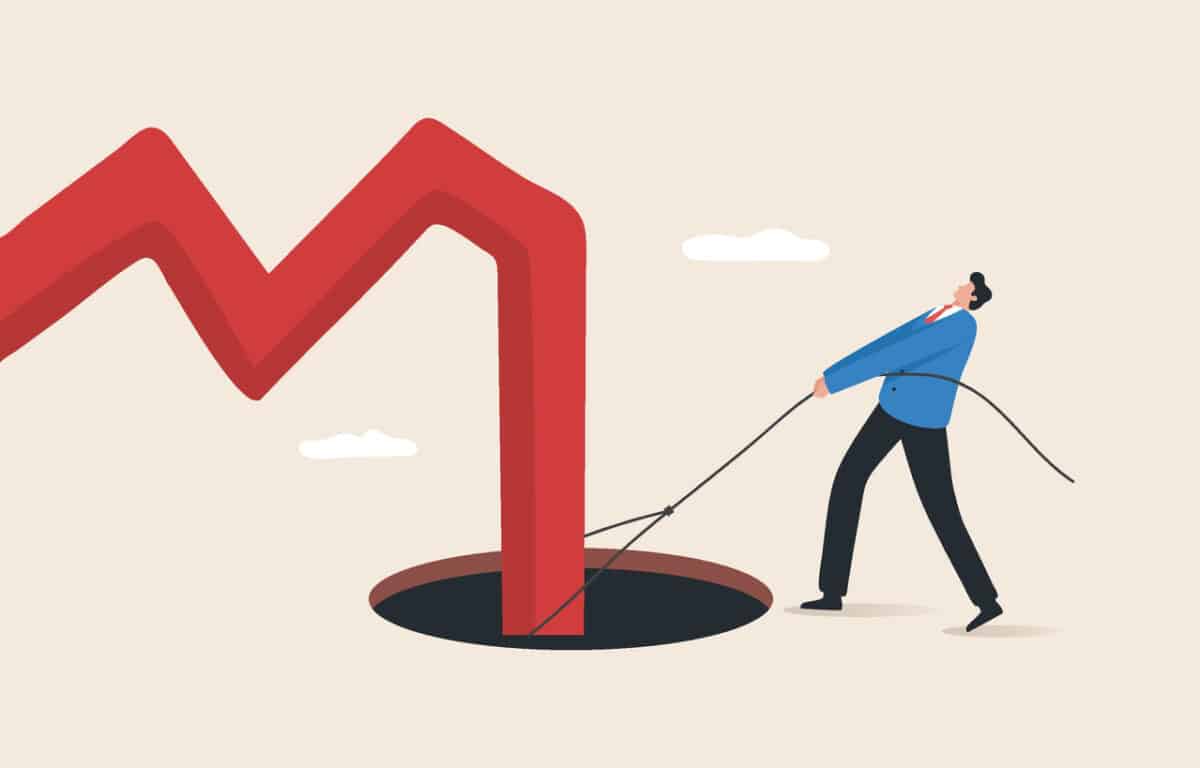
Shortly after Christmas 2022, the Australian Associated Press (AAP) released an article about the financial status of the Victorian Workcover Authority. The article was about a 2020 review of the financial sustainability of the workers’ compensation scheme by insurance and actuarial firm, Finity. This was built upon in a couple of mainstream newspapers.
Category: politics
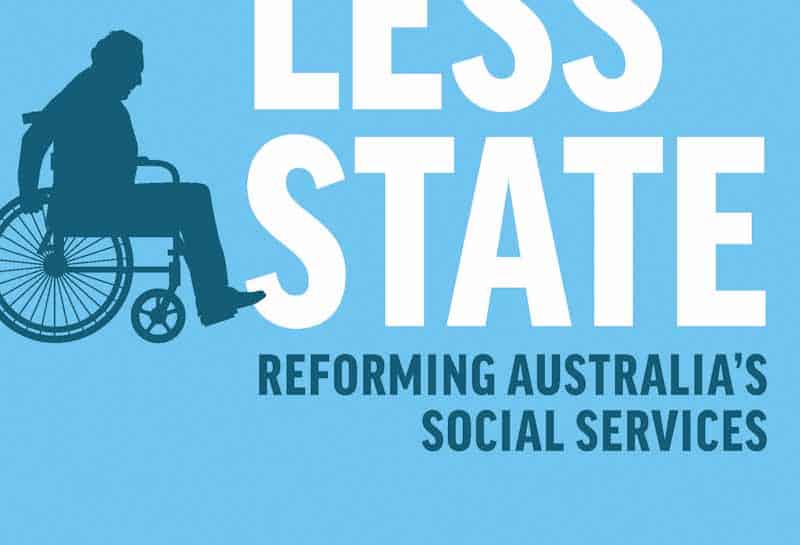
Worker’s compensation explained in new social welfare book
Occupational health and safety (OHS) is an integral element of social welfare, even though the practitioners of the discipline self-silo. A new Australian book about Australia’s social services uses workers’ compensation and OHS as a case study for a change.
“The Careless State – Reforming Australia’s Social Services” by Mark Considine illustrates the Venn Diagram overlap of public health services, the National Disability Insurance Scheme (NDIS), aged care services, workplace safety and compensation and more. The book is very timely, as many of the social services essential for social harmony and justice have been neglected over the last decade under various State and Federal conservative governments.
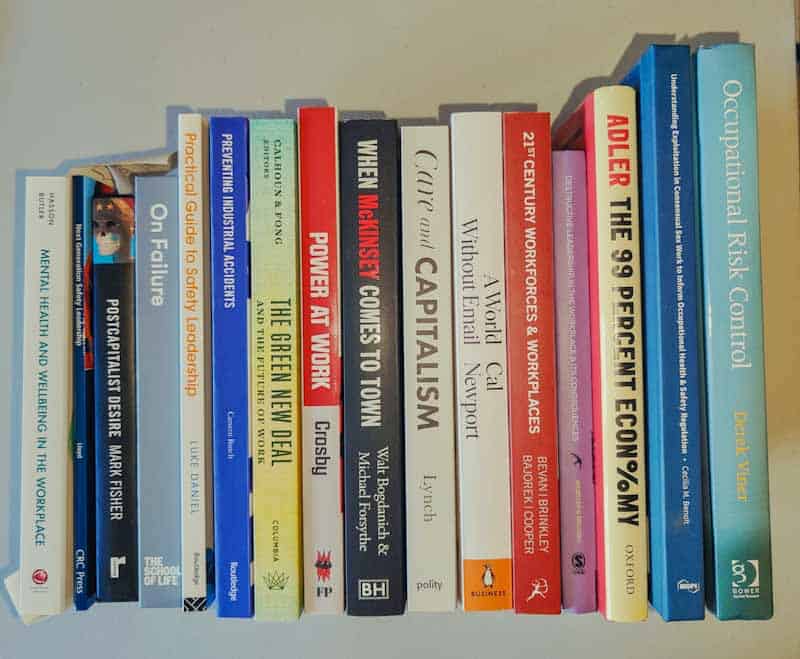
Unread books on safety and work
I always separate the books I have yet to read from those I have read, or else I lose track and can miss important books. Below is a list of those books in the hope that subscribers could tell me which they found to be useful and important if they have read any of them.
I have provided links to the books, usually publishers’ pages or reviews if you are interested, and check for special offers. Not all the books are new but new to me.

Other OHS politics you might have missed
November 2022 was a very busy month of politics (and a football World Cup) which distracted many of us from our usual monitoring of OHS announcements. Below is a summary of some of those from the last couple of weeks.
The South Australian Parliament has sent its Work Health and Safety (Crystalline Silica Dust) Amendment Bill to the Parliamentary Committee on Occupational Safety, Rehabilitation and Compensation for inquiry and report.
The bubble has burst. Bring on the next one.
The legal action by Self-Employed Australia’s Ken Phillips to hold the Victorian Premier, Daniel Andrews, ministers and senior bureaucrats accountable for COVID-19-related deaths stemming from the failure of the hotel quarantine program appears to have failed. At least it has in the courts, fringe community and political views still exist saying that Andrews should be pursued for murder or industrial manslaughter.

OHS legal changes you might have missed
If you needed confirmation that the mainstream media is disinterested in occupational health and safety (OHS) unless there is a disaster or the incident can be narrowly categorised as sexual harassment, bullying or suicide, last week, the Australian Parliament passed important amendments to the Model Work Health and Safety laws. It seems OHS cannot compete with sexual harassment laws (I’m okay with that) or Industrial Relations (or Australia’s wins in the World Cup).
On December 1 2022, Workplace Relations Minister Tony Burke‘s Second Reading Speech included the removal of insurance policies that could pay for financial penalties awarded against OHS breaches and a pledge to put Industrial manslaughter back on the national agenda.
When a ban is an understandable stunt
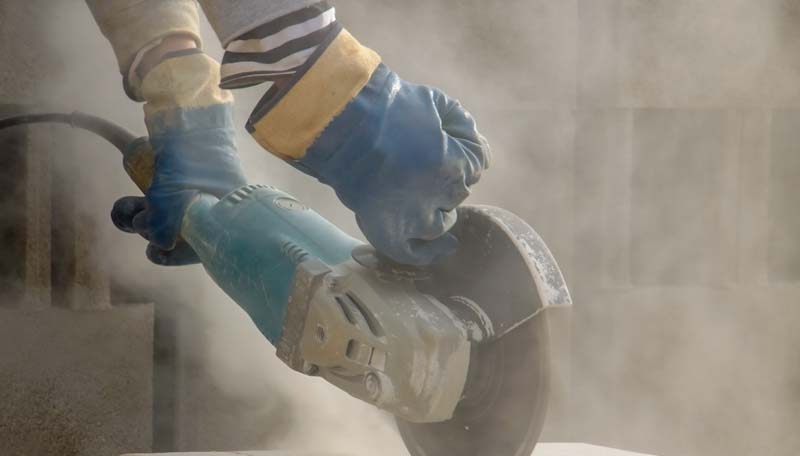
Australia has yet to offer a good reason for hazardous engineered stone products not being banned from import and use. On November 23 2022, Australia’s most influential construction union, the CFMEU, stated that it would ban these products from mid-2024 if the Federal Government does not. Trade unions no longer have the level of influence or numbers to achieve these sorts of bans. As with asbestos many years ago, such campaigns risk taking more credit for the potential occupational safety and health reforms than they deserve.