Working Hours and Leadership

The workplace issues of excessive hours, unpaid overtime and the negative mental health and social disruption effects are becoming more commonly discussed but not, necessarily, fixed.  A persistent example of these workplace hazards is the sitting of Parliament.

Parliamentarians are not always good examples of leadership and nor are they good managers of their workplace responsibilities, as shown by the response to sexual harassment and alleged assaults in the Federal Parliament House. A less controversial example of their management is the flexible hours applied to the passing of, usually contentious, legislation.

Subscribe to SafetyAtWorkBlog to continue reading.
Subscribe Help
Already a member? Log in here

Speaking truth to power

Last week two young women, Grace Tame and Brittany Higgins, made speeches at the National Press Club about the sexual abuse of minors and an alleged sexual assault in Parl ment House, respectively, and the social changes required to prevent both risks. Both spoke about the need to prevent these abuses and assaults. OHS needs to understand and, in some ways, confront what is meant by preventing harm. The words of Tame and Higgins help with that need.

Subscribe to SafetyAtWorkBlog to continue reading.
Subscribe Help
Already a member? Log in here

New Perspectives in OHS

Yesterday the Central Safety Group (CSG) invited me to talk at its monthly lunchtime seminar. The topic was New Perspectives on OHS. These perspectives are likely to be familiar to subscribers of this blog but were intended to be provocative and foster reflection and discussion. Below is a substantially edited version.


Thanks for inviting me to be the first speaker in CSG’s 60th anniversary year. The Central Safety Group has been an important part of my OHS journey since the very start in the early 1990s. It is a remarkable achievement for the Group and, as a Life Member, I am very proud of my association with it.

OHS can become very insular. It can become too focussed on issues within a single industry, a single worksite or a discipline. This insularity can lead to OHS reaching seemingly operational dead ends, such as “this is the way it is” or what is “reasonably practicable are”. We may seek continuous improvement, but our employers and clients often see “reasonably practicable” as the endpoint of activity. It can become their comfort point of compliance.

Subscribe to SafetyAtWorkBlog to continue reading.
Subscribe Help
Already a member? Log in here

Trade Unions, Cost, Exploitation and Responsibilisation

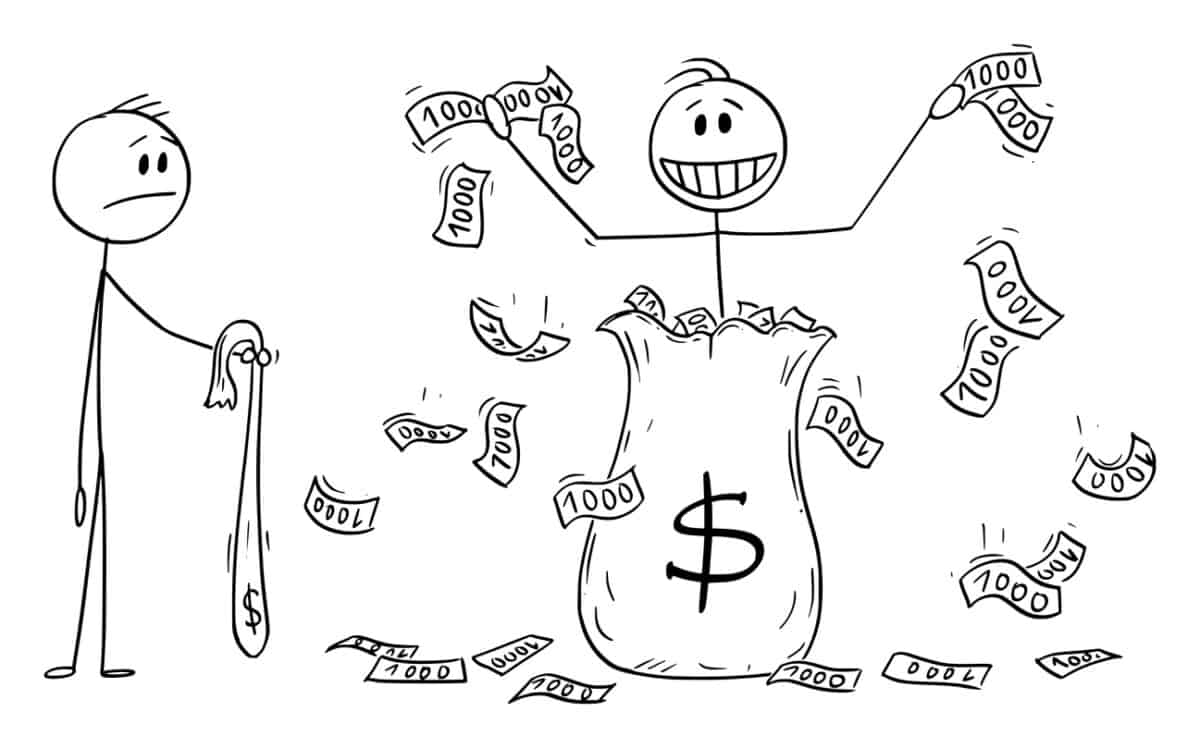
Trade unions have been the longest and strongest advocates on occupational health and safety (OHS) in Australia. Still, their political influence is falling slower than its declining membership due to structural legacies, of which the tripartite OHS consultation is one. The trade union strategy for OHS was to monetise it so that changes in OHS could be the catalyst for or on which it can piggyback industrial relations (IR) reform. A recent review of the work of Professor Michael Quinlan and a video from United States economist and author Robert Reich illustrates elements of this process.

Subscribe to SafetyAtWorkBlog to continue reading.
Subscribe Help
Already a member? Log in here

Achievements and opportunities

In November 2022, Victoria has its State Election. The current Government of the Australian Labor Party has a solid parliamentary presence and is tipped to win another term of government. Although the 2022 Platform is yet to be released, it is worth looking at the 2018 policy document for what was promised and has been achieved in occupational health and safety (OHS) since then and speculating on what is left to do or announce in 2022.

The opposition Liberal Party of Victoria does not release policy documents but does include a list of its “beliefs”.

Below is a list of what Labor “will” do from the OHS chapter of its 2018 platform document:

Subscribe to SafetyAtWorkBlog to continue reading.
Subscribe Help
Already a member? Log in here

Australia Day and OHS

[Article updated at 5.00pm]

Three Australians have received recognition on today’s Australia Day HonoursKate Cole, Michelle Baxter and Sharann Johnson for occupational health and safety work, The official citations are for “For service to workplace health and safety”, “For outstanding public service to the health and safety of Australian workplaces and the community, particularly during the COVID-19 pandemic” and “For significant service to community health as an occupational hygienist, and to service groups” respectively.

I have never met these recipients, but I have heard several of them speak in various locations and media. The Australia Day process itself provides very little detail of accomplishments, so it is up to each of us to watch for mentions and profiles in the media over the next week or so. To help in this endeavour, below are some relevant links and hashtags.

Many award recipients have affected health and safety conditions in various workplaces. The health care setting and COVID-19 are of particular relevance, but occupational health and safety rarely gets this level of recognition. Often, no one receives an award in this sector, so this year is unique and important.

Continue reading “Australia Day and OHS”

Australia’s Prime Minister shows his ineffectiveness on OHS and COVID

Pragmatism was a theme of yesterday’s blog article. On January 19 2022, Prime Minister, Scott Morrison, showed political pragmatism in his press conference. His comments could create more discomfort between State and Federal jurisdiction and more occupational health and safety (OHS) confusion for business owners and employers.

Subscribe to SafetyAtWorkBlog to continue reading.
Subscribe Help
Already a member? Log in here
Concatenate Web Development
© Designed and developed by Concatenate Aust Pty Ltd