
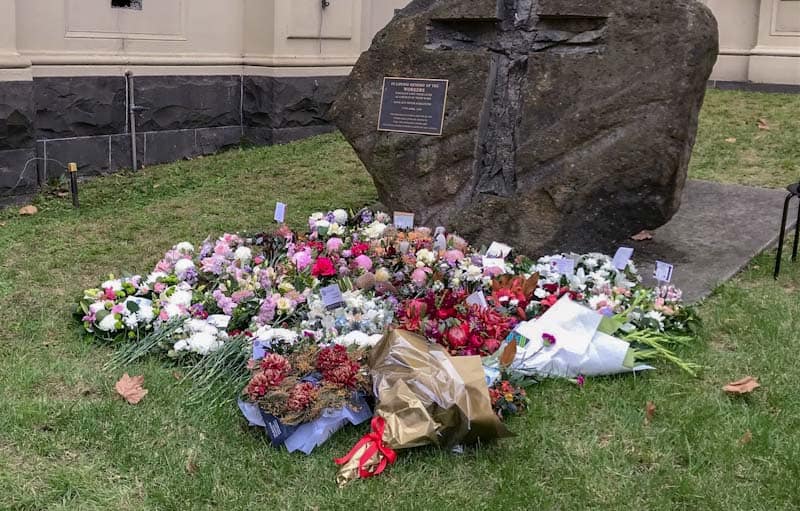
Last week a Victorian politician and a senior bureaucrat spoke about occupational health and safety (OHS) at the Worksafe Victoria awards night. On April 28, 2022, the same bureaucrat and a couple of other politicians spoke at the International Workers Memorial at Trades Hall in Melbourne. Did they say anything useful? Did they say anything that changes or progresses OHS? And who was the audience?
Category: politics
How will people know you’ve won a safety award?
Modern-day events such as conferences, seminars and awards nights rely on social media strategies to maximise the value of the event and the communication opportunities they afford. This year the WorkSafe Victoria Awards night seems to have applied a thin social media strategy even though it has important stories to tell.
Usually, signs, brochures, information booklets and even tables mention the social media hashtag that the event organisers want the audience to use to promote and record the event. This year WorkSafe Victoria mentioned #WSAwards21 at the night’s start and never again. The hashtag was nowhere to be seen. This may be a major factor in the very low Twitter activity.
As of the time of writing, Twitter had 29 mentions of the #WSAwards21 hashtag, most posted by WorkSafe itself. I tweeted five of them. The audience members or finalists have tweeted only three times.
OHS record restated, but employers omitted
The WorkSafe Awards night for 2021 was postponed a couple of times from its traditional date in Workplace Health and Safety Month, October. The April 21, 2022, event held the potential for a political statement, given that 2022 is an election year for Victoria, and the event was held one week before International Workers Memorial Day. No such luck. We may have to wait for October 2022, a month before the November election.
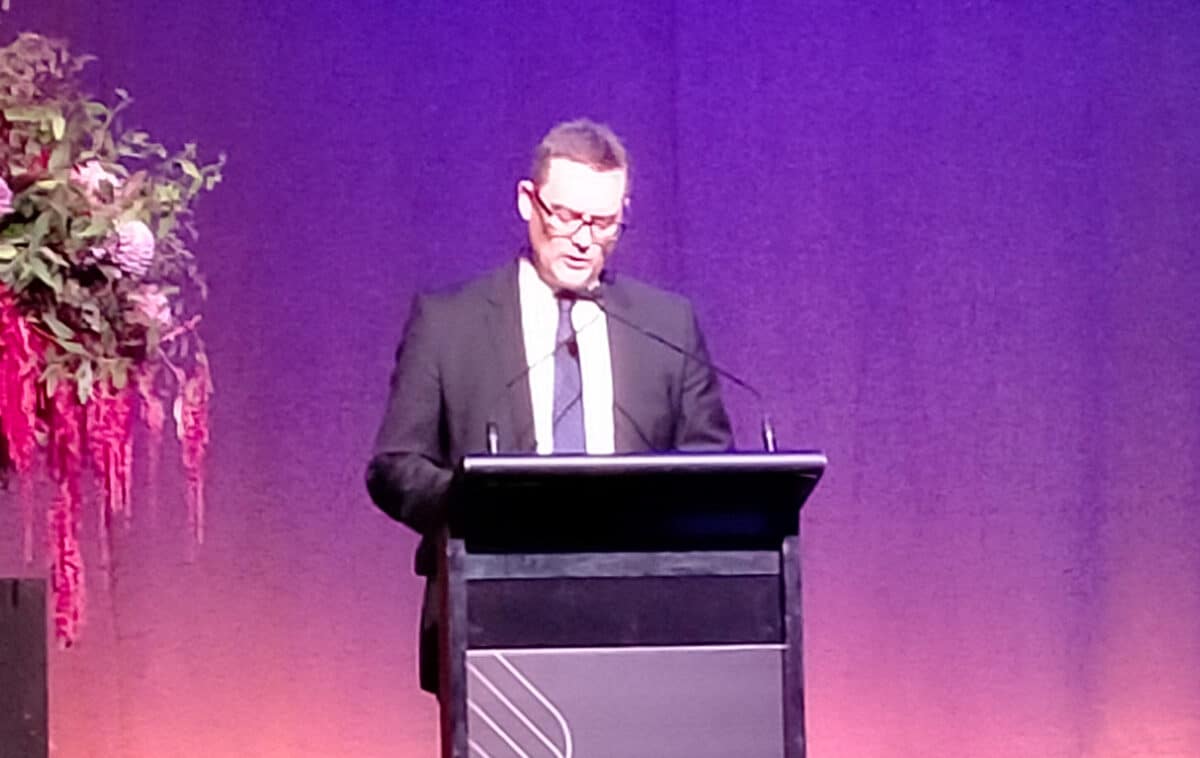
The Minister for Workplace Safety, Ingrid Stitt, could not attend, but Bronwyn Halfpenny, the Parliamentary Secretary for Workplace Safety, did. Halfpenny is very active in occupational health and safety (OHS) and the government’s working group of bereaved families, but her speech at the awards event reiterated the government’s OHS reforms. Like other members of the government, she gives a great deal of significance to Industrial Manslaughter changes. These changes have generated fear at senior management levels but little difference in employers’ commitment to improving workplace safety and health. A big stick is pointless unless it is used and used as intended.
WorkSafe Victoria awards were hit and miss
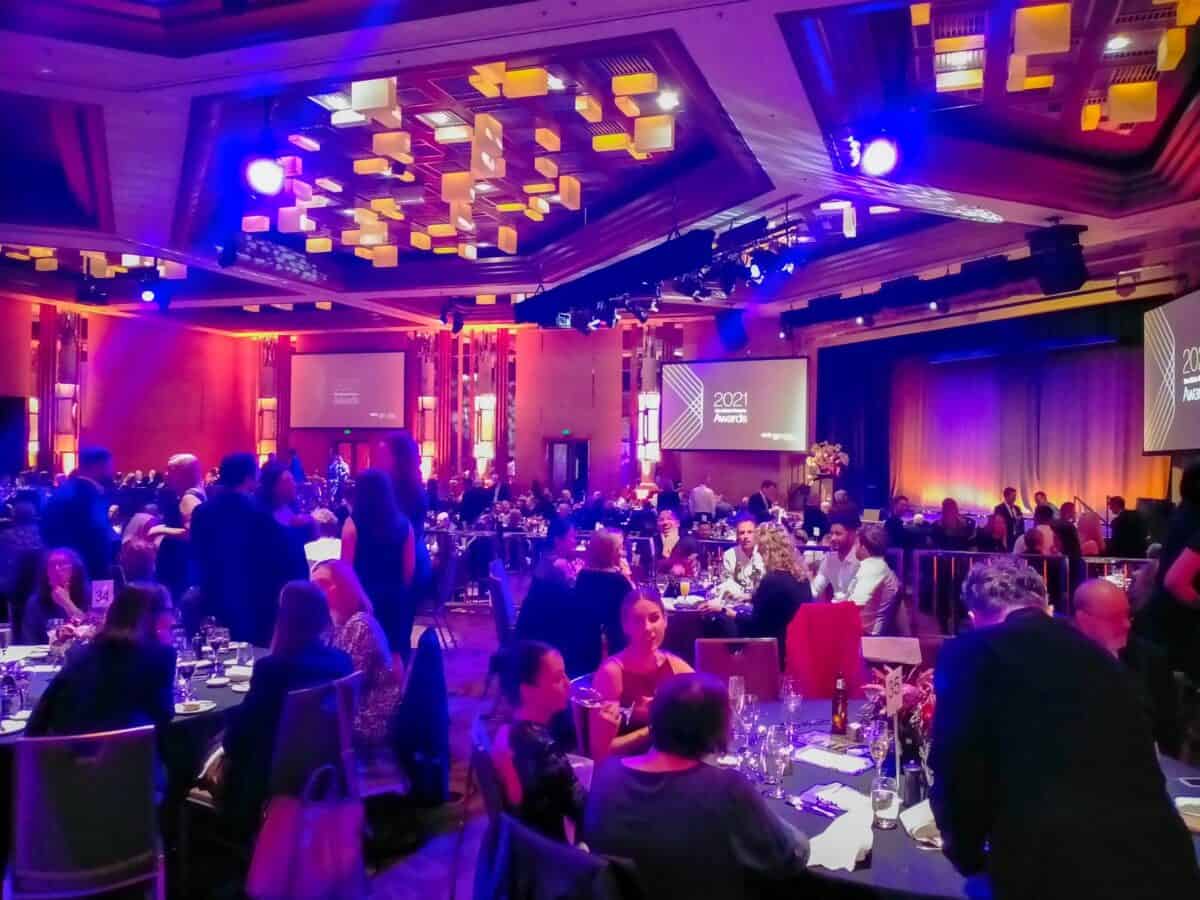
Last week WorkSafe Victoria finally held its awards night for 2021. The finalists were deserved winners, but compared to previous pre-COVID awards nights, this one was sedate and sometimes flat. SafetyAtWorkBlog will be looking at some of the issues raised by the awards ceremony in a series of articles this week.
The crowd was much smaller than in previous years. This could have been due to the event having been postponed, I think twice, but it could also indicate a lower importance for this type of event. Many of the usual attendees seemed missing – occupational health and safety (OHS) and workplace relations law firms, major companies, industry associations and CEOs, and those who are not finalists but appreciate the opportunity to network with significant players in Victorian OHS.
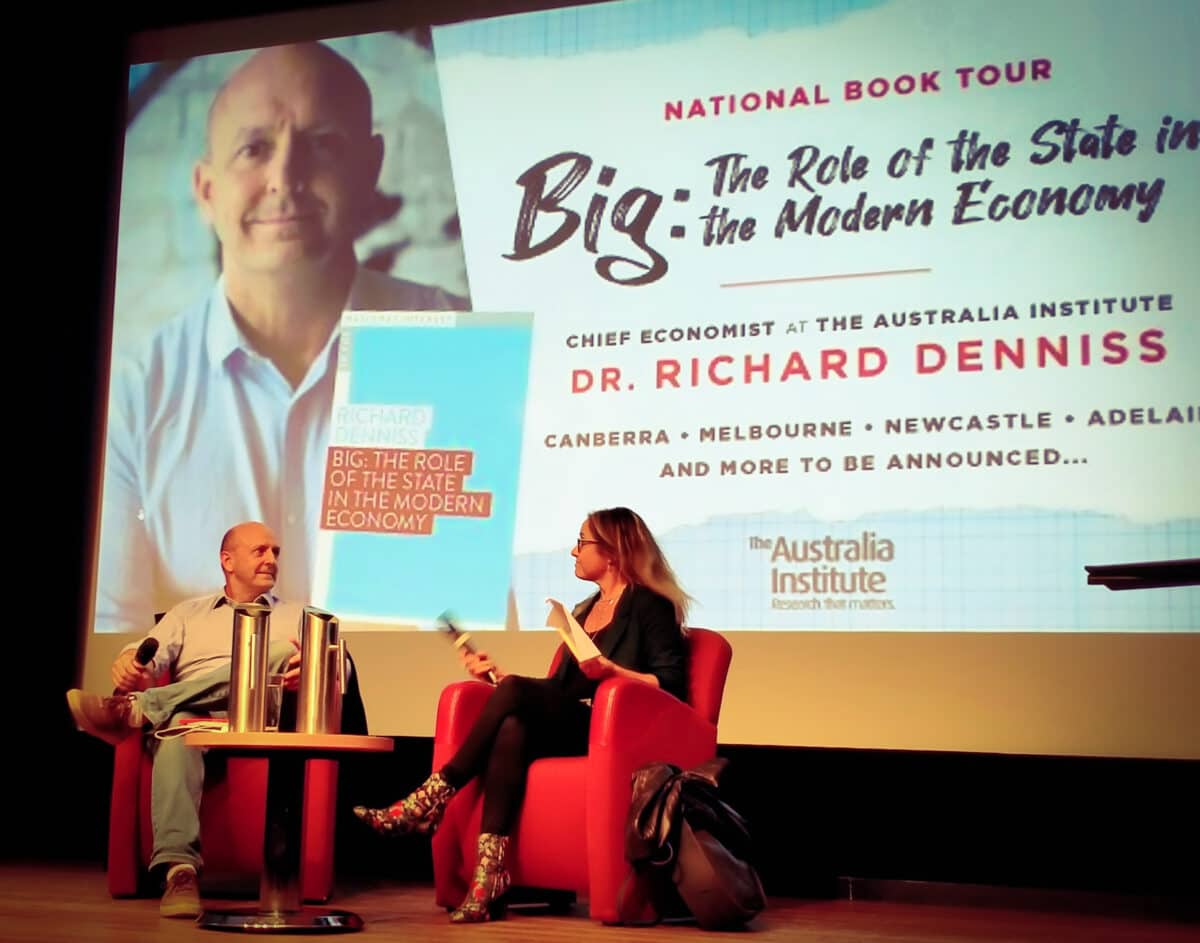
“can’t afford” means “don’t want to”
Richard Denniss, an economist with The Australia Institute, discusses economics differently from other economists. He will seldom discuss occupational health and safety (OHS). He rarely talks about industrial relations. Instead, he talks about the big picture by drawing on many sources and disciplines, which is why he is so interesting to listen to.
This week he was on a national book tour for his latest publication on the role of the State in the modern economy and some of his opinions connected with the management of workplace health and safety.
Political point-scoring misses the point
Last week the Australian Financial Review (AFR) caused a bit of a political stink by reporting that:
“….Australian Bureau of Statistics figures show the share of casual employment was 22.8 per cent in February – 1.3 percentage points lower than in February 2020, just before the pandemic hit the economy.
AFR, April 12 2022 – Albanese’s casual jobs claim is ‘wrong’, according to ABS data
The casualisation rate is 4.8 percentage points below the peak of 27.6 per cent in 2003.”
The figures seem accurate but do not tell the whole story. How are employment statistics relevant to occupational health and safety (OHS)? Job insecurity is a significant factor in work-related mental health.

Industrial Manslaughter, psychologically safe workplaces and insecure work – just another day in the Senate
Australia has entered a federal election campaign, but the mechanics of the Australian parliament continued, and various occupational health and safety (OHS) comments were voiced in Senate Estimates. These comments touched on Industrial Manslaughter, regulations on psychologically safe workplaces and insecure work.