Political Science (finally) comes to OHS

Improvement in occupational health and safety (OHS) standards has always been the intention of OHS laws. Parallel to this is the intention of the OHS, and allied, professions to continuously improve health and safety through the prevention of harm. However, political leadership on OHS has been scarce over the last few years, especially in the national governments of the United Kingdom, the United States and Australia. So, it is necessary to look beyond the party politics to other sources of change.
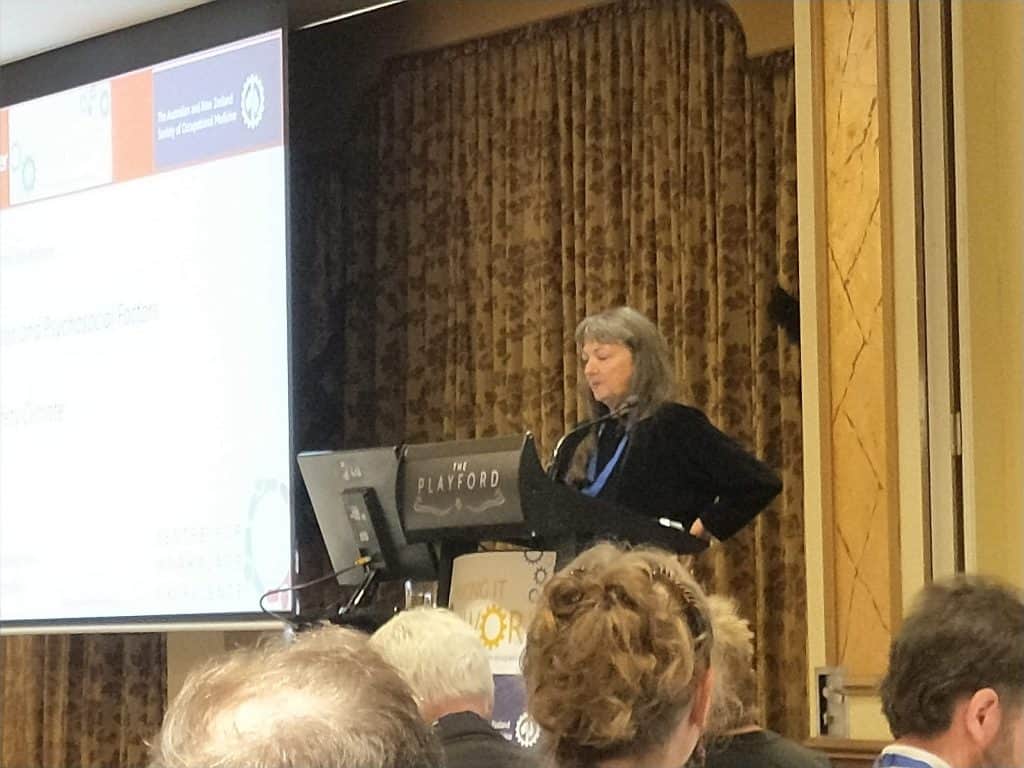
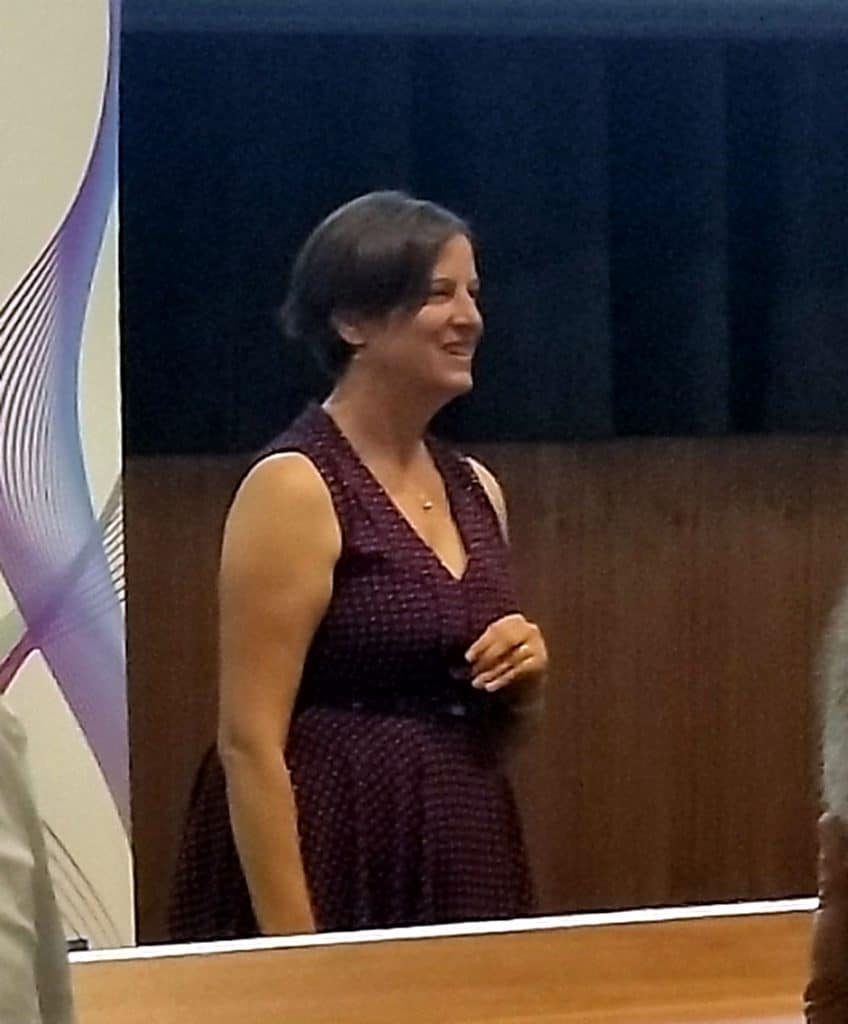
Professor Maureen Dollard speaking at the 2019 ANZSOM Scientific Meeting in Adelaide

At the recent scientific meeting of the Australia and New Zealand Society of Occupational Medicine in Adelaide, prominent academic, Professor Maureen Dollard, introduced a much- needed element of political science into her presentation which was titled “Work Organisation and Psychosocial Factors”. SafetyAtWorkBlog was able to ask Dollard, and fellow presenter Professor Sally Ferguson, about this political context.
Subscribe to SafetyAtWorkBlog to continue reading.
Subscribe Help
Already a member? Log in here

Innovation rather than complaints needed on safety

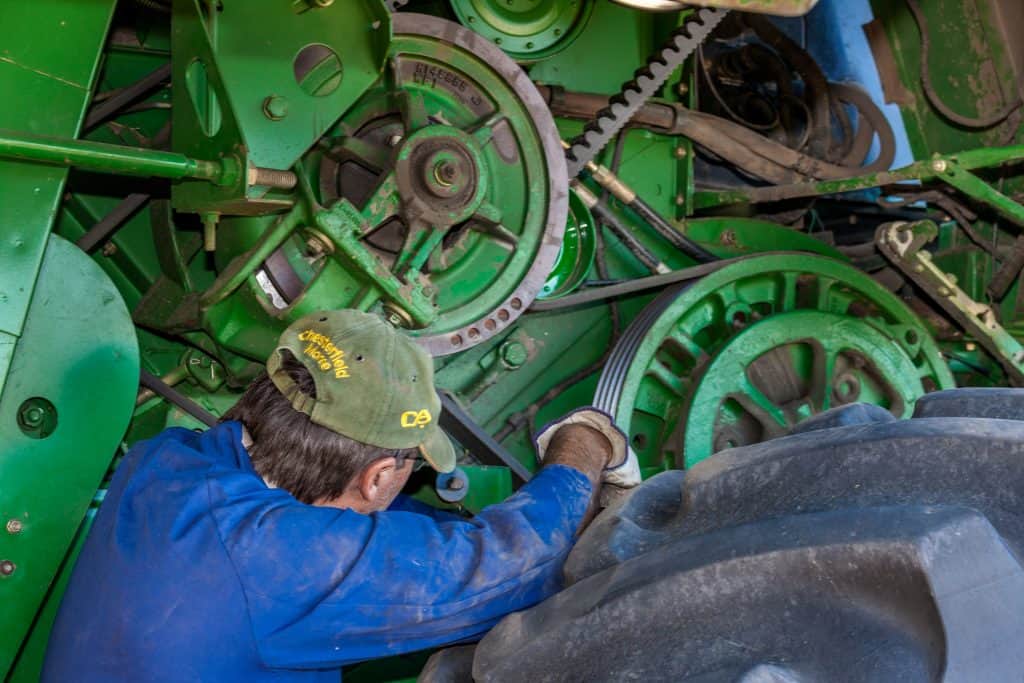
Moree, Australia – November 25, 2010: A farmer performs a maintenance routine on his John Deere combine harvester in Moree a major agricultural area in New South Wales, Australia.

The Victorian “Labor” Government has submitted its Workplace Manslaughter legislation to its Parliament. Debate is likely to begin, in earnest, from November 12, 2019. There were several surprises on which various business associations have expressed concerns, one surprise was that businesses seem to have been ignored by the government.

In many ways, the challenges are less about the legislation than what those business associations plan to do about occupational health and safety themselves.

Subscribe to SafetyAtWorkBlog to continue reading.
Subscribe Help
Already a member? Log in here

New Zealand leads on wellbeing

A couple of months ago, SafetyAtWorkBlog mentioned New Zealand’s Wellbeing Budget. Last week a representative of the NZ Treasury, Ruth Shinoda, spoke about it from direct experience in Melbourne at the 7th Global Healthy Workplace Summit. The Wellbeing Budget and a complimentary Living Standard Framework provide important contrasts to how Australia is valuing the healthy and safety of its citizens and workers.

Subscribe to SafetyAtWorkBlog to continue reading.
Subscribe Help
Already a member? Log in here

New book on a neglected area of OHS research

Helen Lingard and Ron Wakefield have published one of the few books to look at how occupational health and safety (OHS) is structured and managed in government-funded infrastructure projects in Australia. Their new book, “Integrating Health and Safety into Construction Project Management” is the culmination of over a decade’s research into this area. The book is both a summary of that research and a launching pad for designing OHS into future infrastructure projects.

Subscribe to SafetyAtWorkBlog to continue reading.
Subscribe Help
Already a member? Log in here

OHS of work vehicles starts to get national attention

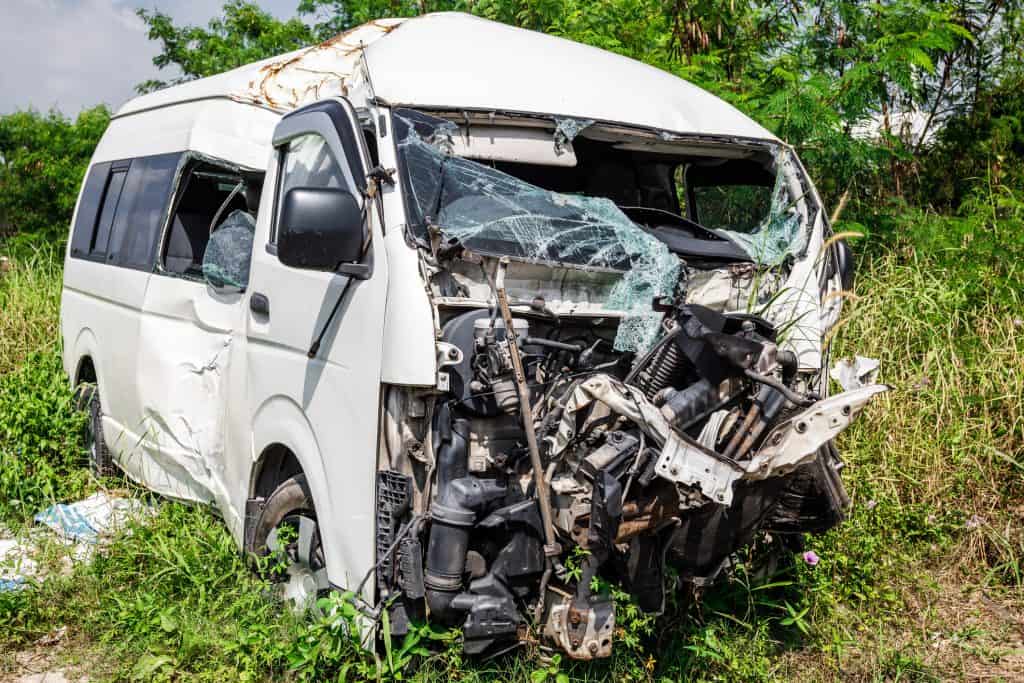
One of the the most ignored areas of occupational health and safety (OHS) is the light commercial and fleet/company vehicles. This is changing in Australia, partly, because the former head of the Transport Workers Union, Tony Sheldon is now a Senator.

In Senate Estimates on October 23, 2019 (page 117 onwards), Senator Sheldon challenged the heads of Safe Work Australia on workplace vehicle safety. He posed a scenario in relation to the collection of injury/incident data:

“If you’re a truck driver and you’re operating for, say, a major retailer and you’re contracted to a transport company and your contract is as an owner-driver—you own your own rig—and you get injured whilst you’re out on the road and you get seriously injured, under what circumstances would that be included and under what circumstances would it not be included in your statistics for serious injury?”

Continue reading “OHS of work vehicles starts to get national attention”

Annual Reports are not as transparent on OHS performance as they could be

Around four or five years ago, occupational health and safety (OHS) reporting in Corporate Annual Reports was a hot topic as Australian research had indicated that Annual Reports were not revealing sufficient, or useful, OHS data. Also awards were being presented for the best OHS reporting in Annual Reports. SafetyAtWorkBlog has looked at a sample of the reports released by the Victorian Government over the last fortnight to see what OHS information is available.

Two major keywords were used to search the Annual Reports – “Safe” and “Well”. These words form the stemS of other search terms such as “safety” and “wellbeing” or “wellness”. Each of the word responses were looked at for a focus on workplace or work-related activity. Although public safety may have an increasing OHS context, public safety, and a range of other “safeties”, were not included.

Some Annual Reports were okay, others? Egh! But what is clear is that there is no excuse.

Subscribe to SafetyAtWorkBlog to continue reading.
Subscribe Help
Already a member? Log in here

OHS in politics this week

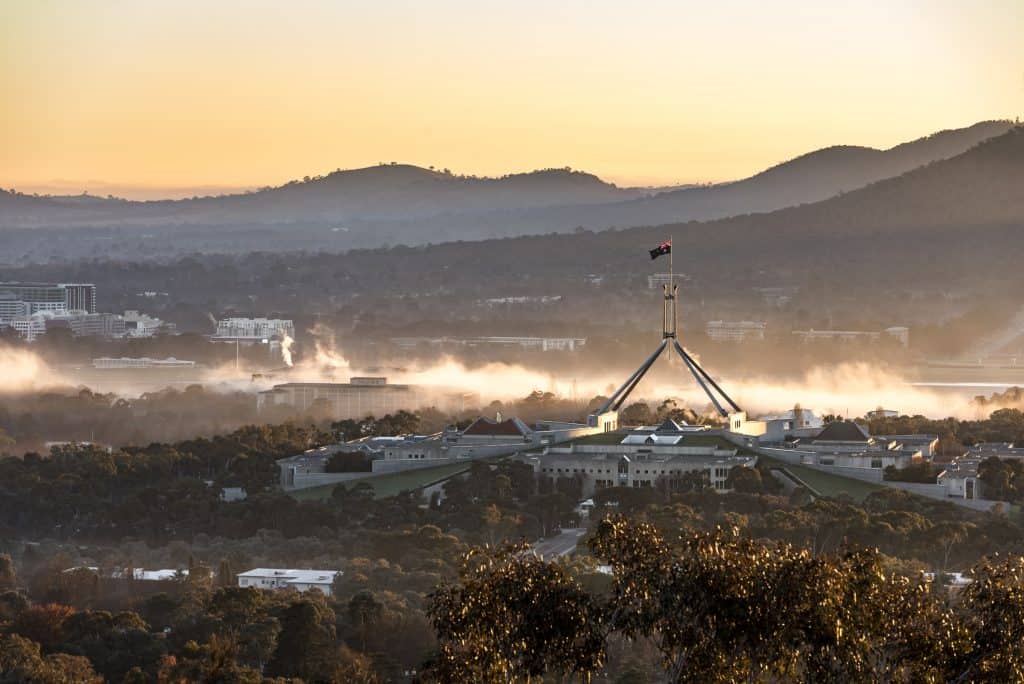
Foggy Winter Morning,Aerial view of the Parliament House Canberra,taken at Red Hill Lookout, Canberra,Australia.

Occupational health and safety (OHS) popped up in the Australian Parliament this week in odd, oblique ways. OHS was tied to

  • asbestos imports,
  • the Ensuring Integrity Bill,
  • a construction company owner in Western Australia, and
  • sexual harassment.

Question and Answers

On September 19 2019 several questions were put about the importation of asbestos containing products. The Government through the Home Affairs Minister, Peter Dutton, advised that:

Subscribe to SafetyAtWorkBlog to continue reading.
Subscribe Help
Already a member? Log in here
Concatenate Web Development
© Designed and developed by Concatenate Aust Pty Ltd