
Safe Work Australia has responded to the request for comment on their recent amendments to the psychologically health workforce guidance.
Category: Premium
OHS barriers and opportunities
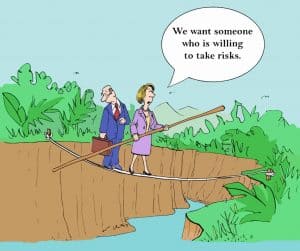 One of the common questions I am asked, usually face-to-face rather than online curiously, is what changes I would suggest for improving occupational health and safety (OHS). Following on from the broad perspective thesis by Dr Clare Tedestedt George, here are some of my thoughts.
Entrenched workplace cultures
Workplaces and industry sectors have established rigid norms, work practices, expectations, and a culture, that are no longer considered as safe and healthy as they were intended to be. This has happened due to the economic demands of neoliberalism, the (fake) empowerment of the individual and after years of weakness and neglect by the OHS profession and regulators.
AS/NZS ISO45001:2018 status update
Australia, as are many other countries, is in the transition phase for the latest Standard for Occupational Health and Safety Management Systems – ISO45001. The Standard has been accepted by Australia as relevant to its jurisdiction and discussion seem quiet. However, the work of the technical committee on this Standard (SF-001) continues. The Head of the Delegation for Standards Australia responsible for the 45001 series of Standards, David Solomon, provided the following status update.
ISO (International Organization for Standardization) has formed a new International Technical Committee (TC283) that has been charged with the responsibility of developing the following standards that are in the suite of international Standards that ISO45001 leads.
Banking Royal Commission and corporate culture
Occupational health and safety (OHS) has come late to seeing its operations as part of the organisational culture of Australian businesses. Its realisation started with an assertion of a “safety culture” that operated in parallel with regular business imperatives but often resulted in conflict and usually on the losing side. OHS has matured and become less timid by stating that OHS is an integral part of the operational and policy decision-making.
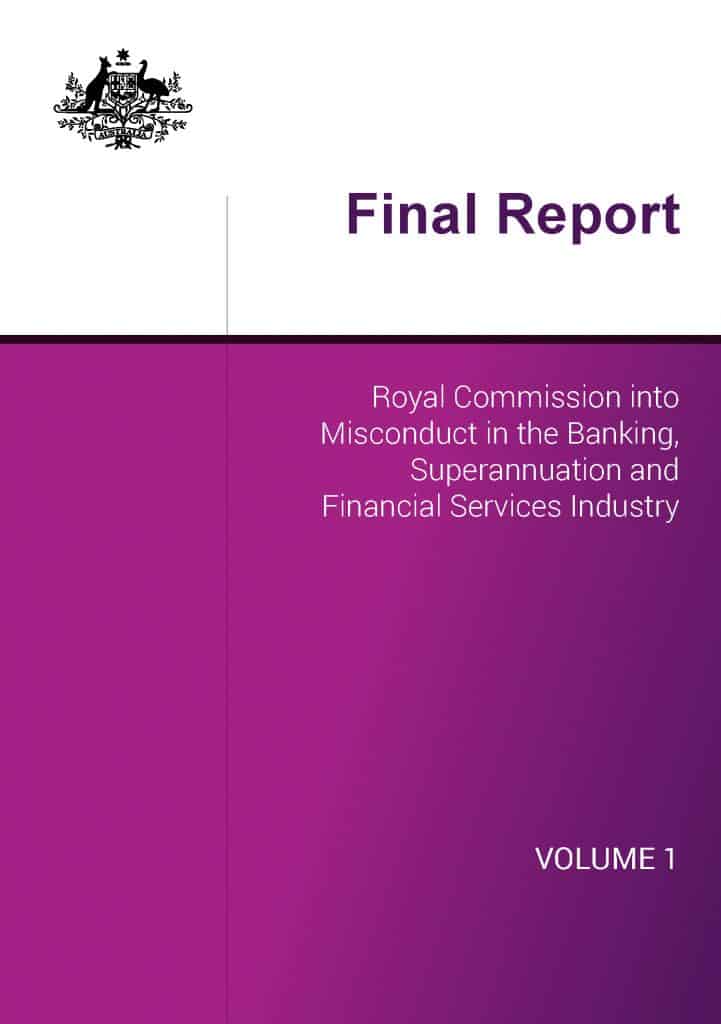
Some of that business leadership that was admired by OHS and many other professions existed in the banking and finance sector which has received a hammering over the last two years in a Royal Commission. That investigation’s final report was released publicly on 4 February 2019. The report reveals misconduct, disdain, poor regulatory enforcement and a toxic culture, amongst other problems. The OHS profession can learn much from an examination of the report and some of the analysis of that industry sector over the last few years.
More than warm lettuce needed on Industrial Manslaughter laws
Applying the most effective way to have companies comply with their occupational health and safety (OHS) obligations has been debated in Australia and elsewhere for years. The issue will arise again in 2019 and in relation Industrial Manslaughter laws as Australian States have elections, or the political climate suits.

There are several elements to the argument put by those in favour of Industrial Manslaughter laws. Workers are still being killed so the deterrence of existing OHS laws has seen to have failed. Deterrence has been based on financial penalties and workers are still being killed so financial penalties have failed. Jail time is the only option left.
This is a simplistic depiction of the argument, but it is not dissimilar to some of the public arguments. The reality is that deterrence is achieved in two ways – telling the person of the consequences of an action and enforcing those consequences.
Heat
The occupational risks of exposure to excessive heat have usually been assessed in remote locations in Australia, and almost exclusively for outdoor workers. The changing environmental conditions, regardless of the global cause, are changing the risk assessment of heat for outdoor workers and, increasingly, indoor workers such as those in food production or kitchens.

Recently Safe Work Australia released a seminar online which discussed the issue of heat in the occupational health and safety (OHS) context.
The panel discussion operates from the perspective of what can be done rather than what could be done and remains within the occupational context. Professor Dino Pisaniello mentioned his recent research into the issue, which looks like it was meant to be the focus of this seminar and which found:
The mental health “one in five” statistic examined for validity
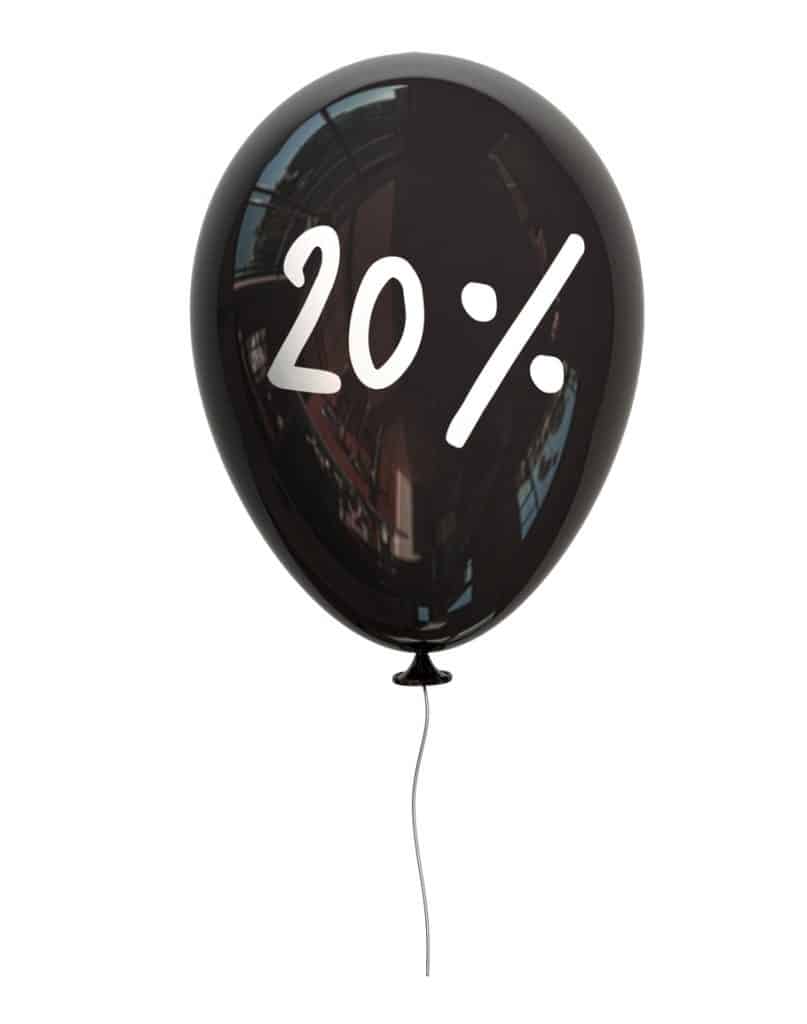
This blog has a policy of linking to source documents wherever possible. Recently I investigated the origin of the statement and its variations:
“In a 12 month period, 20 per cent of Australians will experience a mental health condition.”
Clarity on this is going to be important as Australia has several formal inquiries relating to mental health and this statement often crops up in strategy documents and policies related to occupational health and safety (OHS).