Why don’t employers pay attention to psychological harm?

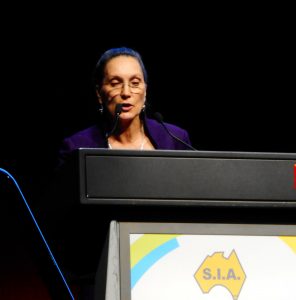
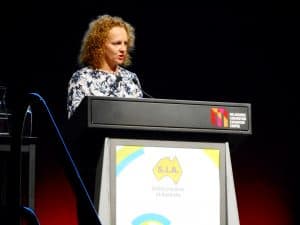
The Safety Institute of Australia (SIA) is an active supporter of Safe Work Australia‘s (SWA) recent attention to the risks of psychosocial hazards in the workplace.  On 10 April 2018, the SIA reiterated this support and its anticipation of a new SWA guide on the issue but the media release  includes a statement that may be a little too polite towards employers and not sufficiently inquisitive about the safety professional’s role.

The CEO of the SIA,

Subscribe to SafetyAtWorkBlog to continue reading.
Subscribe Help
Already a member? Log in here

Humour, bystanders and safety

Effective consultation is a core element of building a functional safety management system in any workplace.  This involves talking and listening.  Various occupational health and safety (OHS) regulators have pushed this point in the past usually with static images of mouths and ears but WorkSafe New Zealand has released a series of videos in support of its existing”How you can use your mouth” campaign.  Thankfully WorkSafeNZ has taken a leaf from the Air New Zealand book and used humour.

Of particular interest is the brief but importance emphasis on the role of the ethical bystander.

https://youtu.be/98bBsAwTR8c

Subscribe to SafetyAtWorkBlog to continue reading.
Subscribe Help
Already a member? Log in here

OHS needs a Benchbook too

Australia’s Fair Work Commission (FWC)  has released the latest (March 2018) edition of its Anti-Bullying Benchbook.  This is a regularly published document that offers background to its decisions and definitions used by the FWC through case studies and plain-English explanations.  The Benchbook clearly states that any occupational health and safety (OHS) issues are to be directed to the relevant OHS regulator but the book provides useful insight to a more (and limited) industrial relations approach to workplace bullying.

A major attraction of the

Subscribe to SafetyAtWorkBlog to continue reading.
Subscribe Help
Already a member? Log in here

Safety satisfaction survey surfaces in Safeguard

Australia’s independent review of the work health and safety laws is handicapped by performance criteria not being included in the original harmonisation process.  This lack of forethought is not unique and many infrastructure projects, in particular, fail to include research opportunities and priorities in the design of the project.  These omissions provide more significance to surveys of occupational health and safety (OHS) perceptions such as the report that was released (not yet available online) this week by Safeguard magazine in New Zealand and will feature in the magazine’s next edition.

The survey is based on responses from over 900 people and is the third annual

Subscribe to SafetyAtWorkBlog to continue reading.
Subscribe Help
Already a member? Log in here

Sexual harassment Code developed in isolation

Screen Australia has released its sexual harassment code of conduct.  If any film project in Australia desires government funding it will need to comply with this Code.  The Code is a good starting point and will need support from a broad range of elements of the entertainment industry but this Code is indicative of problems with many such codes that see the issue as a legal one rather than a safety and cultural one.

Subscribe to SafetyAtWorkBlog to continue reading.
Subscribe Help
Already a member? Log in here

iWitnessed tool holds promise for workplace safety

On April 3, 2018, the University of Sydney launched a new app

”to assist victims and witnesses record information in a way that can help with convictions and prevent miscarriages of justice”.

This immediately sparked my interest in using the app as a record of workplace incidents.

iWitnessed is intended as a tool to assist a person’s memory when confronted by an incident or a traumatic event.  The app steps you through the basic evidence-gathering questions of what happened, where, when, who was injured etc.  

Subscribe to SafetyAtWorkBlog to continue reading.
Subscribe Help
Already a member? Log in here

Robotics may cause an apocalypse if you’re male, old and low-skilled

Australia’s Office of the Chief Economist has released its first Industry Insights document for 2018.  This one focusses on flexibility and growth and included this statement in the chapter written by Andrew Charlton, a Director, of AlphaBeta :

“At the macroeconomic level, much of this change has been positive. The economy has created new jobs that are, on average, better paid, more satisfying and safer than the jobs that were lost.” (page 19)

Safer jobs? The last claim sent me to the source of the data – 

Subscribe to SafetyAtWorkBlog to continue reading.
Subscribe Help
Already a member? Log in here
Concatenate Web Development
© Designed and developed by Concatenate Aust Pty Ltd