
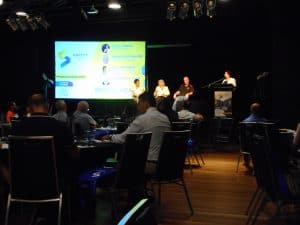
 Small regional conferences often work better than major city-based conferences as the atmosphere is more relaxed, delegates are more approachable and there is less pressure to attend some grand trade expo.
Category: Premium
Australian safety group calls for a Code of Practice on psychosocial risks
 The Safety Institute of Australia (SIA) is making serious efforts to increase its relevance to Australia’s occupational health and safety (OHS) profession and the broader community. Around International Women’s Day, the SIA released a media statement calling for action on workplace bullying, harassment and abuse.
Concerns over ISO45001 voiced but no details provided
 The publication date for the first truly international Standard on occupational health and safety (OHS) management systems, ISO45001, the rhetoric is heating up in Australia.
How bad is workplace mental health and what can be done about it
 The recent RTW Forum in Melbourne had one speaker who analysed the workers compensation data for mental health claims. Dr Shannon Gray was able to draw some clear statements on workplace mental health from Australia’s national claims data and provide clues on what the workplace safety profession needs to do to reduce psychological harm.
Gray and other speakers at the forum had access to a lot more data than has been available in the last few decades and they, rightly, continued to stress caution in analysis.
Safety in Work-For-The-Dole gets a hammering
 Journalist Alice Workman drew social media’s attention to a dismissive answer by Australia’s Minister for Small and Family Business, the Workplace and Deregulation, Craig Laundy in Parliament last week. Laundy was asked by the Opposition Labor Party’s Ed Husic about a workplace fatality report and the safety performance of the Work-For-The-Dole scheme. The discussion provides a glimpse into the politics of occupational health and safety (OHS).
According to
Perhaps EAPs need to evolve more
 Last month a provider of Employee Assistance Programs (EAPs) circulated a media statement about a new health and wellbeing model that
“captures the essence of the shift towards holistic health and wellbeing for employees.”
This sounds positive and given the increasing emphasis on the prevention of harm from occupational health and safety (OHS) regulators and the evolution of organisational culture, SafetyAtWorkBlog approached
Safety insights from Return-To-Work Forum
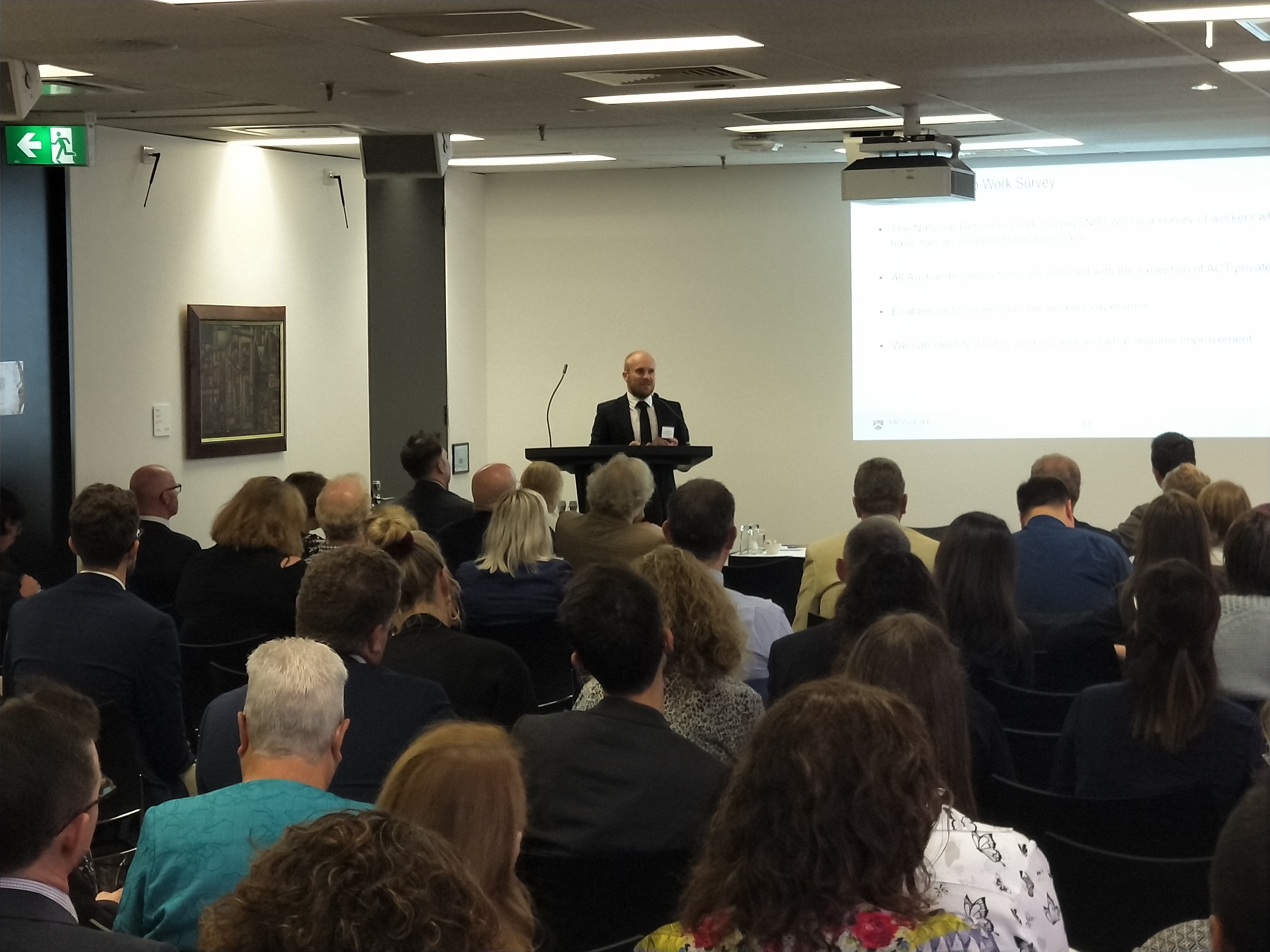 A lot of statistics were presented at a workers’ compensation research seminar in Melbourne on 1 March 2018. Monash University’s Insurance Work and Health Group provided a useful perspective on return-to-work matters with several points relevant to occupational health and safety (OHS).
Both Professor