
In support of World Mental Health Day, SafetyAtWorkBlog has opened access to several mental health and suicide prevention articles for a limited time.
Category: depression
New evidence of mental health effects on the relatives of deceased workers
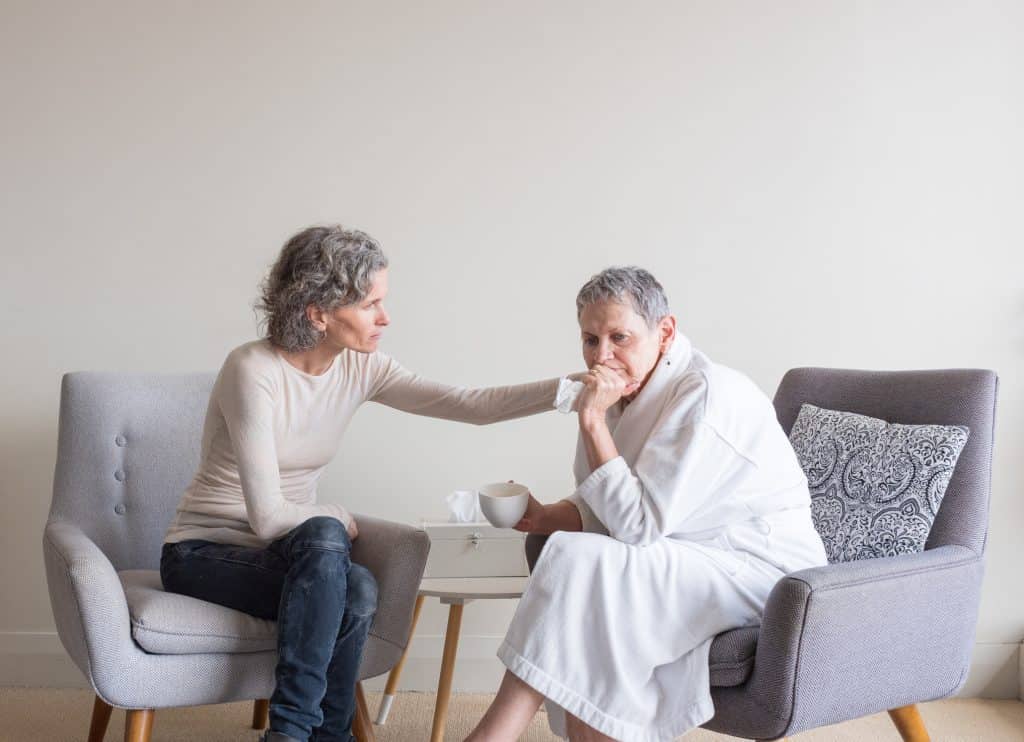
Australian seems to be leading in the investigation of the (secondary) familial and social impacts of work-related death. New research from Lynda Matthews, Michael Quinlan and Philip Bohle to be publicly released soon focused on the mental health of bereaved families after a relative’s death. They found
Continue reading “New evidence of mental health effects on the relatives of deceased workers”“At a mean of 6.40 years post-death, 61 percent of participants had probable PTSD (Post Traumatic Stress Disorder), 44 percent had probable MDD (major depressive disorder), and 43 percent had probable PGD (prolonged grief disorder).”
International healthy workplace conference
The wave of workplace wellness cannot be avoided but wellness is only part of achieving safe and healthy workplaces. At the end of October 2019 Melbourne is hosting the 7th Global Healthy Workplace Awards and Summit at Monash University.
Occupational health and safety (OHS) often accuses workplace wellness advocates of providing symptomatic relief instead of addressing issues that cause the un-wellness in the workplace. However the October summit seems to offer deeper analysis on both these perspectives and in the broader context of healthy workplaces.
Continue reading “International healthy workplace conference”Interesting but not representative
The Australian Council of Trade Unions (ACTU) released the results of its latest occupational health and safety (OHS) survey. In past surveys respondents have been trade union members. This survey was opened to non-union members, but to what extent is unclear but this has not stopped the ACTU speaking of the respondents as workers rather than workers who are all union members.
This differentiation is important. In the 1990s when union membership was much larger, the argument that the survey results were representative of Australia’s workforce was stronger although still debatable. Representation is harder to claim now with union membership being well below 20% overall and below 10% in the private sector.
Suicide prevention at Victoria’s Royal Commission
The Royal Commission into Victoria’s Mental Health System began the first of a couple of days focusing on suicide prevention by reminding the audience that there are three kinds of interventions:
- Universal – population level wellness
- Selective – those who have suicidal thoughts and behaviours
- Indicated – those who are engaging in suicidal behaviour
Occupational health and safety (OHS) concerns about harm prevention overlap with each of these to some extent, but the approach with the most opportunity for the prevention of harm is likely to be in Universal intervention. SafetyAtWorkBlog looked for discussion of work-related harm and interventions in yesterday’s Public Hearings.
Happy Sad Man – men’s mental health
Last week I mentioned two work-related films at the Melbourne International Film Festival. Tomorrow’s Castlemaine Documentary Film Festival is screening Happy Sad Man a film about the mental health of Australian men. There is an overlap with work-related mental health, especially farmers, so I’ve bought my ticket.
Identifying work-related mental health

Recently the Medical Journal of Australia published new guidelines for general practitioners (GPs) on how to identify work-related mental health conditions (MHC). This is vital information as GPs are often the first opportunity where mental health conditions can be identified or confirmed. It also assists occupational health and safety (OHS) professionals by acknowledging the role of work in the positive and negative mental health of workers.