Trade unions offer alternative, more accurate(?) workplace death statistics

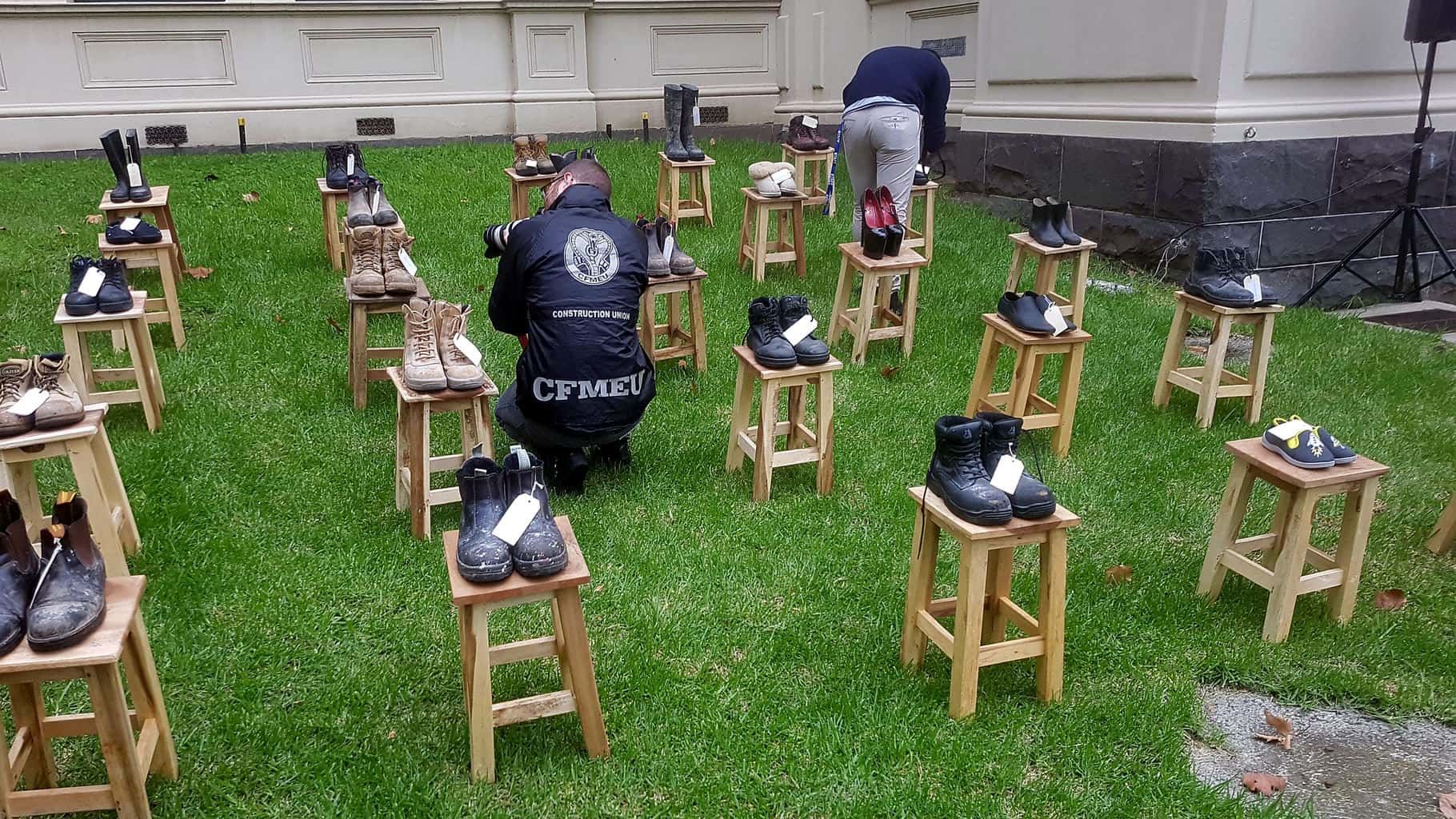
The Victorian Trades Hall Council (VTHC) indirectly acknowledged the ILO theme for World Day for Safety and Health at Work in its media release for International Workers Memorial Day 2017.  The ILO was calling for more, and better, data on workplace injuries and illnesses.  VTHC questioned the official workplace fatality numbers issued by the government.  It stated:

“A VTHC analysis shows that in 2016-17 over 200 Victorians died as a direct result of Workplace injury or illness, although the government’s official tally for the year is just 26.”

This disparity needs to be discussed across jurisdictions because occupational health and safety (OHS) data has always been incomplete, a fact acknowledged by many government inquiries in Australia for many years.  
Subscribe to SafetyAtWorkBlog to continue reading.
Subscribe Help
Already a member? Log in here

Big business seminar adds to OHS knowledge library

The latest broadcast in Safe Work Australia’s Virtual Safety Seminar (VSS) series is aimed at the executive level of management and entitled “Why big business needs to lead work health and safety“. One of the attractions of the VSS is that Safe Work Australia is able to draw upon senior and prominent business leaders who do not often talk occupational health and safety.

This seminar included contributions from Diane Smith-Gander, Dean PritchardMarcus Hooke and was hosted by Jennifer Hewett.

Several important perspectives were discussed that would be helpful to the intended audience but there were also some comments that deserve contemplation.

Subscribe to SafetyAtWorkBlog to continue reading.
Subscribe Help
Already a member? Log in here

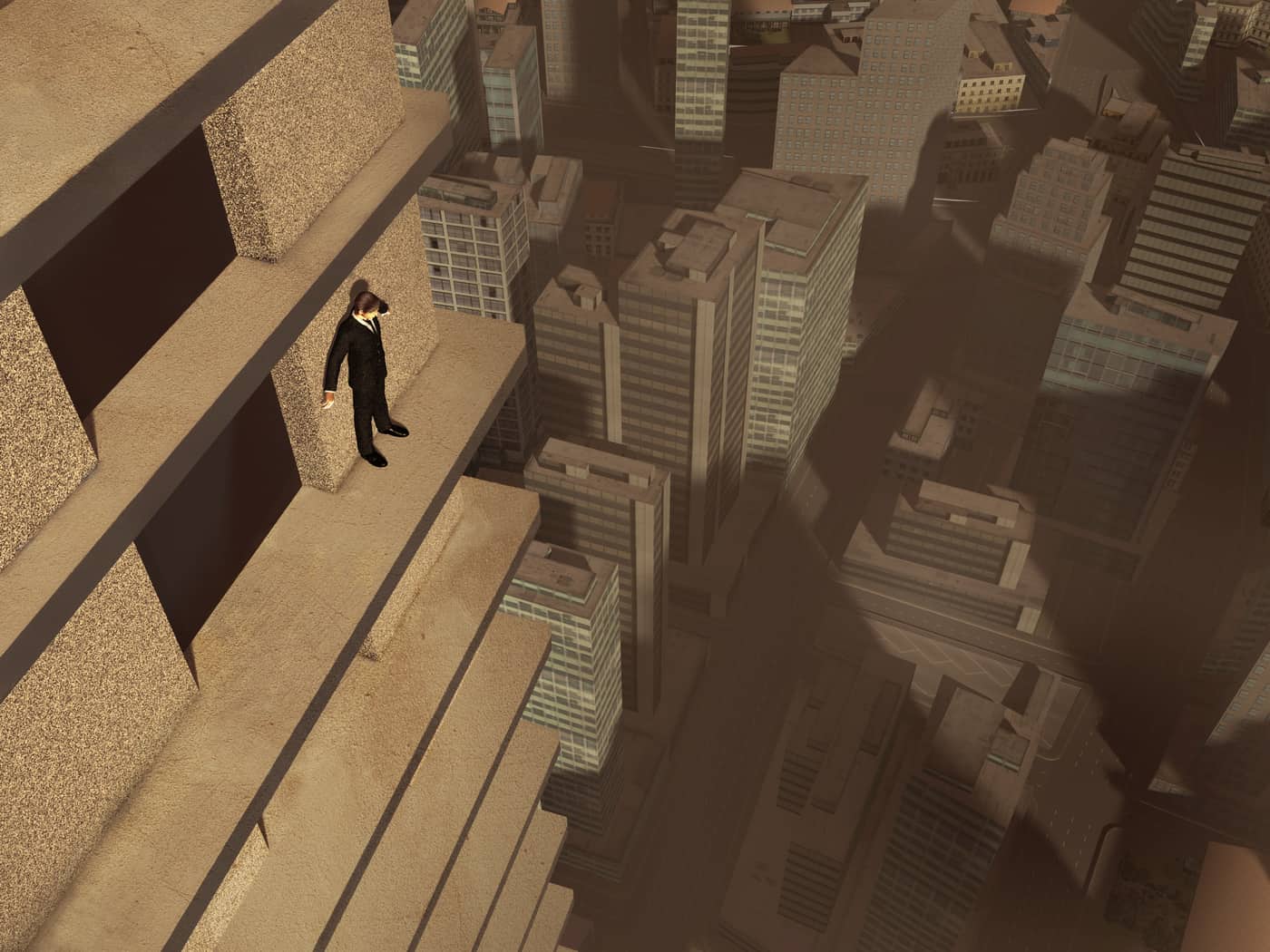
When Work Kills – new research on workplace suicides

There are many advocates of the importance of a mental health and wellbeing in workplaces.  But few of them address the worst-case scenario for workplace mental health of work-related suicides.  In some cases, the mental health advocates are overly cautious about even speaking the reality, which does not help reduce mental health stigma.

In 2016 Professor Stewart Clegg, of UTS Business School said that

“That work can kill the will to live is a fundamental ethical problem that we must attend to…”

New research from the UK provides a useful summary of the work-related and workplace suicides in Europe with important lessons of where precarious employment and the “gig economy” could lead.

Subscribe to SafetyAtWorkBlog to continue reading.
Subscribe Help
Already a member? Log in here

More books on the Christmas list

There were three books that I left off my Christmas/Summer reading list.  Each of them important for my occupational health and safety (OHS) professional development and personal curiosity.

cover-of-rethink001The first is Rethink – The Surprising History of New Ideas by Steven Poole. This books looks at what we think are new ideas and sees the precursors or the ideas’ previous appearances.  I was attracted to this perspective because I am seeing a lot of new ideas in OHS that are familiar and similar to what has come before.   Continue reading “More books on the Christmas list”

Firefighting mental health report leaked

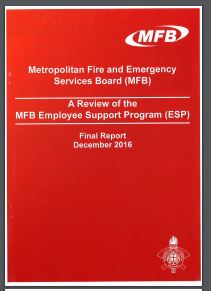
cover-of-mfb-mental-health-reportThe Herald-Sun newspaper has released the final report into the mental health and suicide rate of Victorian metropolitan firefighters.

The report, authored by Dr Peter Cotton, found that the issues uncovered in the review of firefighters in the Metropolitan Fire Brigade (MFB) are not dissimilar from the findings of other inquiries into emergency service organisations like the police or the ambulance service.  

Subscribe to SafetyAtWorkBlog to continue reading.
Subscribe Help
Already a member? Log in here

Work-related suicides in another militarily-structured organisation

Australia’s emergency services have had several reviews into accusations of workplace bullying, harassment, mental health or suicides. Melbourne’s Metropolitan Fire Brigade (MFB) is the latest to undergo this type of review but the United Firefighters Union (UFU) is not happy about the release of the final report, which was due out today.  If the final report is consistent, a dysfunctional safety culture will be found.

According to a report in the ABC news website, the review was

“…headed by clinical psychologist Dr Peter Cotton, who wrote a similar report for Victoria Police.” [link added]

SafetyAtWorkBlog readers may recall that an earlier article on psychologically healthy workplaces included this mention of Dr Cotton

“[Dr Chris] Stevens is not blind to the shortcomings of some of the trends in the area of psychologically healthy workplaces. He agreed that the modern workplaces and workers are subject to over-diagnosis of mental health issues and paraphrased some of the work of Dr Peter Cotton who estimated around 30% of workers compensation claims for psychological injury relate to low morale and not psychiatric diagnosis.”

Continue reading “Work-related suicides in another militarily-structured organisation”

Cabbage Salad and Drugs

Episode 6 of the Cabbage Salad and Safety podcast is now available with the discussion centring on drugs and alcohol issues at work. For those looking for information on drug and alcohol testing, this episode is not for you.  We thought that the testing issue is dealt with in many workplaces through legislative and regulatory matters and you have to comply with what you have to comply. Continue reading “Cabbage Salad and Drugs”

Concatenate Web Development
© Designed and developed by Concatenate Aust Pty Ltd