

The Australia Institute is a progressive (Left-leaning) research institute that recently commemorated its 30th anniversary with a book called “What’s the Big Idea?” Contributors are compatible with the Institute’s ideologies, but some chapters overlap with occupational health and safety (OHS).
Category: psychiatric

Psychosocial and psychological wisdom
LinkedIn is becoming similar to Facebook in some ways, but it still provides excellent interpretations of occupational health and safety (OHS) laws and important social perspectives. Below are two such posts, reproduced with permission from the authors Richard Coleman and David Burroughs. (I have asked Richard to write some articles exclusively for SafetyAtWorkBlog)

Disciplinary overlaps may help with worker engagement
There is a considerable overlap between organisational psychology, Human Resources and occupational health and safety (OHS), even though each has developed its own culture and language. People are just starting to acknowledge the overlap and trying to increase it.
One example of that overlap was on display in an interview with prominent podcaster Mel Robbins, who admitted that:
“The hardest thing about what I do is that oftentimes the advice and the tools sound dumb or repetitive…”

Our understanding of suicides is improving…..finally
[The following article discusses suicide]
In November 2024, Victorian Coroner John Cain said:
“”While our early research suggests that Victoria’s suicide rate has not increased overall, it is troubling that we continue to see no sustained reduction in lives lost.”
Cain has instigated a research program with the Melbourne School of Population and Global Health at the University of Melbourne to provide a better understanding of suicide trends and rates. An understanding supported and queried by an article (paywalled) in The Weekend Australia written by journalist Stephen Corby.
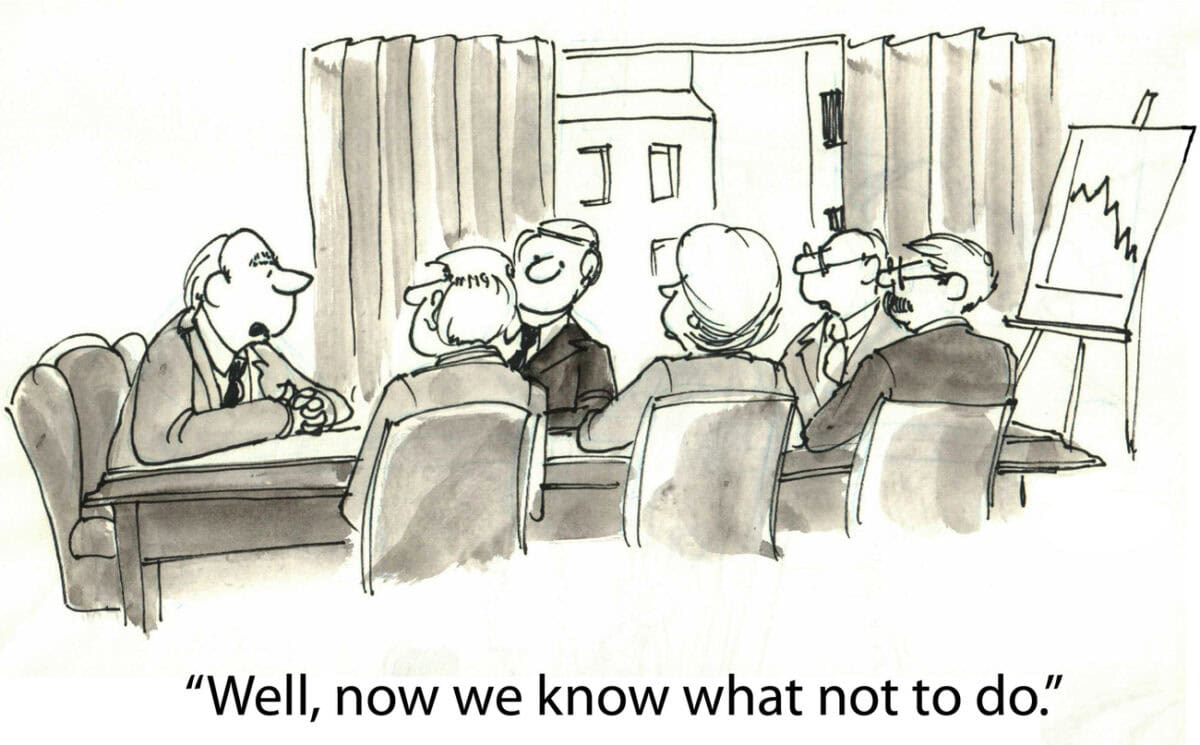
Plenty of what and how with a little bit of why
Psychosocial hazards are gaining attention online, but the pace of change remains sloth-like. Two recent online events provide good, basic occupational health and safety (OHS) and organisational psychology information and some insight into the slow pace.

Significant workplace culture investigation but OHS missed again
Australia’s news media is reporting a shocking report about the workplace culture of parts of the Nine Entertainment organisation – bullying, sexual harassment, abuse of power – all the elements of organisational culture that can be found in any company if one scratches the surface. Scratching is one of the aims of the occupational health and safety (OHS) discipline – investigating the causes of harm at the source.
A hopeful book about suicide and mental health
John Brogden‘s book Profiles in Hope sounds like it is about suicide, but it is about much more than that. His interviews with a broad group of Australians, some very prominent, say a lot about growing up, anxiety, depression, distress, trauma and, sometimes, suicide, but it is primarily about hope.
This is not a book about personal enlightenment or personal resilience, although some interviews touch on these issues. Thankfully, this book is not a wellness tome masquerading as marketing for soy candles, essential oils, corporate gullibility, and overpriced wilderness retreats. Though there is enlightenment, several interviews confront the reader.