
Already a member? Log in here
Category: psychosocial
Gender, buzzwords and safety/wellness knowledge
On 30 March 2016, Melbourne hosted a Workplace Wellness conference organised by Informa. (SafetyAtWorkBlog attended as a guest.) The reason for attending was to see how occupational health and safety (OHS) is growing, or needs to grow, to accommodate workplace wellness issues and how the wellness sector looks on OHS. Continue reading “Gender, buzzwords and safety/wellness knowledge”
Suicide Prevention Forum and Mental Health First Aid for workers
In March 2016, the Australian Bureau of Statistics released its latest figures into the causes of death. A lot of media attention was given to the figures showing an increase in the suicide rate. It found that
“Among those aged 15 to 44, the leading causes of death were Intentional self-harm (suicide)…”

On the day those figures were released, the
Where is work-related suicide in the Suicide Prevention Strategy?
 For all the discussion of workplace mental health, work-related suicide continues to receive little attention. Part of this is because unexpected fatalities are shocking and distressing, even more so when the deaths are the result of the worker’s own efforts.
Recently the
Just Culture and Restorative Justice
Sometimes it is better to read Sidney Dekker than listen to him. His presentation style is lively but his research and thoughts deserve more measured analysis than a conference or seminar presentation allows. A recent research paper, “‘Just culture:’ Improving safety by achieving substantive, procedural and restorative justice“, shows the advantage of reading over watching.
Sex Work regulations review safety obligations
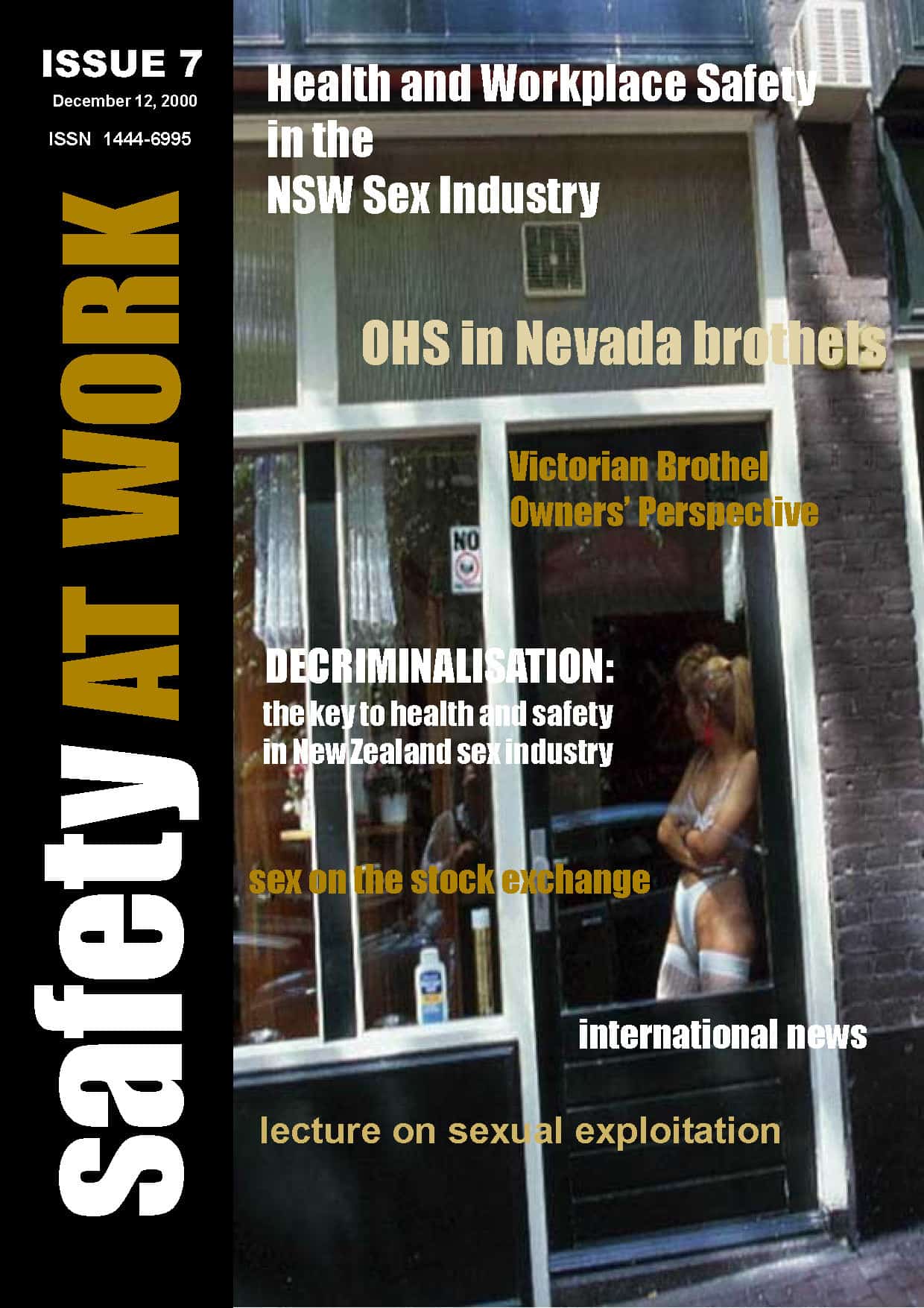
Consumer Affairs Victoria (CAV) is seeking public comment on some proposed revisions of the Sex Work Regulations. Several revisions specifically address workplace safety issues but also indicate out-of-date thinking on worker safety and safety management.
Victoria licences its brothels and, as such, the occupational health and safety (OHS) laws apply as they do to all workplaces. However, the regulators of the sex industry seem to perceive OHS usually in terms of sexual health and hygiene even though statistics have shown that these issues are low risk hazards. This perception has lasted well over a decade as this 2000 article from National Safety magazine shows. Continue reading “Sex Work regulations review safety obligations”
OHS cost research needs to stretch itself
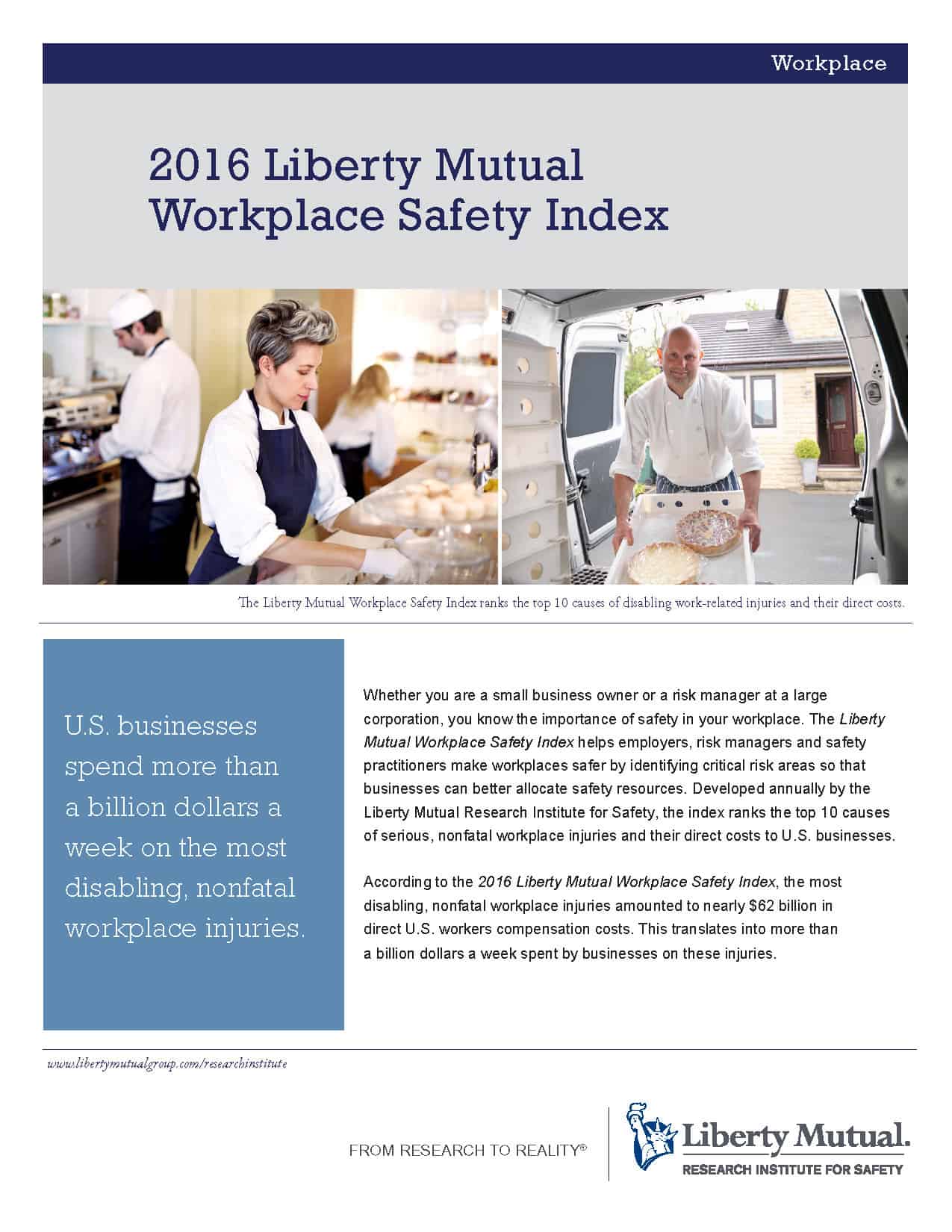 The annual workplace safety report Liberty Mutual Research Institute for Safety always gets a good deal of mainstream media attention. It deserves some of this attention as it has provided sound information on work-related injuries and injury costs for many years but it is now looking dated as it is not keeping up with current research in to the business case for safety, the move to leading indicators and the incorporation of psychosocial injuries (which are also covered by workers compensation). Continue reading “OHS cost research needs to stretch itself”