
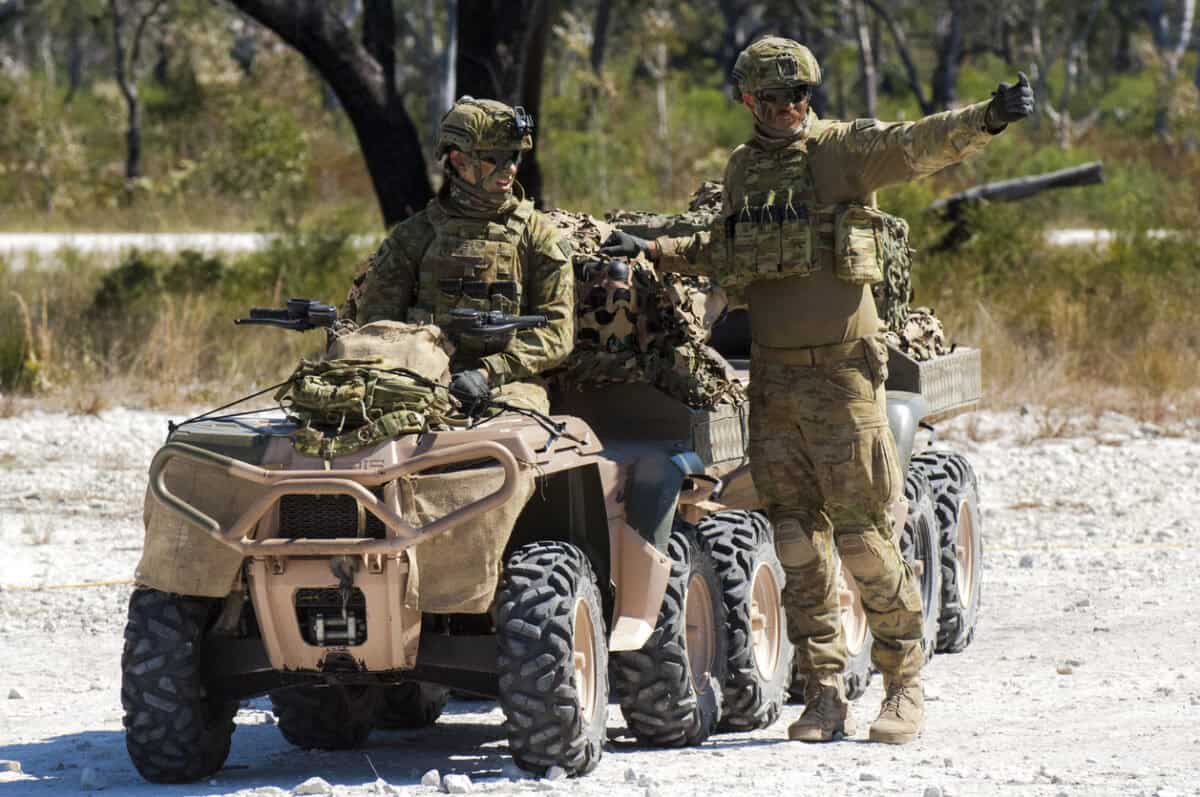
Senator Jacquie Lambie has been a staunch advocate for improving the occupational health and safety (OHS) of Australia’s defence force personnel. In 2022, she gave a confronting presentation to the Royal Commission into Defence and Veteran Suicide, and she continued her advocacy on day 1 of the 48th session of the Australian parliament by asking reasonable questions that could also be posed in non-military industries.
Category: psychosocial

Fear, Trust, and the Cost of Control
CCTV cameras on a cash register may deter theft due to the fear of consequences, such as discipline or dismissal, but they also communicate a lack of trust. If the aim is to prevent physical actions like theft, they work. But can they prevent occupational health and safety (OHS) breaches like sexual abuse in childcare centres?
Reading behind the rows of Australia’s injury dashboard – farm fatalities or poor choices?
Australia now has a Rural Media Farm Injury Dashboard, which shows the location of agricultural injuries and deaths from 2020 onwards. This is the type of publicly available information required to help reinforce an awareness of the dangers of farm work and demystify and destigmatise occupational health and safety (OHS) in this sector.
There are limitations, though, so one must be careful not to hyperbolise the data.
Note: This article mentions suicide.
Endorsing Exploitation? The Legal and Moral Blindspot in the Long-Hours Hustle
Recently, the Wall Street Journal (WSJ) published an extraordinary article that seems to endorse the exploitation of the mental health of workers. (Although the article is paywalled, it is getting a run in some local Australian newspapers) The article reports that companies like Shopify, Solace Health, and Rilla are bluntly marketing roles that involve extreme hours, a relentless pace, and minimal downtime.
One job post literally reads: “Please don’t join unless you’re eager to work 70 hours a week.”
If the job ads for these prominent North American companies were posted in Australia, the unsafe working conditions would likely be deemed illegal.
Confronting Union Thuggery that Undermines Workplace Safety
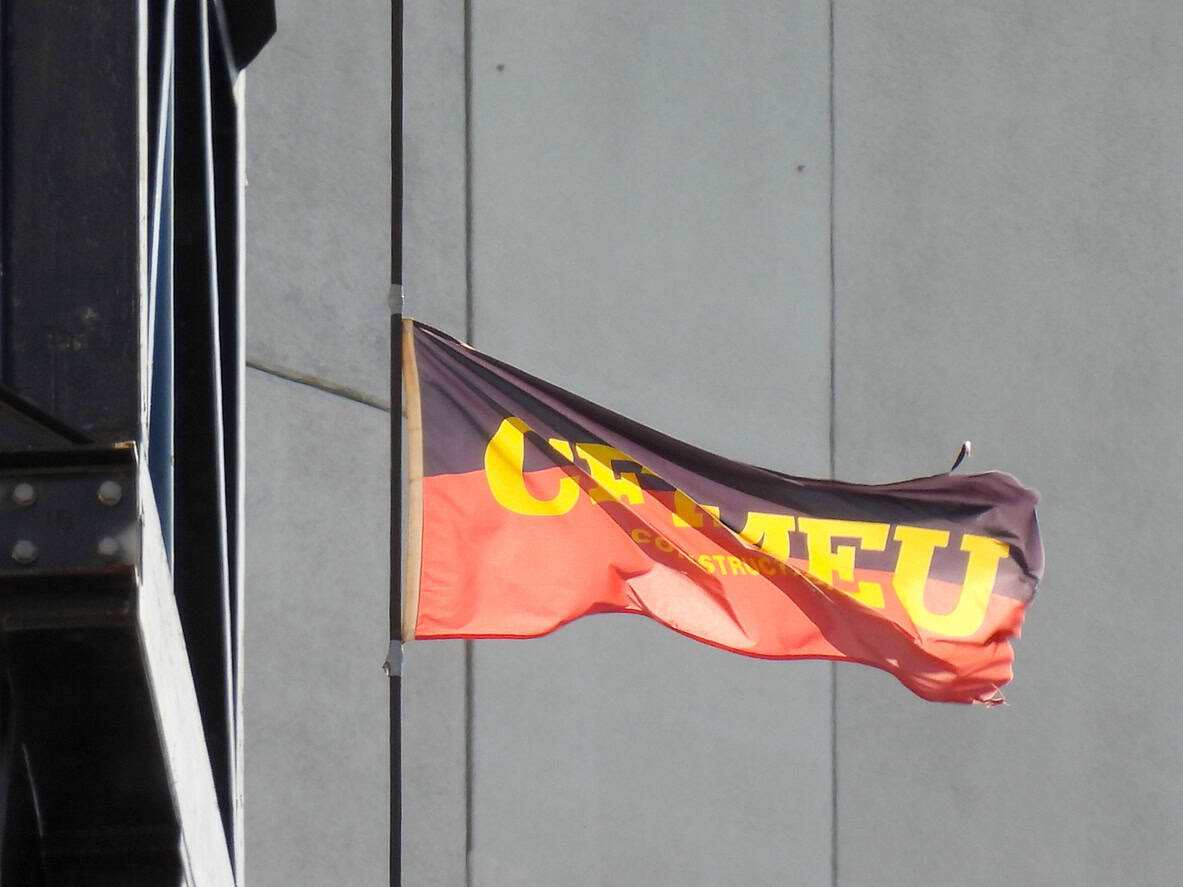
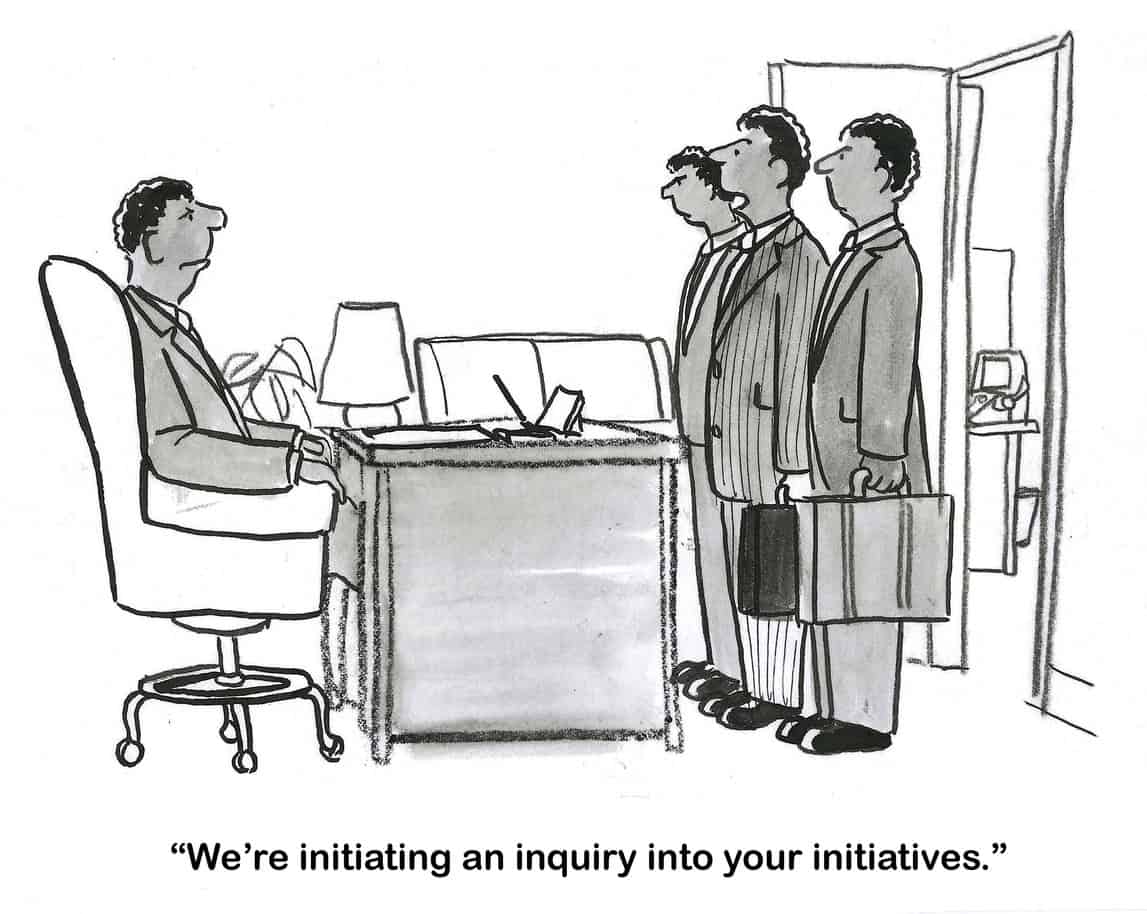
Militant construction unions in Australia have damaged the relationship between the community and the trade union movement. Although the typical trade union member may be a nurse, a teacher, or a public servant, most would depict a member as a big, aggressive, rude, and domineering man. Australia’s trade union movement is trying to redress this perception, but it cannot progress until it eliminates the unsafe behaviour of the organisers of the Construction Forestry Mining and Energy Union (CFMEU). The Queensland government is set to give reform a red-hot go.
Bananas, Bench Press, and Bull – A Health Program for the Already Healthy
Researcher William Fleming found that there is little evidence to support the claim that workplace wellness programs provide the health benefits typically promised. That research from a couple of years ago still resonates, but Fleming has continued to research corporate wellness programs and is broadening his discussion. The latest research paper, “Health lifestyles at work: availability, barriers and participation in workplace wellness”, is a deeper analysis of the social context of wellness programs and why employers use them.
Changing the Unchangeable? – Reforming Culture in the Australian Defence Forces
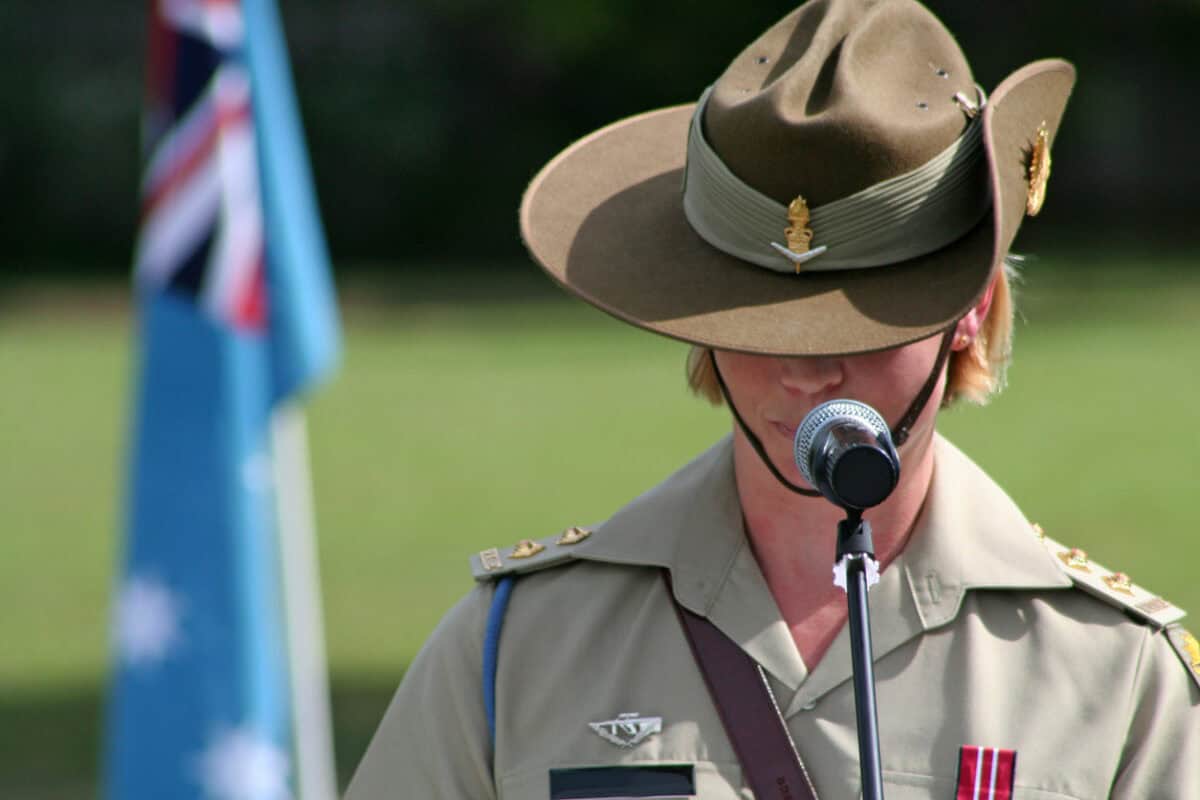
Many people in Australia are asking why any woman would consider a career in the military, given the considerable risk of sexual harassment, abuse and assaults. Occupational health and safety (OHS) and risk management disciplines often draw on many of the risk assessment processes and principles from the defence forces; however, there appear to be significant and intransigent risks in that sector.
Note: This article mentions suicide