Other OHS politics you might have missed

November 2022 was a very busy month of politics (and a football World Cup) which distracted many of us from our usual monitoring of OHS announcements. Below is a summary of some of those from the last couple of weeks.

The South Australian Parliament has sent its Work Health and Safety (Crystalline Silica Dust) Amendment Bill to the Parliamentary Committee on Occupational Safety, Rehabilitation and Compensation for inquiry and report.

Subscribe to SafetyAtWorkBlog to continue reading.
Subscribe Help
Already a member? Log in here

Will WorkSafe need to become a VicSafe to address climate change?

Occupational health and safety (OHS) professionals are largely aware of the latest international standard for OHS management systems, ISO45001. This is the core standard for businesses to assess their safe systems of work. Others will be aware of the supplementary guidance to ISO45001, like ISO45003 -guidelines for managing psychosocial risks at work.

Recently Phillipe KL Lai Choo spoke about some of the other OHS guidances due for release or development. One of those relates to climate change which could create unexpected changes to how OHS is regulated and enforced.

Subscribe to SafetyAtWorkBlog to continue reading.
Subscribe Help
Already a member? Log in here

Old working hours concepts persist as subtext in new debates

One of the most contentious occupational health and safety (OHS) elements of industrial relations negotiations is the issue of working hours. And one of the most effective ways to prevent physical and psychological harm is by talking about working hours. The evidence for harm from excessive and often unpaid hours is clear, but some assumptions crop up in the debate every so often.

Two recent books, one by David Graeber & David Wengrow and another by Daniel Susskind, offer reminders of these issues and are useful adjuncts to the Australian research on precarious work by Michael Quinlan, Phillip Bohle and others. ( A Guardian review of Graeber & Wengrow is available here with one from The Atlantic here, Susskind here and here)

Subscribe to SafetyAtWorkBlog to continue reading.
Subscribe Help
Already a member? Log in here

Will firewalking become the norm?

Occupational health and safety (OHS) will have little effect on reducing the pace of global warming. Still, OHS will definitely need to assist in changing how we continue to work in future weather extremes. SafetyAtWorkBlog has previously written about working in extreme heat, but a new multimedia report from the New York Times (paywalled) illustrates the challenges in some uncomfortable ways.

Subscribe to SafetyAtWorkBlog to continue reading.
Subscribe Help
Already a member? Log in here

You don’t have to talk about OHS to talk about OHS

On November 16 2022, Tony Burke, Minister for Employment and Workplace Relations, spoke at the National Press Club in Canberra. Although his portfolio has occupational health and safety (OHS), workplace health and safety was mentioned only once in passing. In this instance, that’s okay because he is trying to pass a major piece of industrial relations (IR) law. But some of his speech raised issues related to work or how businesses are managed, which do have important OHS contexts.

Subscribe to SafetyAtWorkBlog to continue reading.
Subscribe Help
Already a member? Log in here

Dunlop on psychosocial risks in law firms

Recently Maddocks law firm partner Catherine Dunlop spoke on the Lawyers Weekly Show podcast about psychosocial risks in the workplace. Although the podcast aims at legal practices, Dunlop’s comments and advice seem to apply to many white-collar jobs and professions.

Dunlop said that the discussion about psychosocial hazards at work has matured since the sexual harassment Respect@Work report and that:

Subscribe to SafetyAtWorkBlog to continue reading.
Subscribe Help
Already a member? Log in here

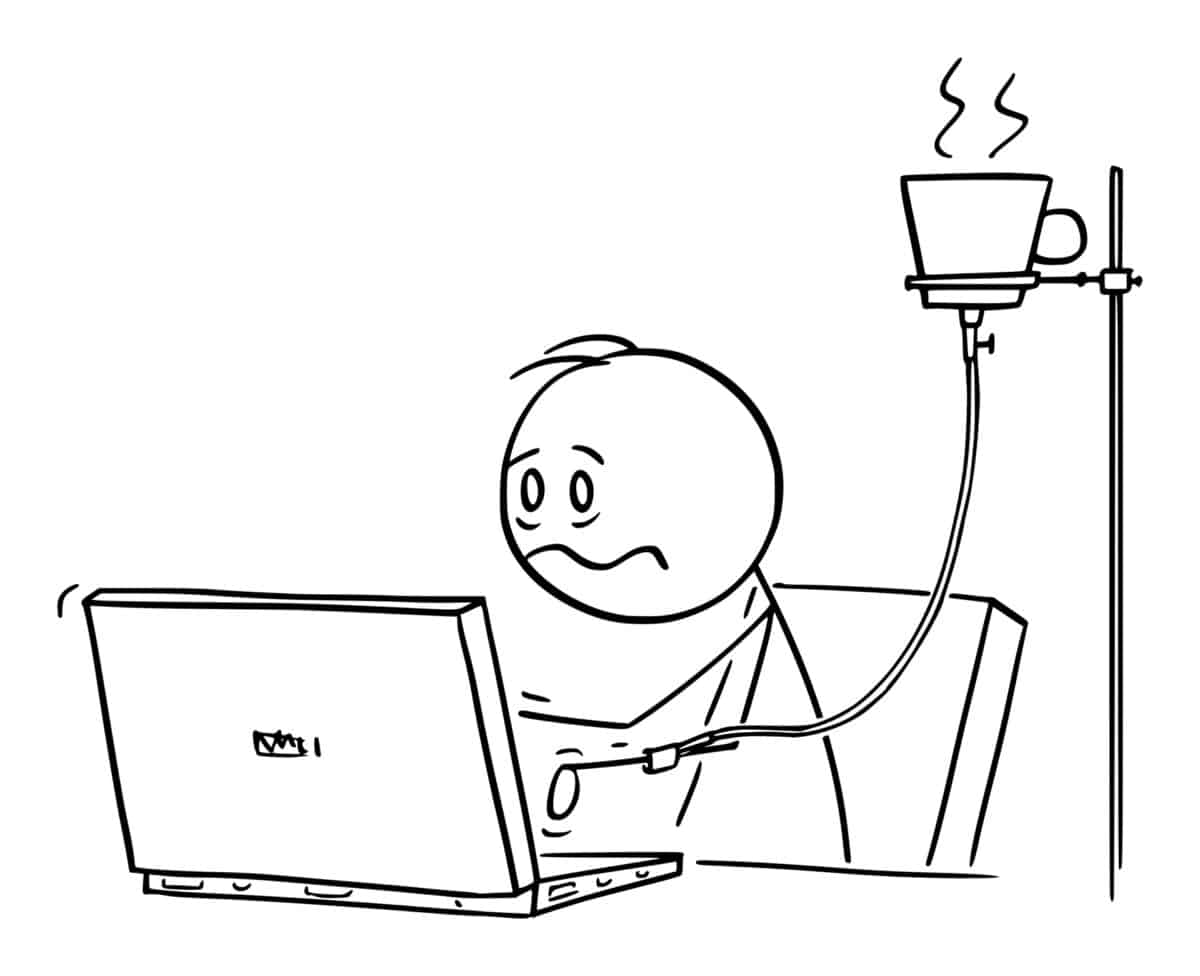
Stress dressed up as burnout

One of the impediments to a discussion about mental health at work is the discussion of burnout. There is little doubt that burnout is real, but often it is used as a synonym for mental illness, which is confusing workers and employers, making the prevention of psychosocial harm seem more complex than it is.

Recently a Sydney-based fintech company called Flare released a discussion paper or guide advising on how to manage burnout. It said:

Subscribe to SafetyAtWorkBlog to continue reading.
Subscribe Help
Already a member? Log in here
Concatenate Web Development
© Designed and developed by Concatenate Aust Pty Ltd