

Any new book from Sidney Dekker is worth reading. His latest is called “Safety Theater – How the Desire for Perfection Drives Compliance Clutter, Inauthenticity, and Accidents”. I am not sure that this book, the third in a series, offers solutions, but it reframes many of the contemporary perspectives on occupational health and health and safety (OHS), and with some intriguing connections.
Category: research
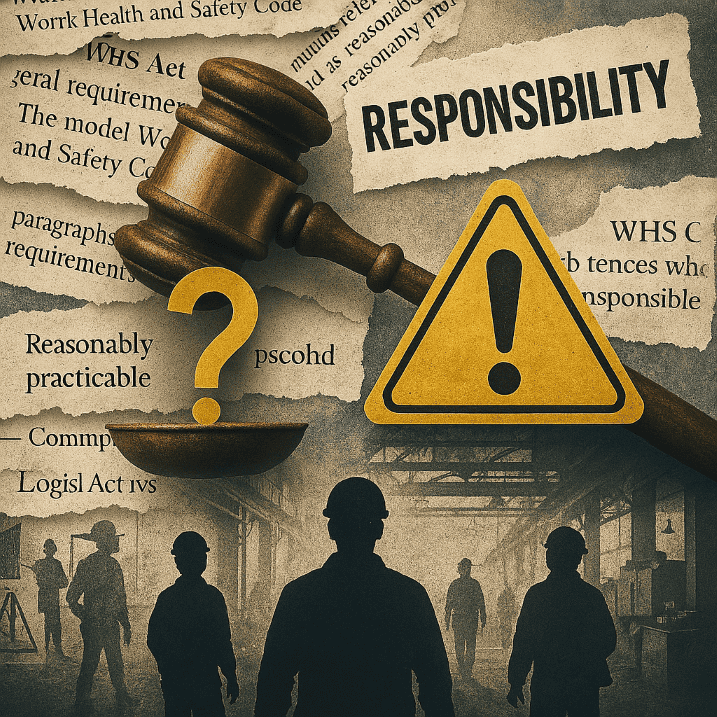
Reform or Reframe? NSW’s WHS Laws Tackle Liability, Not Prevention
The New South Wales (Labor) government has amended its work health and safety and industrial relations laws. These changes have been described as “substantial” in one legal opinion, but the changes reflect the management of company liability more than preventing harm.

Reading behind the rows of Australia’s injury dashboard – farm fatalities or poor choices?
Australia now has a Rural Media Farm Injury Dashboard, which shows the location of agricultural injuries and deaths from 2020 onwards. This is the type of publicly available information required to help reinforce an awareness of the dangers of farm work and demystify and destigmatise occupational health and safety (OHS) in this sector.
There are limitations, though, so one must be careful not to hyperbolise the data.
Note: This article mentions suicide.

Confronting Union Thuggery that Undermines Workplace Safety
Militant construction unions in Australia have damaged the relationship between the community and the trade union movement. Although the typical trade union member may be a nurse, a teacher, or a public servant, most would depict a member as a big, aggressive, rude, and domineering man. Australia’s trade union movement is trying to redress this perception, but it cannot progress until it eliminates the unsafe behaviour of the organisers of the Construction Forestry Mining and Energy Union (CFMEU). The Queensland government is set to give reform a red-hot go.
Bananas, Bench Press, and Bull – A Health Program for the Already Healthy
Researcher William Fleming found that there is little evidence to support the claim that workplace wellness programs provide the health benefits typically promised. That research from a couple of years ago still resonates, but Fleming has continued to research corporate wellness programs and is broadening his discussion. The latest research paper, “Health lifestyles at work: availability, barriers and participation in workplace wellness”, is a deeper analysis of the social context of wellness programs and why employers use them.

Retail Violence and OHS Blind Spots: Time to Rethink the Strategy
Occupational health and safety (OHS) is the central theme of this blog, but it is essential to remember that not all workplace health and safety actions are governed by a single set of laws or a single regulatory agency. Safety in the retail sector offers a good example.

Are EAPs Meeting Modern Workforce Needs?
It is clear from the emails I have received, as well as many of the comments on LinkedIn and other social media platforms, that the modern role of Employee Assistance Programs (EAPs) remains a contentious issue, as discussed below. One of the many issues, young workers’ perceptions of EAP, was addressed by Alena Titterton of Johnson Winter Slattery, who provides an important and different perspective on who uses EAPs: