Evaluating the effectiveness of OHS interventions and programs

Last month, an extraordinary document appeared – “Evaluating OH&S Interventions: A WorkSafe Victoria Intervention Evaluation Framework 2023 (2nd Ed.).” Its extraordinariness comes from its appearance with no fanfare or promotion; it is a second edition of something published in 2004 (which I cannot recollect), it has authoritative authors, and it is a document many have been asking for.

Subscribe to SafetyAtWorkBlog to continue reading.
Subscribe Help
Already a member? Log in here

Hazard over Harm?

The Australian Institute of Health and Safety has been dropping new chapters of its Occupational Health and Safety (OHS) Body of Knowledge for many years. The latest revised chapter is titled “Hazard as a Concept“. This process is a good way of keeping some OHS information fresh, but it could be fresher and have a broader knowledge base or even greater engagement with OHS professionals.

Subscribe to SafetyAtWorkBlog to continue reading.
Subscribe Help
Already a member? Log in here

WHO says burnout is occupational, but at least one psychologist says WHO is wrong

The cover story of the February 2024 edition of Psychology Today is less a story than a collection of short pieces on mental health and burnout. This blog may seem unfairly critical of much of the psychological discussion on burnout but this is largely because the World Health Organisation (WHO) has defined burnout as an occupational phenomenon and “is not classified as a medical condition”. The popular literature on mental health and its workplace context almost entirely overlooks these two elements – a literature that is often the first destination for people trying to understand their workplace distress. Sometimes, popular literature is unhelpful.

Subscribe to SafetyAtWorkBlog to continue reading.
Subscribe Help
Already a member? Log in here

The Spiritualism of HR

“Trust us” is one of the riskiest phrases anyone can use. It may be even riskier to accept it. In workplaces, it is often the start of a relationship, but it can also be the start of betrayal. Part of the risk in starting any new job is that new employees must accept their introductions in good faith, and most introductions are handled by the Human Resources department but is that faith misplaced? Recently, one socialist journal from the United States (yes, the US has a socialist sub-culture …. for the moment), Jacobin, included an article about HR in its religion-themed edition (paywalled).

Subscribe to SafetyAtWorkBlog to continue reading.
Subscribe Help
Already a member? Log in here

World Day of Health and Safety – Climate Change

The need for occupational health and safety (OHS) to adapt to the changing (deteriorating) global climate has long been discussed. This discussion may spike later this month with this year’s World Day of Health and Safety theme, the somewhat fatalistic “Ensuring safety and health at work in a changing climate“. Rather than look closely at the ILO global report on this issue, clearer discussion may be found in the latest edition of HesaMag with its special report on “Workers and the climate challenge” from the European Trade Union Institute.

Subscribe to SafetyAtWorkBlog to continue reading.
Subscribe Help
Already a member? Log in here

The occupational context of burnout is largely missed in this new book about exhaustion

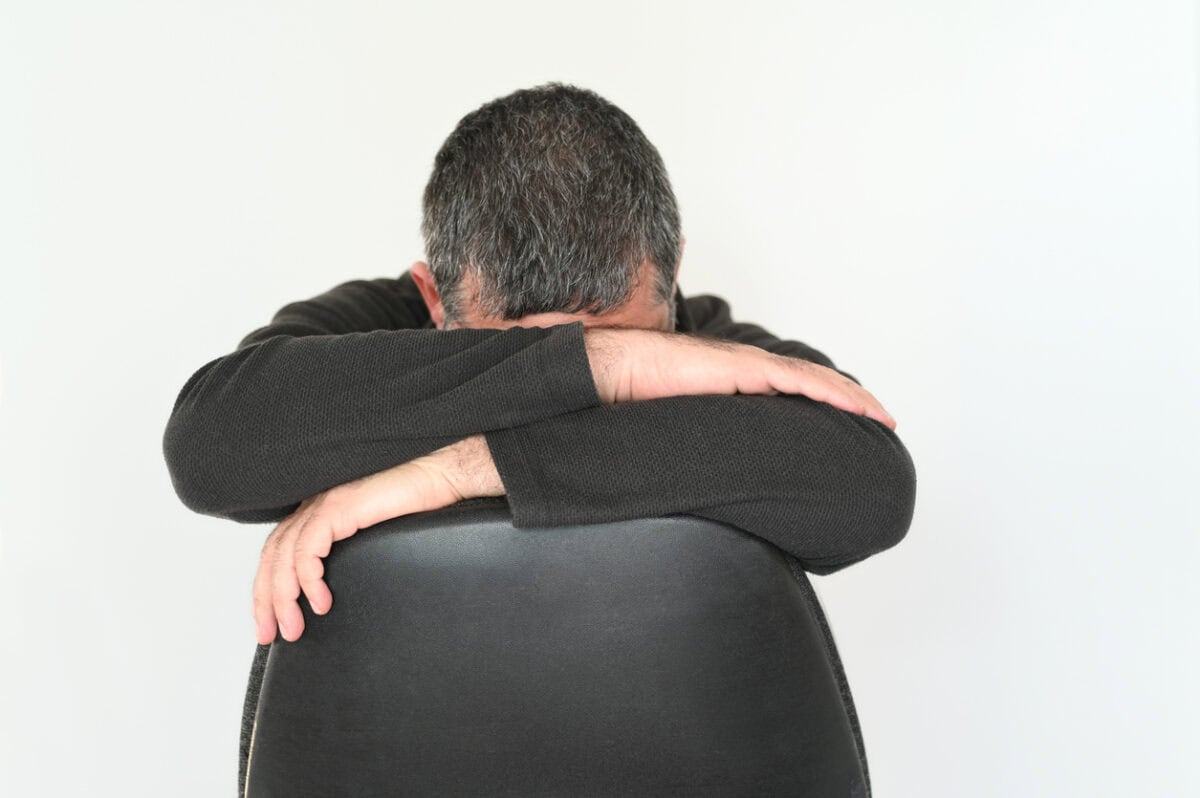
Burnout continues to have its moment in the sun. It is the cover story of the February 2024 edition of Psychology Today and is a major theme in a new book about exhaustion. The World Health Organisation’s (WHO) declaration of burnout as an “occupational phenomenon” is downplayed or ignored in both publications.

Subscribe to SafetyAtWorkBlog to continue reading.
Subscribe Help
Already a member? Log in here

Don’t be a slouch on workstation ergonomics

Office ergonomics is one of the most misunderstood and misrepresented areas of occupational health and safety (OHS). The issue of posture was discussed in an article in the New Yorker on April 15, 2024, based on a new book – “Slouch: Posture Panic in Modern America” by Beth Linker. Rebecca Mead writes that Linker analyses a time when:

“… at the onset of the twentieth century the United States became gripped by what she characterizes as a poor-posture epidemic: a widespread social contagion of slumping that could, it was feared, have deleterious effects not just upon individual health but also upon the body politic. Sitting up straight would help remedy all kinds of failings, physical and moral, and Linker traces the history of this concern: from the exchanges of nineteenth-century scientists, who first identified the possible ancestral causes of contemporary back pain, to the late-twentieth-century popularity of the Alexander Technique, Pilates, and hatha yoga.”

links added
Subscribe to SafetyAtWorkBlog to continue reading.
Subscribe Help
Already a member? Log in here
Concatenate Web Development
© Designed and developed by Concatenate Aust Pty Ltd