
Lately I have been thinking a lot about Leadership and how it dominates, and unchallenged, how occupational health and safety is managed in Australia. Of the three OHS/business books I bought this week, one included a page about Leadership and how we should move away from it.
Category: research

The Human Rights of workers strengthens
Work health and safety is a fundamental human right. Last year, I asked “so what?” Australia is strengthening the relevance of this international human right at the local level, but you wouldn’t notice unless you looked hard.
The federal government’s Joint Standing Committee on Treaties has been receiving public submissions on the ratification of ILO Conventions 191 and 187. It’s such a hot topic that it received only two submissions!!; neither opposed the ratification, but they provide some useful context to the aims of occupational health and safety (OHS) in Australia.
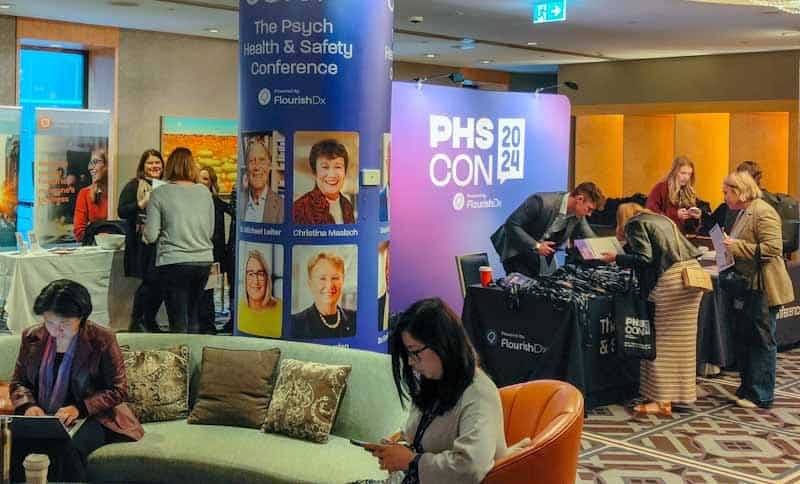
Is the Psych Health and Safety Conference worth attending?
Recently, Sydney, Australia, experienced the inaugural Psych Health and Safety conference managed by Flourishdx, a prominent Australian consultancy that identifies and helps companies manage psychosocial hazards at work. There were around 400 delegates in person and online. The conference was a gamble for Flourishdx, and it largely paid off, but contrary to some of the overly effusive posts on LinkedIn, it was a curious beast.
We must understand the social pressures on employer safety decisions
There is a cost-of-living crisis in large parts of the world, there is a climate emergency, there are wars and political instability and insecurity everywhere. Why is occupational health and safety (OHS) still considered important? Well, it isn’t really when compared to these global and existential crises, but that is the microcosm in which we operate. However, this does not mean we should withdraw into our safety shells and ignore the world. We can’t; the world intrudes on our microcosm and affects us directly and indirectly.
So, it is useful to understand how pressures external to our work and workplaces affect our choices and the choices of employers.
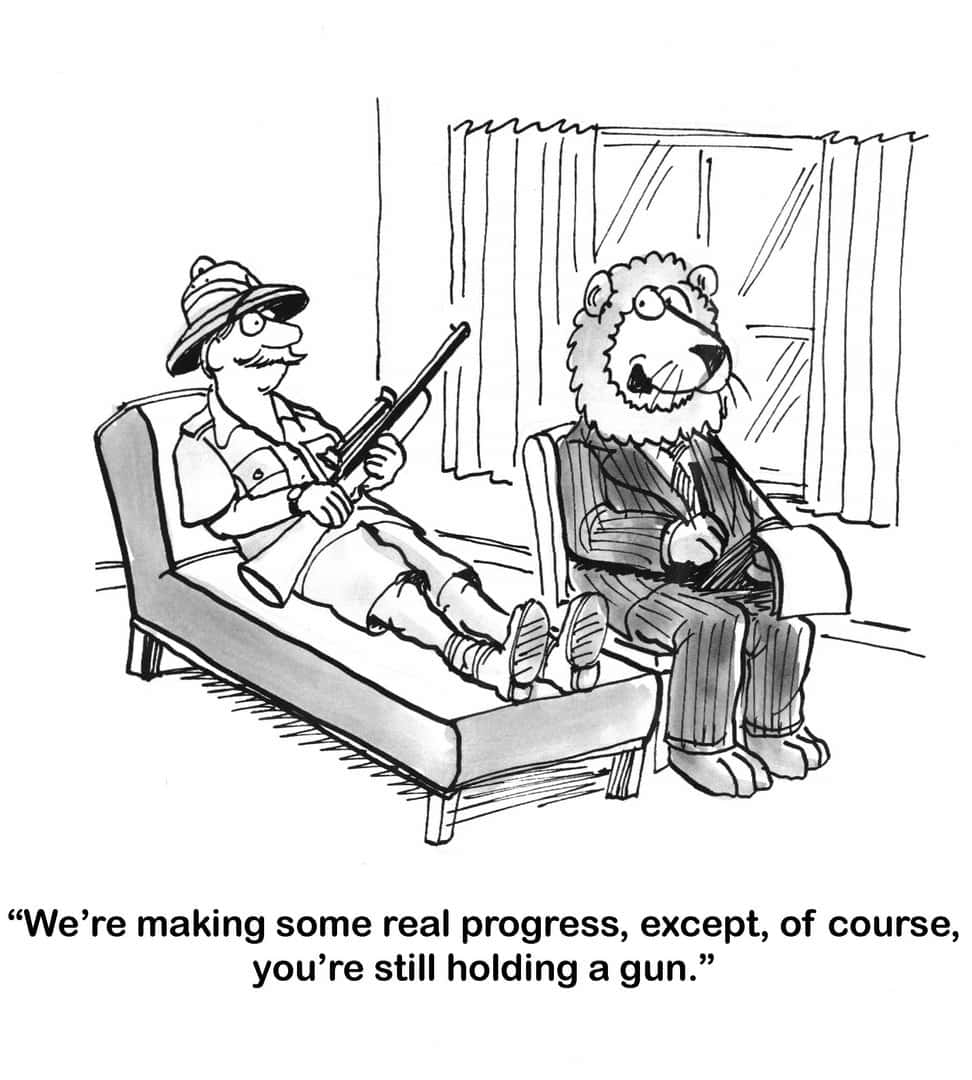
Gun control, primary prevention and OHS
Our experience with a global pandemic has blurred the lines between what is public health and what is occupational health. In that context, it’s worth considering the public health strategies and interventions. There are three levels of interventions: primary, secondary, and tertiary. Recently, on NPR’s All Things Considered, a public health specialist in the United States, Dr. Cedric Dark, discussed public health proposed strategies in relation to gun control in light of a recent report by the US Surgeon General.

The Occupational Moral Injury Scale
Many people are promoting various tools, usually apps, for identifying and managing psychosocial hazards at work. Some experts in the field of organisational psychology are cool on these tools, others are dismissive of poorly designed tools promoted by rent-seekers, others promote free tools, and some say that all the information required is already available if you ask for it and if the keepers of the data will share.
Slow progress on mental health at work
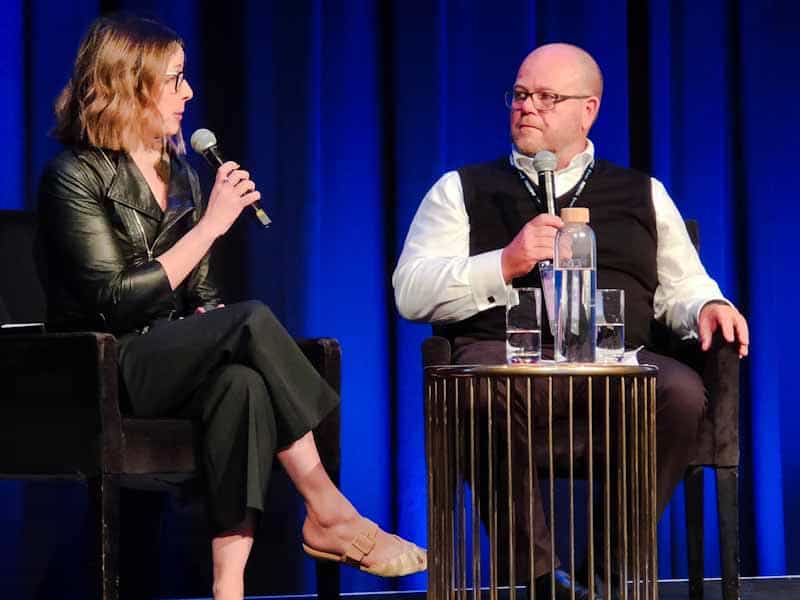
Delegates at the recent Psych Health and Safety Conference were desperate for case studies on how psychosocial hazards are being prevented in Australian workplaces. Instead, they were largely presented with examples of how to manage psychosocial hazards, and many of those strategies were unsurprising – policies, training, counselling, leadership buy-in – and were familiar to those who have been applying well-being programs in their workplaces for years. Several speakers called these strategies bullshit. The most vocal of these speakers was David Burroughs, who was at the conference in a personal capacity.
Continue reading “Slow progress on mental health at work”