The cultural impediments to OHS improvement in agriculture need to be confronted

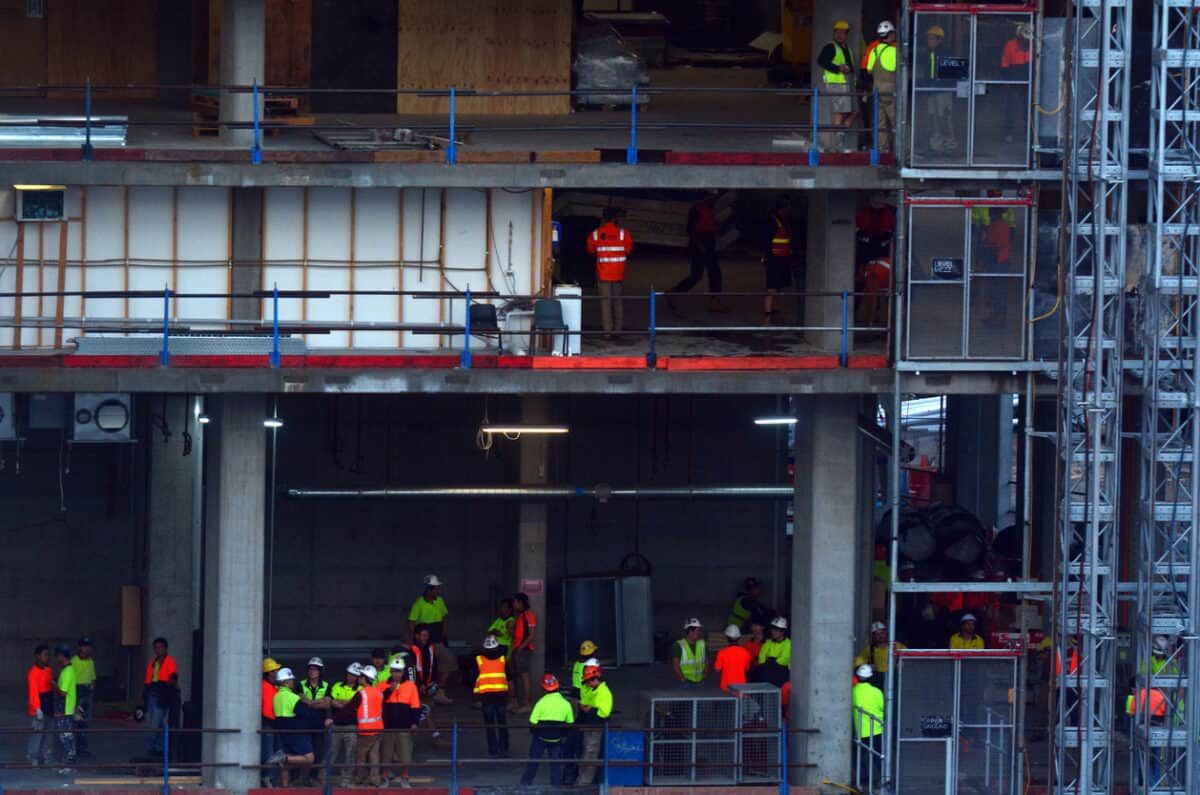
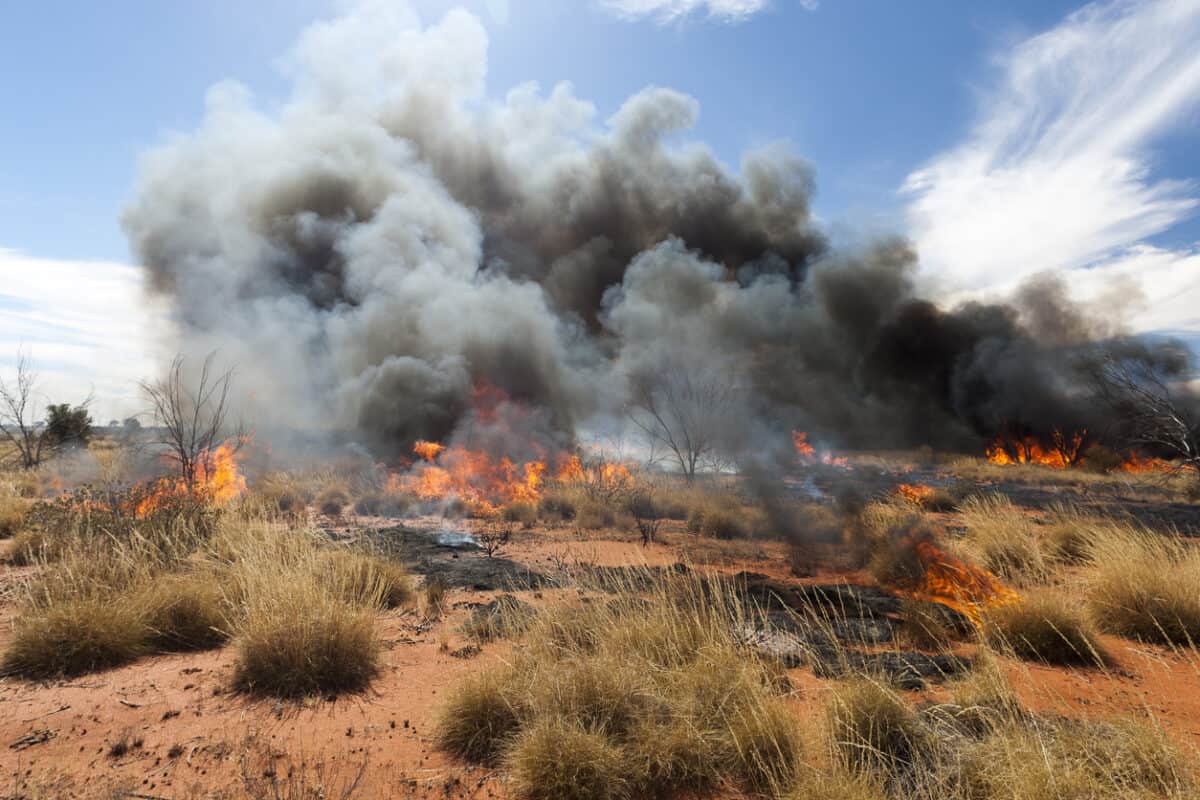
Recently Western Australia concluded its WorkSafe inquiry into the Agricultural Industry. The recommendations for improvements in occupational health and safety (OHS) are remarkably dull as they largely fit with business as usual. It is much more useful to file this as a reference document which offers some safety insights.

The inquiry was established after a spate of farm deaths (Don’t all OHS inquiries come from disasters!?). Most of the terms of reference relate to the collation of data, which, in itself, is an implied criticism of the past OHS Commissioners and governments (and national leadership).

The inquiry report is an excellent analysis of the cultural relationships between farming and OHS regulation, with some brutally honest findings that other States and OHS professionals should heed.

Subscribe to SafetyAtWorkBlog to continue reading.
Subscribe Help
Already a member? Log in here

Mental health at work –  “plus ça change, plus c’est la même chose”

Psychological health in the workplace seems to be a recent phenomenon because various Australian jurisdictions are strengthening prevention and management strategies through legislative amendments. This is supported by the World Health Organization’s definition of burnout as an occupational phenomenon. But psychological or psychosocial health and safety at work was a concern last century.  In fact, The Australian Psychological Society conducted the First National Conference on Occupational Stress in June 1994, and the book, edited by the late Dr Peter Cotton, based on the papers and presentations from the conference, remains remarkably topical and absent of the well-being language and spin that we have been exposed to since.

Subscribe to SafetyAtWorkBlog to continue reading.
Subscribe Help
Already a member? Log in here

Stress reenters the research vocabulary and we are all better for it

Work is making people sicker, according to a recently published research report from the University of Melbourne. The “2023 State of the Future Work – A Work Futures Hallmark Research Initiative Report” said:

“Critically, we find almost three-quarters of people with a chronic illness (73 percent) say that their health condition was caused or worsened by the stress associated with their job.”

page 15

It is good to see the various incarnations of work-related mental health conditions being brought back to the collective and specific term of Stress.

Subscribe to SafetyAtWorkBlog to continue reading.
Subscribe Help
Already a member? Log in here

A European counter to the United States’ OHS propaganda

One of the most useful occupational health and safety (OHS) publications is HesaMag, “the health and safety magazine with a European view”. (It is a hard copy, free and excellent. A must-have) Its latest edition has a feature on psychosocial risks (PSR) at work. I know that some of us are “over it”, but it is unavoidable and, as COVID did recently, may become the OHS matter that dominates our work. We must understand the risks to control them and prevent harm.

Anyway, back to HesaMag. One of its features is that much of its data relies on sources other than workers’ compensation and, so, is more accurate about trends. One example in the current issue, Pierre Bérastégui writes:

Subscribe to SafetyAtWorkBlog to continue reading.
Subscribe Help
Already a member? Log in here

Grosvenor Fire Case Study – Hopkins

It is always good to start a piece of writing with an attention-grabbing punch. Professor Andrew Hopkins‘ latest research paper does just that in his analysis of the 2020 Anglo-American Grosvenor coal mine explosion. He wrote:

“Senior management at Anglo believed that safety was never sacrificed to production. Their view was safety and productivity went hand in hand and that safety was “just not negotiable”. And yet the Board of Inquiry into the accident found that Grosvenor was producing coal at a rate that consistently exceeded the capacity of the drainage system to cope with the methane gas being released, with the result that “coal mine workers were repeatedly subject to an unacceptable level of risk”. How could senior managers believe that they were so safety conscious and yet be so blind to the most serious hazard facing underground coal miners?”

Page 2
Subscribe to SafetyAtWorkBlog to continue reading.
Subscribe Help
Already a member? Log in here

OHS tidbits from the latest Productivity Commission Report

On March 17 2023, the Australian government released the Productivity Commission’s latest 5-year Productivity Inquiry report. At well over a thousand pages, few people are going to read it to the level it deserves. Nor will I, but I have dipped into it and found a couple of important comments that relate directly to the management of occupational health and safety (OHS).

Subscribe to SafetyAtWorkBlog to continue reading.
Subscribe Help
Already a member? Log in here

OHS is now a fundamental human right. So what?

Last year the International Labour Organization (ILO) added occupational health and safety (OHS) to its Declaration on Fundamental Principles and Rights at Work. So what? I hear you cry. According to one trade union website:

“Contrary to Conventions – which are subject to ratification by individual Member States to be applicable, all Member States (187 Members) are expected to respect, promote and realize Fundamental Principles and Rights .”

This change has been a long time coming. Expect to hear a lot of discussion about this change at the 23rd World Congress in Sydney later this year, if not Ap[ril 28 and May Day. What Australia will say about this change is unknown, but it will be expected to say something.

Continue reading “OHS is now a fundamental human right. So what?”
Concatenate Web Development
© Designed and developed by Concatenate Aust Pty Ltd