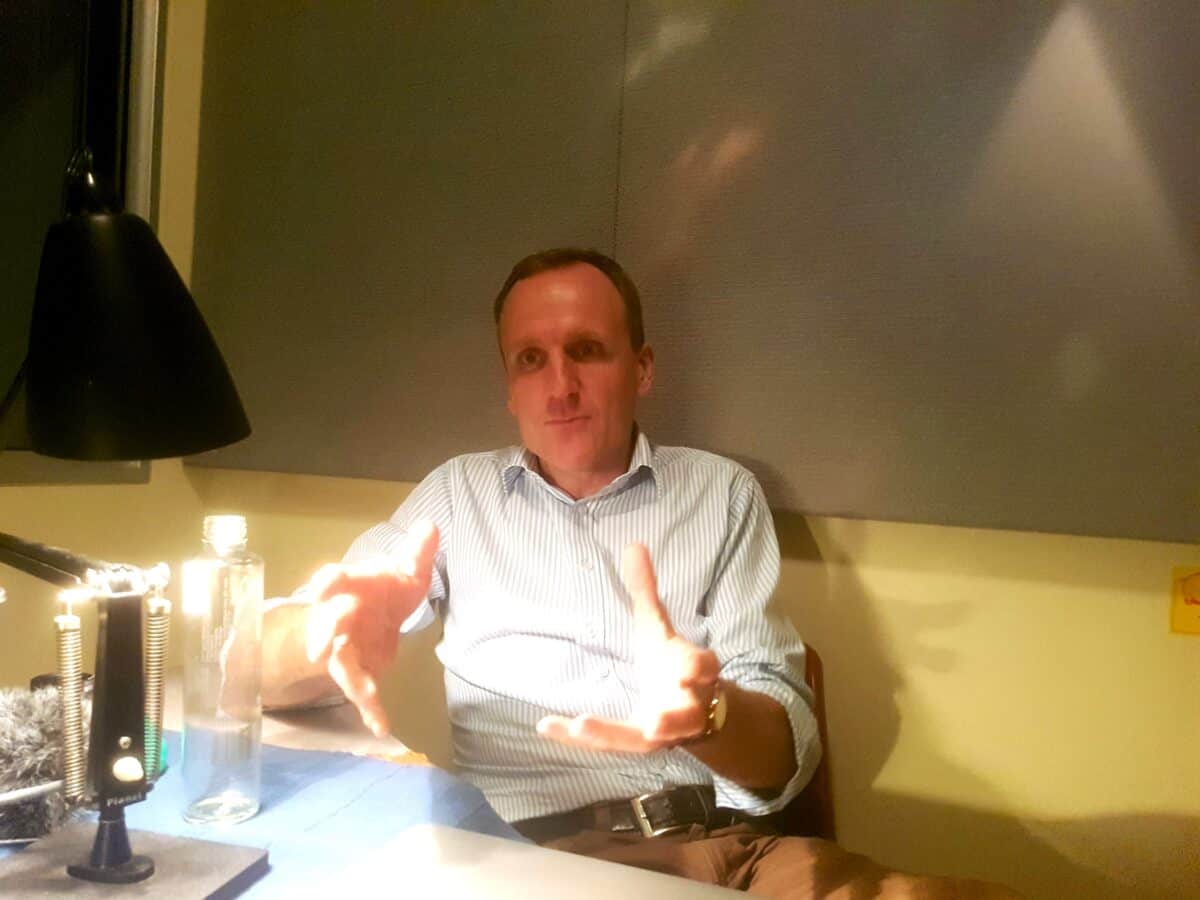
Just over a week ago, RMIT University’s research funding program, SHINe, conducted its inaugural symposium. This symposium was both new and fascinating. It was overbooked with a considerable weight list, I think, because of the international safety research guests, but the fact that an event in Safe Work Month was free might have helped. The research by the Construction Safety Research Alliance (CSRA) for the United States was a highlight.
Category: research
Turning the Mental Health Ship in Construction
Mental health in the construction industry is a perennial occupational health and safety (OHS) concern – high levels of suicide, suicide ideation, depression, anxiety, etc, – the usual suspects. Research into this has been robust in Australia, with the work of Professor Helen Lingard and the Construction Industry Culture Taskforce, among others. Recently, I heard about the Wellness in Infrastructure organisation for the first time.
Across the Ditch: What New Zealand’s OHS Survey Reveals About Gender, Influence, and Industry
The latest edition of New Zealand’s excellent occupational health and safety (OHS) magazine, Safeguard (long may it reign…. in hard copy), included its annual income survey of OHS professionals. Some Australian organisations also do this, but their findings can be expensive to access.
I ran Safeguard’s data summary through AI to provide a text-based profile of a “typical” NZ OHS professional. It offers an interesting contrast to what we have in Australia.
When Leadership Fails the Soul
Dean Yates is a prominent Australian speaker on the issue of moral injury. Yesterday, at a WorkSafe Tasmania seminar, Yates brought the 250 attendees up to date on the status of moral injury and its occupational context. Although this seminar was a Safe Work Month event, Yates’ information requires some thought to fit with the occupational health and safety (OHS) and psychological hazards contexts.
Old news is new news
Recently, parliamentary workplaces in the United Kingdom and Australia have had scandals about inappropriate behaviour – COVID-era parties and sexual harassment and assault, respectively. Official inquiries have repeatedly identified that Ministers and parliamentarians are overwhelmed with paperwork and expectations of being contactable 24/7. These do not excuse poor, unsuitable or criminal behaviour, but they are part of poor work design and contribute to poor psychological health and can be improved. But overwork in parliament is not a new phenomenon.
Every Worker Deserves A Good Life
Work-related suicide is more insidious in some ways than non-work suicide, as it is institutionally stigmatised to the extent that its reality has been denied. There is an additional level of complexity when an employer is in control of the work, and a strong economic ideology often denies the influence of work factors. The tide is turning, but organisational factors are not receiving the prominence they deserve, and the change remains slow.
New Australian research is playing a crucial role in accelerating this change.
Note: This article discusses issues related to suicide.
Holding Space for the Ridiculous in Workplace Health and Safety
One of the most divisive speakers at last week’s Research Summit organised by Safe Work Australia was futurist Reanna Browne. Some delegates found her approach to research to be offensive. Others thought she was granted too much time. Some were confused.