
The reality of needing to provide psychologically healthy and safe work seems to have been widely accepted, if not still well understood, if the number of corporate work-related psychological assessment and management programs is any indication. One of the most recent is “The Psychosocial Safety Blueprint” published by Culture Plus Consulting’s Felicity Menzies. The blueprint is interesting until the document’s marketing purpose starts to dominate.
Category: research

Burnout Isn’t Complex When You Look Through an OHS Lens
I want to be optimistic about workplace mental health in the lead-up to my reporting on a sihgnificant psychological/psychososcial conference in September – PHSCon. But reading the newspapers demoralises me, as burnout stories framed through HR ignore OHS obligations and preventive design. I suppose I could eliminate the psychological hazard by stopping reading the newspapers (like many others have), but then how would I know what others think about occupational health and safety (OHS) and what is being said and advised to employers and the community?
Recently, The Age and Sydney Morning Herald newspapers contained an article called “Hidden cost of our burnout culture” – a typical example of a Human Resources (HR) and leadership-based perspective. Burnout stories framed through HR ignore OHS obligations and preventive design.

On sexual harassment, Australia requires prevention, while the UK requires response
For the last few years, McDonald’s in the United Kingdom has been embroiled in scandals involving the harassment and sexual harassment of staff by other staff members. As McDonald’s is an international company with similar operational systems of work, how would the Australian arm of the company react to a similar situation?

Psychosocial hazards, dignity and the unfinished legacy of Brodie Panlock
By 2013, the debate over workplace bullying in Australia had moved from outrage to regulatory detail. That is often the stage where social reform either matures or dies. The draft code on preventing and responding to workplace bullying being developed at that time attracted submissions from industry and employer associations, many of which were troubling. The concern was not simply that business groups opposed a code. It was that several appeared to miss the code’s central purpose of preventing psychological harm to people at work.
Please note that this article discusses suicide and mental trauma.

Why Some Bosses Fight Working From Home Harder Than the Evidence
Australian business media, especially the Australian Financial Review (AFR), continues to oppose the Victorian (Labor) government’s intention to make working from home (WFH) a formal right and entitlement. Every week, the mainstream media report on the latest research that criticises the move on the basis of productivity impacts, restrictions on career progress and other business negatives; occasionally, very occasionally, some positives are reported – better mental health, reduced living and commuter costs, flexibility for family duties and obligations.
Redesigning Risk — Quinlan and Mazzucato Unite to Make Work Safer
Whenever Mariana Mazzucato publishes a new book, she appears in the press everywhere as part of book tours and promotions. Her latest book, The Common Good Economy, is likely to be as influential on government and international policymakers as her other books have been. Australia’s Treasurer, Jim Chalmers, pays close attention to her perspectives. These perspectives relate to the management of occupational health and safety (OHS) because they present a different or tweaked sense of corporate morality, under which workers should be safe and healthy.
This article is not a review of the Common Good Economy book, although it is very good. Instead, I compare Mazzucato’s approach on work to Professor Michael Quinlan‘s take on precarity.
AFL, CTE and SFAIRP: When “the rough and tumble” becomes a foreseeable harm
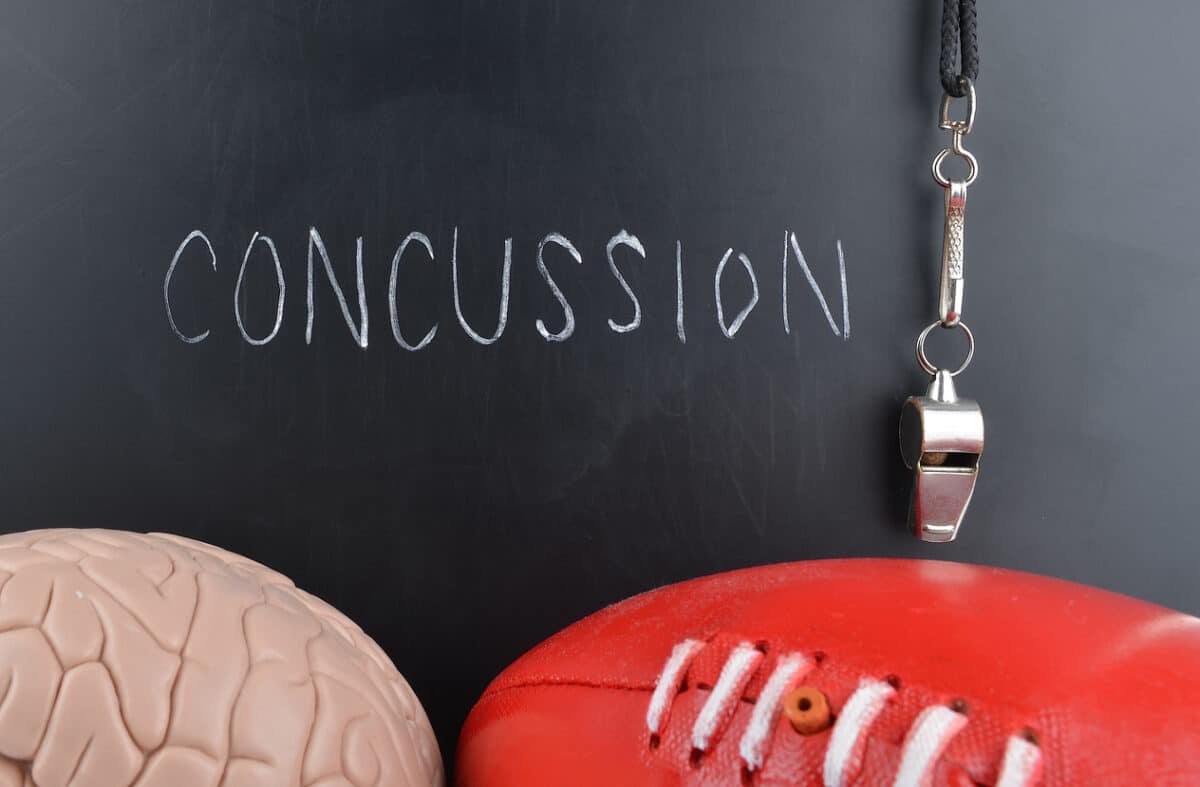
The death of 23‑year‑old footballer Nick Lowden should force the Australian Football League (AFL) and every sporting body that claims to care about player welfare to confront the fact that the risks of brain injury in Australian football are no longer mysterious, emerging, or debatable. They are foreseeable, documented, and cumulative. And once a risk is foreseeable, the occupational health and safety (OHS) duty to eliminate or minimise it so far as is reasonably practicable (SFAIRP) applies.
A Four Corners investigation to be broadcast on June 29, 2026, examines Lowden’s death. (This article is based on some preliminary reporting on the issue by the Australian Broadcasting Corporation)