NZ reviews its workplace death data to include vehicle incidents and shows a big increase

North island, New Zealand- October 29, 2017 Truck on the wet road. Source: istockphoto

2020 will be the year when Victoria’s work-related death statistics receive a shake-up with the inclusion of road transport deaths for the first time. There is the potential to redefine Victoria’s occupational health and safety (OHS) risk profile if the recent New Zealand experience is anything to go by.

Subscribe to SafetyAtWorkBlog to continue reading.
Subscribe Help
Already a member? Log in here

The Brady Report busts myths and offers a new way

A bombshell occupational health and safety report was tabled in the Queensland Parliament on February 6, 2020. Dr Sean Brady of the Department of Natural Resources, Mines and Energy undertook a forensic assessment of mining fatalities occurring over almost 20 years and has made recommendations that busts some mine safety myths and offers a, potentially very disruptive, way forward.

Brady issued 11 recommendations with many of them hitting the OHS regime of mining companies and safety regulators hard. As the report is over 300 pages, this article is based largely on the Executive Summary.

Subscribe to SafetyAtWorkBlog to continue reading.
Subscribe Help
Already a member? Log in here

OHS podcast that analyses academic papers

Two workplace health and safety researchers, David Provan and Drew Rae have teamed up for a weekly podcast called “The Safety of Work”. I haven’t got through all of them yet, but the format seems to be that each episode looks at an interesting occupational health and safety (OHS) research to see how the evidence or findings can be applied in the real world.

Given the recent themes of this blog I paid attention to Episode 11 on Production v Safety. (Episode 12 on Zero Harm is this week’s edition)

Subscribe to SafetyAtWorkBlog to continue reading.
Subscribe Help
Already a member? Log in here

Australia flags more inclusive strategies for suicide prevention

In late January 2020, the Australian Health Minister, Greg Hunt, announced new funding for suicide prevention programs. As the announcement occurred during the increasing concerns over the coronavirus, media attention to the funding announcement was minimal and this overlooked an important shift in suicide prevention strategies.

Six months ago the Prime Minister appointed Christine Morgan as his Suicide Prevention Adviser. As part of the funding announcement, Morgan spoke about a major change to suicide prevention strategies that acknowledges that not all suicides result from mental illness – a reality that has been emphasised by some Australian researchers for over several years. Significantly Christine Morgan is reported in Newscorp media as saying:

Subscribe to SafetyAtWorkBlog to continue reading.
Subscribe Help
Already a member? Log in here

On safety, the PM says it’s all about the economy

Source:istockphoto

Australia’s conservative Prime Minister, Scott Morrison, spoke at the National Press Club yesterday and his speech showed that if occupational health and safety (OHS) is to progress over his term of government, economic arguments will be the most persuasive.

Subscribe to SafetyAtWorkBlog to continue reading.
Subscribe Help
Already a member? Log in here

Worker exploitation may be cultural but is still harmful

The Australian Medical Association (AMA) has released a media statement based on new research into mental illness and suicidal ideation of junior doctors. Given that the relationship between excessive working hours and mental health is increasingly becoming an occupational health and safety (OHS) issue, SafetyAtWorkBlog sought some clarification to some of the quotes in the statement attributed to AMA President, Dr Tony Bartone.

The January 23 2020 media release quoted Bartone saying:

“A healthy medical profession is vital to patient safety and quality of care, and the sustainability of the medical workforce,… Significant evidence already exists to show that doctors are at greater risk of psychological distress and stress-related problems. This new research provides clear additional insight into how the workplace can affect the health and wellbeing of the medical profession. Long working hours, unpredictable rosters, overtime, being on-call, and night shifts are significant systemic barriers to the maintenance of physical and mental health and wellbeing. There is an established link between working more hours and having higher rates of anxiety, depression, and psychological distress.”

These are the questions put to the AMA:

  • The media release lists several “systemic barriers” that are generating poor psychological health. It seems that most of these barriers would be removed or weakened if hospitals had more staff. Is the psychological harm a result of insufficient staffing levels? And is this a result of underinvestment in hospitals?
  • Is the fatigue, psychological harm, etc. a result of trying to make do with the available resources? If so, what new income or labour sources are being sought?
  • Why do you think the trend towards safe working hours stalled?
Subscribe to SafetyAtWorkBlog to continue reading.
Subscribe Help
Already a member? Log in here

Good progress, but………

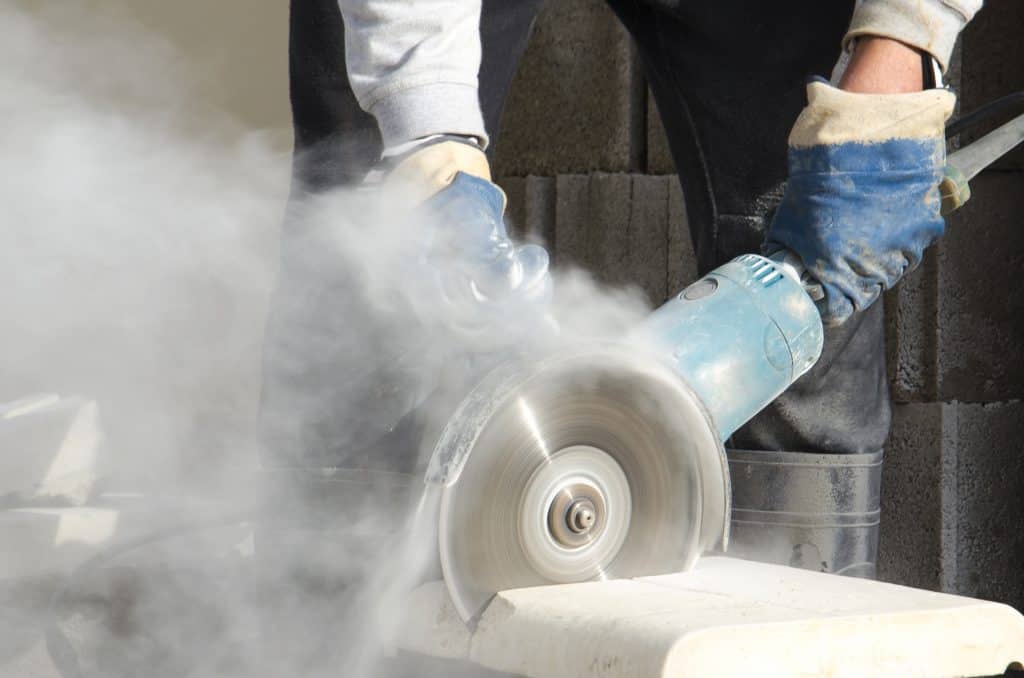
The Australian Government is starting to address the silicosis risk associated with engineered stone. The Health Minister, Greg Hunt, has said in a media release on January 23 2020 that the government will accept all five recommendations of the interim advice of the National Dust Disease Taskforce. However, some of these seem half-hearted and some actions will take a long time, which does not necessarily help those workers currently at risk.

Subscribe to SafetyAtWorkBlog to continue reading.
Subscribe Help
Already a member? Log in here
Concatenate Web Development
© Designed and developed by Concatenate Aust Pty Ltd