

Two years ago this blog looked at the origins and the permutations of the “one-in-five” phrase used in Australian reports about mental health. The earliest occurrence of the statistic was from the Australian Bureau of Statistics (ABS) in 2007. It was hoped that the Productivity Commission (PC) would revisit the statistics in its recent inquiry into mental health. It did not, however a new statistical assessment of mental health is not too far away.
Category: research

Selling remediation as prevention is dishonest
Regular readers of, and subscribers to, this blog know that I am a strong advocate for the prevention of suicides, especially those related to work. Mental illness is not always connected to suicides but there is often a correlation between, mental stress, self-harm, suicide ideation and suicides. as such it is useful to keep an eye on suicide statistics, particularly in industries or times of great stress.
In early December 2020, Victoria’s Minister for Mental Health, James Merlino, addressed the Parliamentary Accounts and Estimates Committee (PAEC) to discuss the 2020-21 Budget Estimates. At that time, Merlino made some clear statements about the rates of suicides, which are useful to remember when evaluating suicide and mental illness prevention strategies like those mentioned in the Productivity Commission’s recent inquiry into Mental Health.
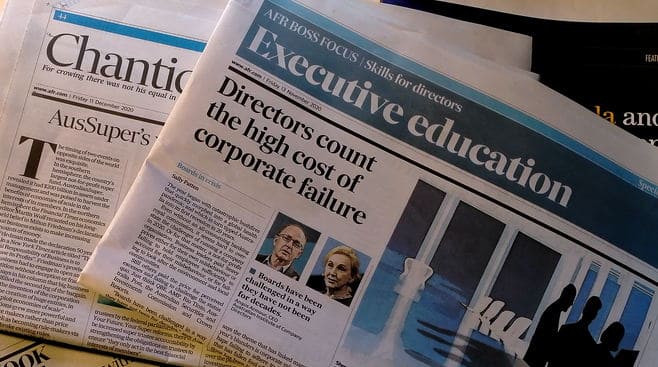
Business nuggets from the Australian Financial Review
It is not possible to write as many occupational health and safety (OHS) articles as I would like to, and my newspaper clippings files are bulging by the time I get some time to tidy up. The Australian Financial Review (AFR) is an expensive business newspaper that often touches on OHS matters even though OHS may not be the core of the story. Below is a short discussion of many of those clippings from 2020. Most of the AFR articles are paywalled but can often be tracked down through other measures.
The HR approach to mental health needs to be challenged
Human Resources (HR) management may seem to be a bit of a punching bag in SafetyAtWorkBlog articles. There is no doubt that HR can do better to prevent harm, especially psychological harm, but so can ever other management profession. One 2018 article was recently reposted by Human Resources Director (HRD) magazine on workplace mental health which deserves some consideration.
Firstly the article is categorised under “Corporate wellness”, instantly locking it into a specific area of HR and occupational health and safety (OHS). The article, written by lawyer Amber Chandler of Barker Henley, also has relevance to risk management, due diligence, Industrial Relations or OHS and, as mentioned in another article recently, could benefit from being posted or cross-posted in those other categories, or even under “Leadership”. The categorisation is likely to have been an editorial decision but reveals something about HR and HR media.
OHS and the Four Day Week
Recently the BBC’s Business Daily had a short discussion about the introduction of the 4 Day Week. This workplace reform has knocked about for a few years now and seems to have some mental health and job satisfaction benefits. This is enough for it to interest occupational health and safety (OHS), especially as it is one of the few examples of a structural and organisational change rather than an intervention aimed at each individual worker.
The BBC discussion indicates the difference (it may be a schism) between a new way of thinking about work and the old traditional way. The opponent to the 4 Day Week emphasises the individual over the organisational and compares service industries to those that produce goods.
The episode, now a podcast, is a good introduction to the for and against of the 4 Day Week but careful listening shows the challenge ahead.
Continue reading “OHS and the Four Day Week”
Right information, wrong magazine
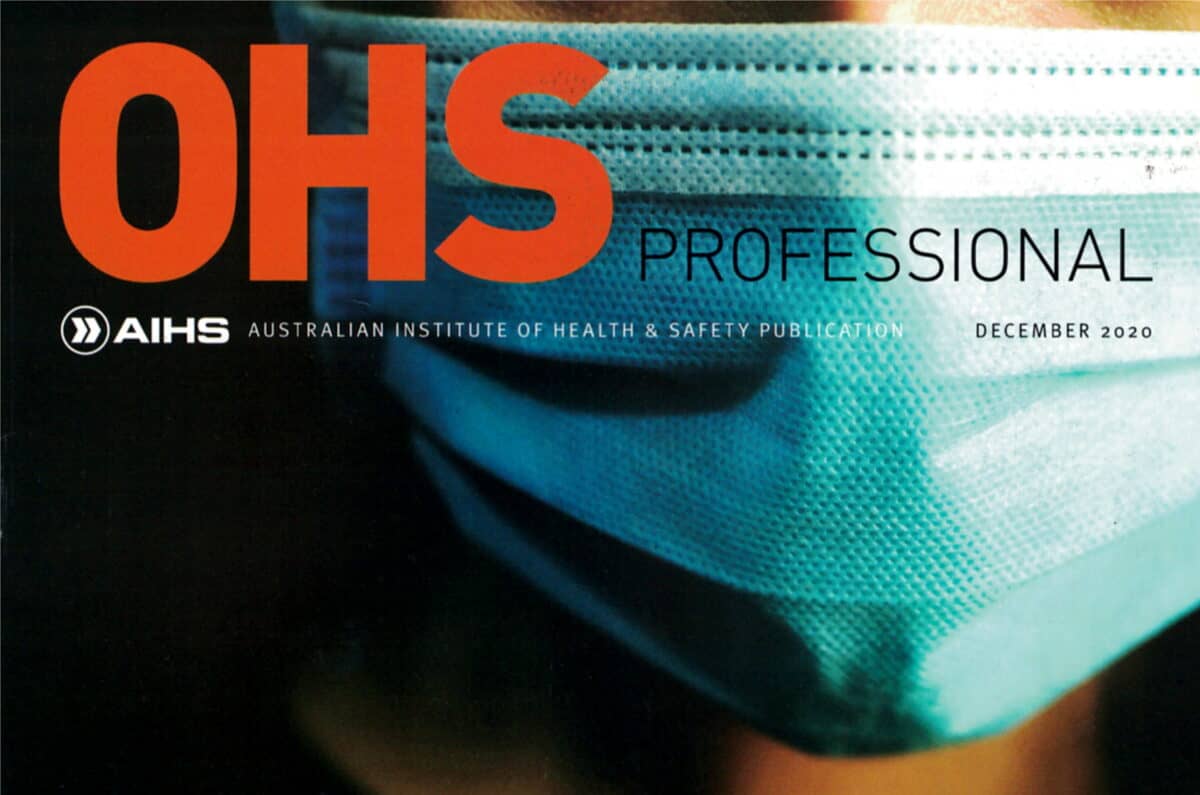
The OHS Professional magazine for December 2020 contains a very good article about workplace psychological risks and the occupational health and safety (OHS) strategy to prevent mental harm. The only negative is that it is not published in a Human Resources magazine, or one for company directors. The preventative techniques are well known to the OHS profession and based on independent scientific evidence, but it is other managerial disciplines that need to learn the difference between preventing psychological harm and providing symptomatic relief.
Australian Safety Magazine continues to improve
The member magazine of the Australian Institute of Health and Safety (AIHS), OHS Professional, continues to improve in the quality of its articles – less advertorial, more authoritative articles. The current edition, December 2020, includes two particularly good articles- one on the manufacturers’ withdrawal of quad bikes in protest and another on psychological health and safety at work. This article will discuss the quad bike article.