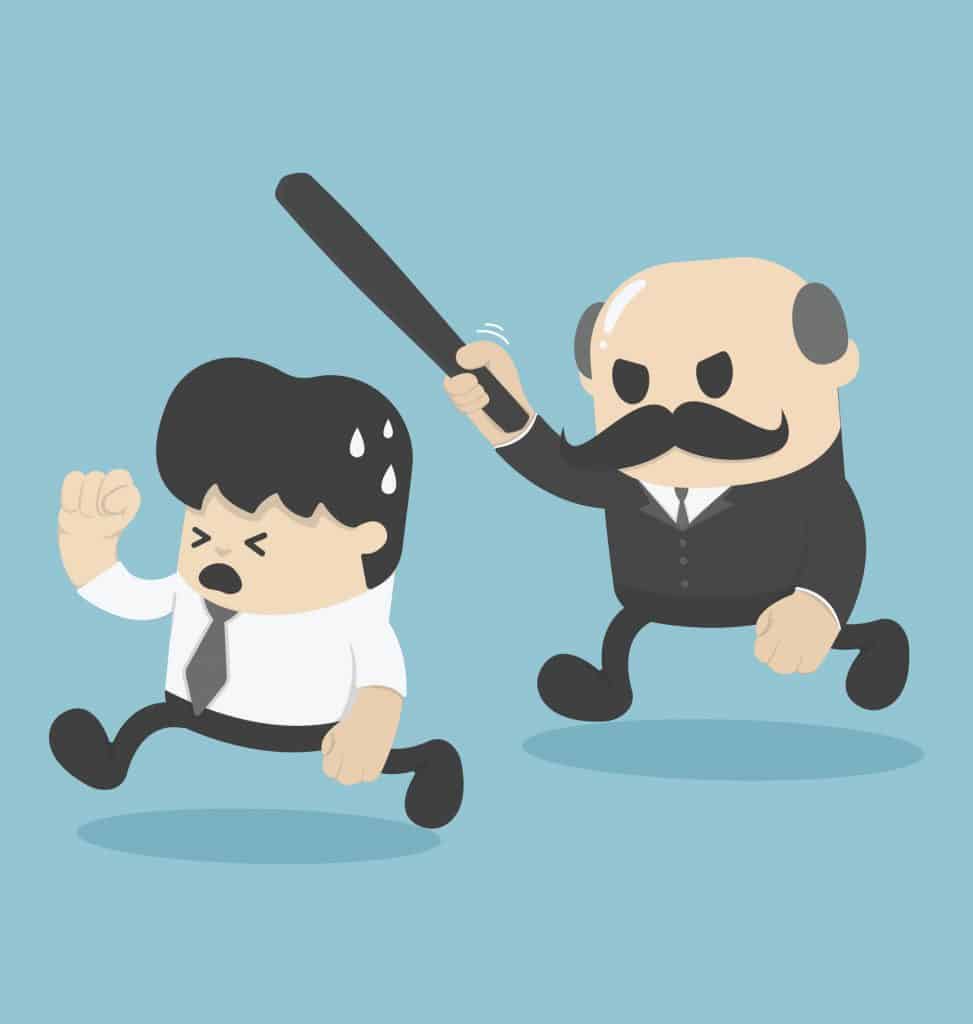
Truths? Maybe. But Hard? Nah.

Professions often learn more from those in other professions that they do from their own. As such SafetyAtWorkBlog looks in lots of places for insights that may help the occupational health and safety (OHS) profession.

Recently the Australian Human Resource Institute published a discussion paper called “5 Hard Truths about Workplace Culture”. OHS operates in the same workplace culture so there may be lessons for all.

Subscribe to SafetyAtWorkBlog to continue reading.
Subscribe Help
Already a member? Log in here

Important discussion of moral harm, moral repair and what can be done

Occupational health and safety (OHS) needs to talk more about failure, in a similar way that other business processes are dissected and reported. But the challenge to this, and I think the main reasons failure is not discussed, is that OHS failures result in serious injuries, life-altering conditions and deaths. OHS shares something with the medical profession which “buries its mistakes”. There appears to be something shameful in talking about these failures in public, although the OHS profession is full of chatty anecdotes in private.

One of the ways for OHS to discuss these uncomfortable experiences is to focus on Harm rather than legalities and the chase for compliance.

The first paragraph in Derek Brookes‘ new book, “Beyond Harm“, seems to speak to the OHS profession:

Subscribe to SafetyAtWorkBlog to continue reading.
Subscribe Help
Already a member? Log in here

CEDA provides business insights but more is needed

One of the missed opportunities for improving occupational health and safety (OHS) over the last 30 years has been the application of corporate social responsibilities (CSR) to the supply chain and not to one’s own health and safety performance. CSR and OHS and social justice and decent work are all elements of the Venn Diagram of keeping people safe.

But this diagram exists in a world where economics dominates political decision-making and conflict results. Recently in Australia corporate leaders have spoken about various controversial social issues. Last week the Assistant Minister to the Prime Minister and Cabinet, Ben Morton advised companies to stop this advocacy and focus on the economic fundamentals of business. This week the Committee for Economic Development of Australia (CEDA) released its Company Pulse survey results which shows that the community accepts that company executives can advocate for social issues.

Subscribe to SafetyAtWorkBlog to continue reading.
Subscribe Help
Already a member? Log in here

Asia, maturity, grief, zero and data-collecting mouthguards – the SafetyConnect conference

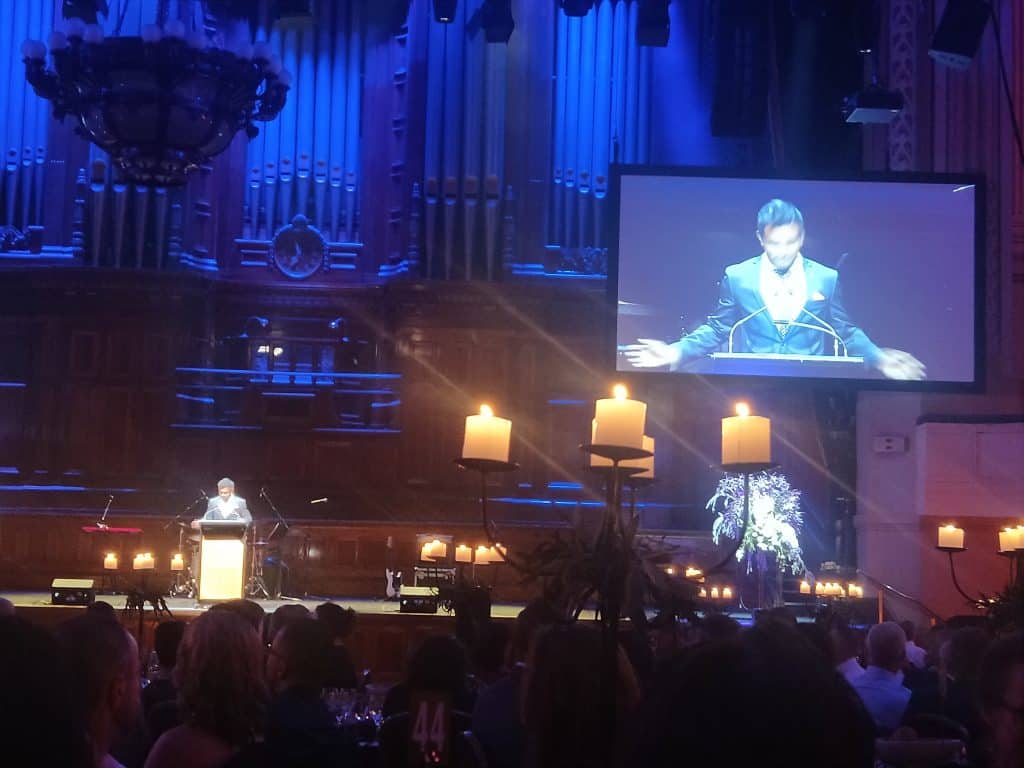
Zero Harm is hardly ever mentioned in Australia’s academic occupational health and safety (OHS) conferences, except maybe with a little snigger. But it was prominent at the NSCAV Foundation’s SafetyConnect conference in late August 2019. This was partly because this conference has more of a commercial bent compared to other conferences but also because several international speakers from Asia were able to clarify what was meant by the term.

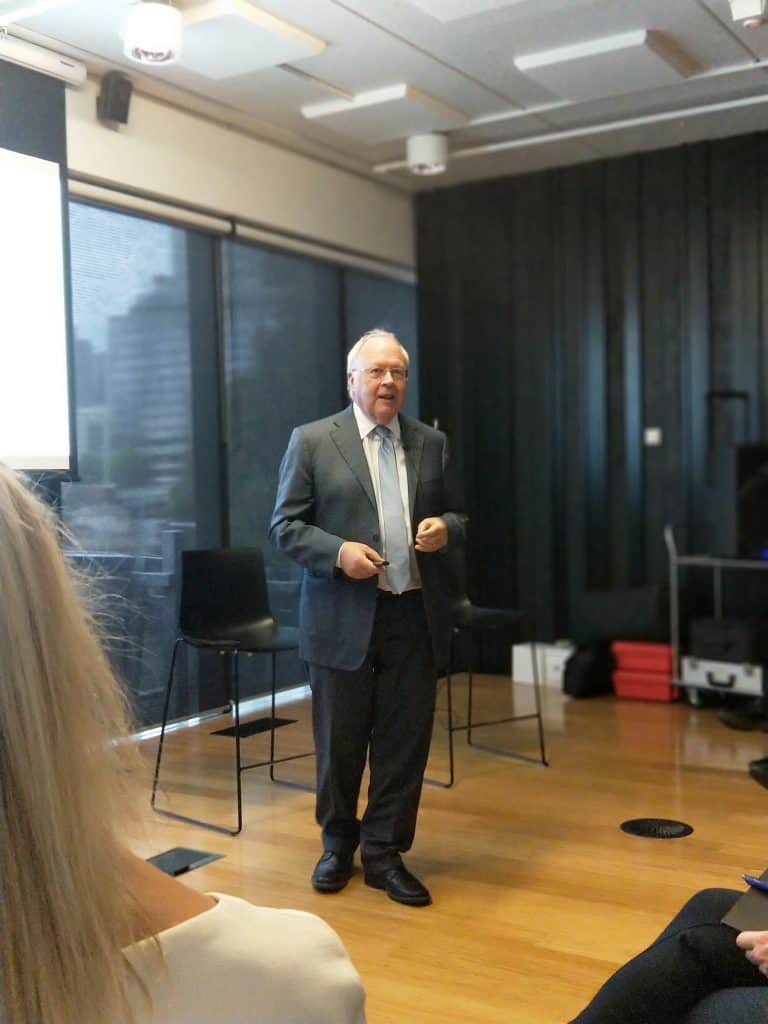
This conference had an enviable number of prominent Asian OHS professionals and engineers. One of them Ho Siong Hin (pictured above) explained the application of Vision Zero by the Singaporean government and business community.

Subscribe to SafetyAtWorkBlog to continue reading.
Subscribe Help
Already a member? Log in here

New evidence of mental health effects on the relatives of deceased workers

Australian seems to be leading in the investigation of the (secondary) familial and social impacts of work-related death. New research from Lynda Matthews, Michael Quinlan and Philip Bohle to be publicly released soon focused on the mental health of bereaved families after a relative’s death. They found

“At a mean of 6.40 years post-death, 61 percent of participants had probable PTSD (Post Traumatic Stress Disorder), 44 percent had probable MDD (major depressive disorder), and 43 percent had probable PGD (prolonged grief disorder).”

Continue reading “New evidence of mental health effects on the relatives of deceased workers”

International healthy workplace conference

The wave of workplace wellness cannot be avoided but wellness is only part of achieving safe and healthy workplaces. At the end of October 2019 Melbourne is hosting the 7th Global Healthy Workplace Awards and Summit at Monash University.

Occupational health and safety (OHS) often accuses workplace wellness advocates of providing symptomatic relief instead of addressing issues that cause the un-wellness in the workplace. However the October summit seems to offer deeper analysis on both these perspectives and in the broader context of healthy workplaces.

Continue reading “International healthy workplace conference”

Keep talking and making submissions – what to ask about dust

Government attention on the risks of silicosis, especially those related to engineered stone, continues to increase. Australia has established a National Dust Disease Taskforce to investigate the risks and to make recommendations to the government at the end of 2020. A national investigation is warranted but occupational health and safety (OHS) is regulated at State level so it could be many years until safety improves on this matter, if the States wait for the Taskforce’s final report.

Luckily, the debate on silicosis risks continue in various Parliaments and the Taskforce is seeking submissions.

Subscribe to SafetyAtWorkBlog to continue reading.
Subscribe Help
Already a member? Log in here
Concatenate Web Development
© Designed and developed by Concatenate Aust Pty Ltd