
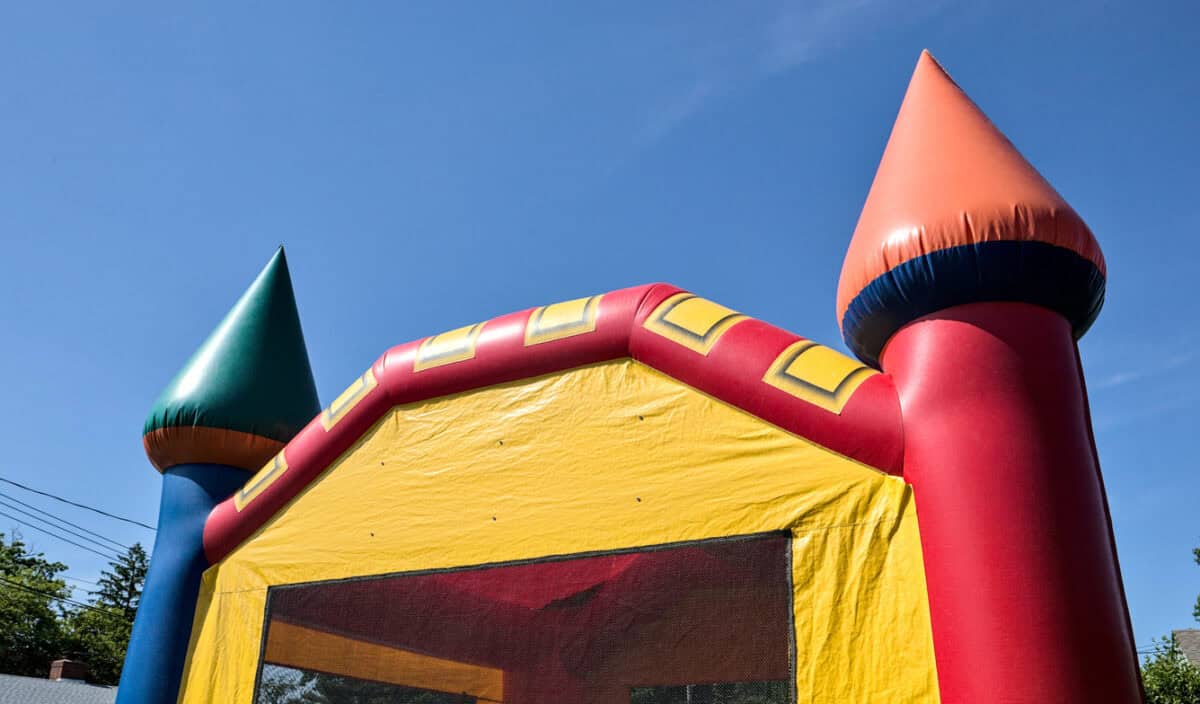
A Magistrate has said there is insufficient evidence to find Rosemary Gamble guilty of a criminal offence over an incident involving an inflatable jumping castle that resulted in the deaths of six children at Hillcrest in Tasmania. The prosecution may have ended, but a Coronial inquiry remains scheduled, and a civil class action against the state of Tasmania and Ms Gamble was launched in 2024. This article looks at the occupational health and safety aspects of the incident.
Category: risk
Self-Reported Stress or Diagnosed Distress? New Mental Health White Paper Sparks Debate
On June 3 2025, workers’ compensation insurer EML released its white paper on mental health in Australian workplaces. The paper is full of recent data on worker perceptions of psychological health; however, its significance is limited by relying on self-reported survey data. More interesting information came from the Question and Answer panel session at the report’s Melbourne launch.
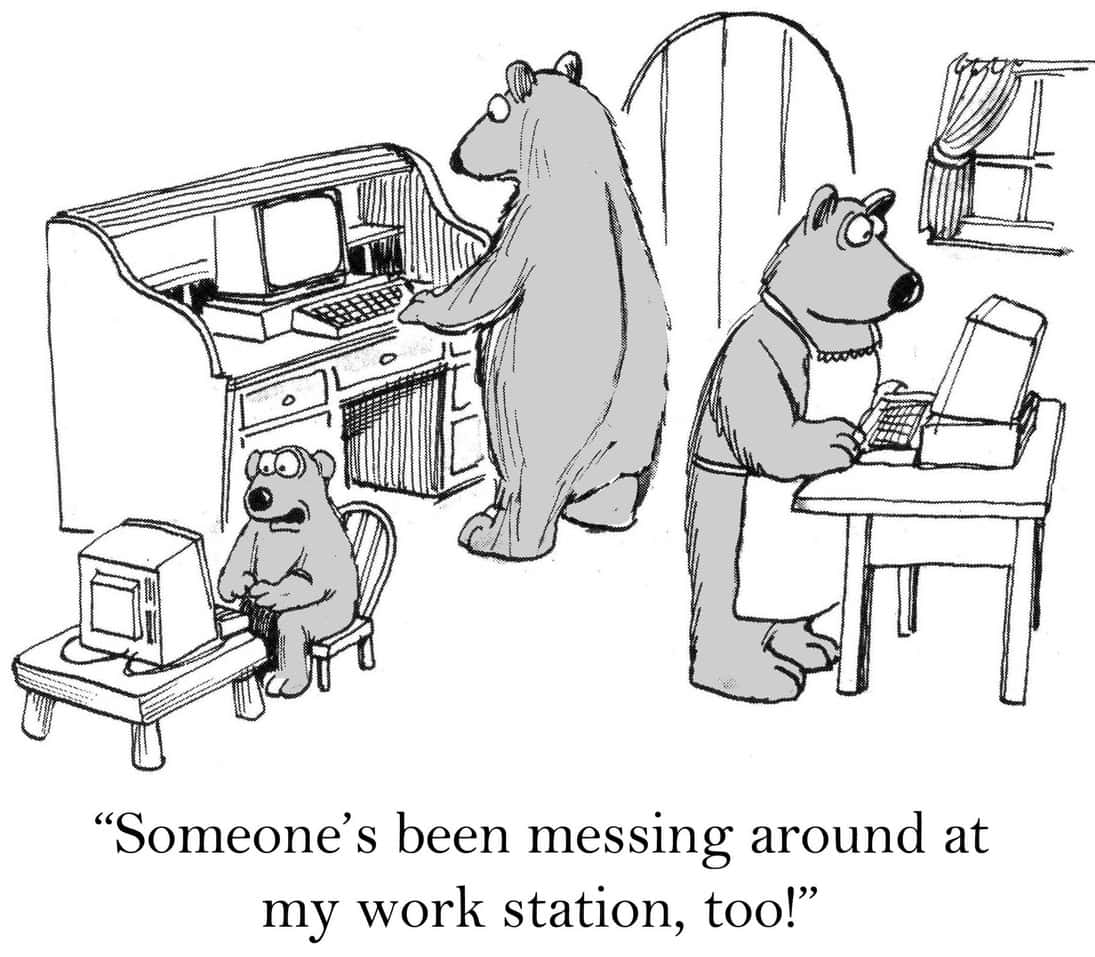
Work-from-Home Wins: Productivity Holds, Mental Health Glows, but Bosses Still Crave the Office Status Quo
“WFH is probably good for productivity” was a headline in the Australian Financial Review (AFR) of May 29 2025. The online version (paywalled) added “if it’s part-time”. The Productivity Commission‘s examination of the COVID-19 pandemic in its “before-and-after” report presents some new perspectives on occupational health and safety (OHS) aspects of working from home.
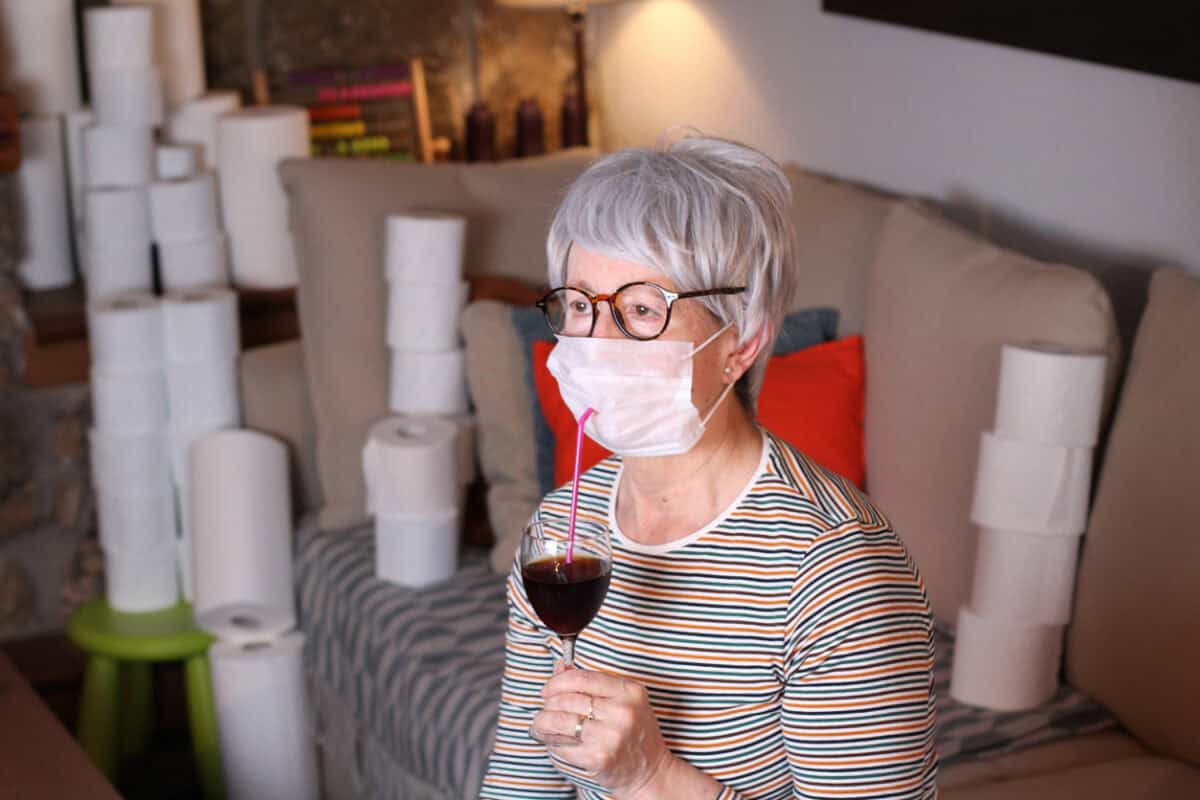
There is no excuse for ignoring pandemic preparation
No one wants to experience another pandemic, yet our governments seem uninterested in preparing for the next inevitable one. Australia was relatively lucky in its death rates, but the COVID-19 pandemic and the government-imposed lockdowns have changed some citizens mentally and philosophically. Vaccines arrived comparatively quickly, an amazing story in itself, reducing the emphasis on quarantine as an essential (engineering) control.
In 2021, Geoff Manuagh and Nicola Twilley wrote about the history and future of quarantine in a book called “Until Proven Safe“. The book is a useful reminder of our responses to global pandemics and the overlap of occupational and public health.
Workplace harm and harmful behaviours
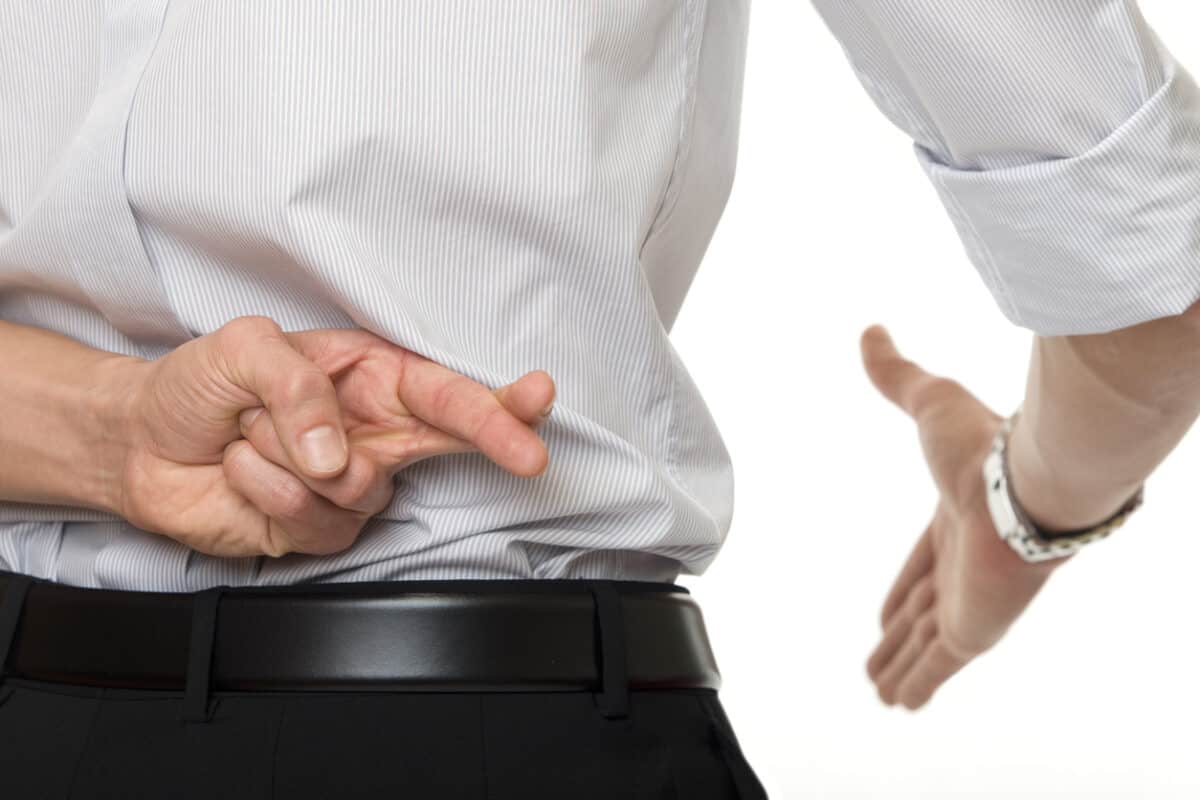
A typical excuse, or a sentence, people use after they’ve caused harm, injury or created an offence, is that “I didn’t mean to do any harm or think anybody would be harmed”. Potential harm may not have been considered, and the consequence of the act or a word was not anticipated. But it’s also possible that it’s a lie, and that they did intend harm, and they’re just looking for a way to excuse themselves from the responsibility and the consequence of that harm. And that’s a problem with including intent in a definition of work-related harm.
Poor footballer mental health may be a symptom of CTE, but it is the risk of CTE that should be prevented
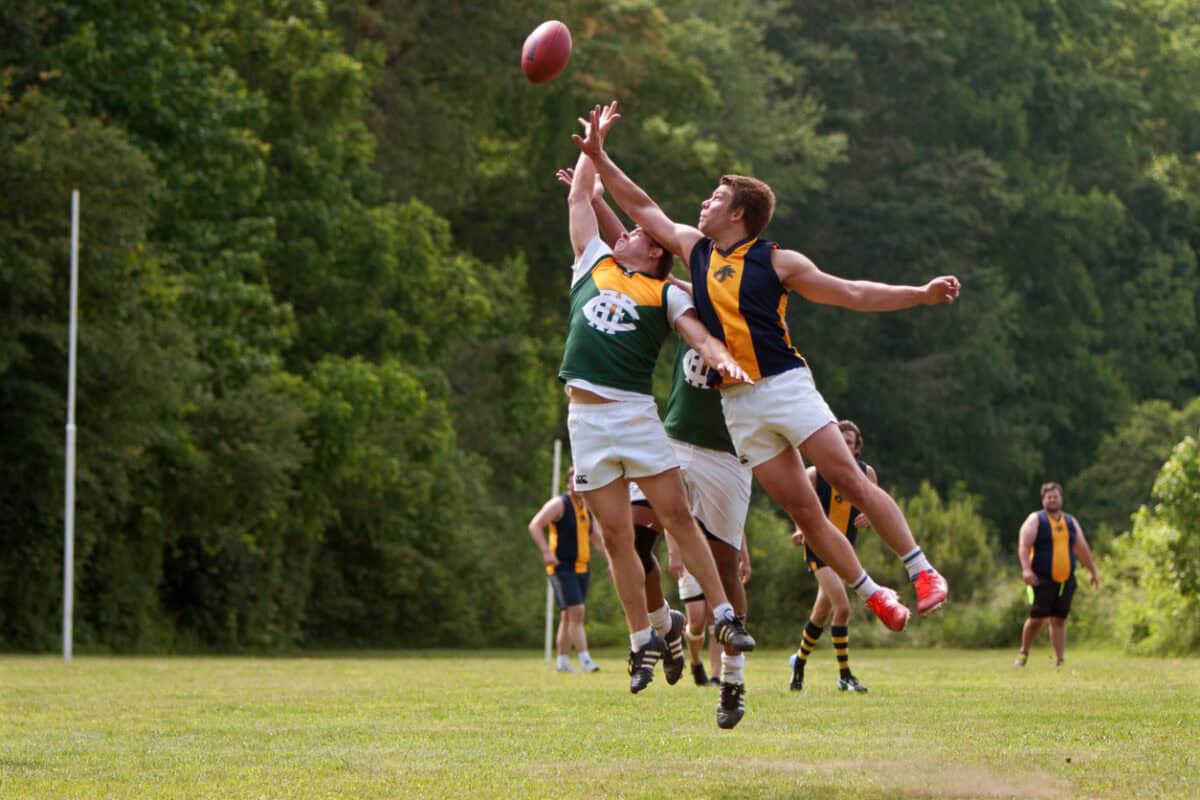
The concussion risks of sportspeople continue to appear in the media and popular discussions after every suicide, death, or retirement of sportspeople who play contact sports. Recently, Alan Pearce, Professor, Adjunct Research Fellow, School of Health Science, Swinburne University of Technology, wrote an opinion piece for The Australian newspaper (paywalled) that touched on some occupational health and safety (OHS) themes that deserve expanding.
[This article discusses suicide]
Boeing’s failures illustrate fundamental flaws in modern business values
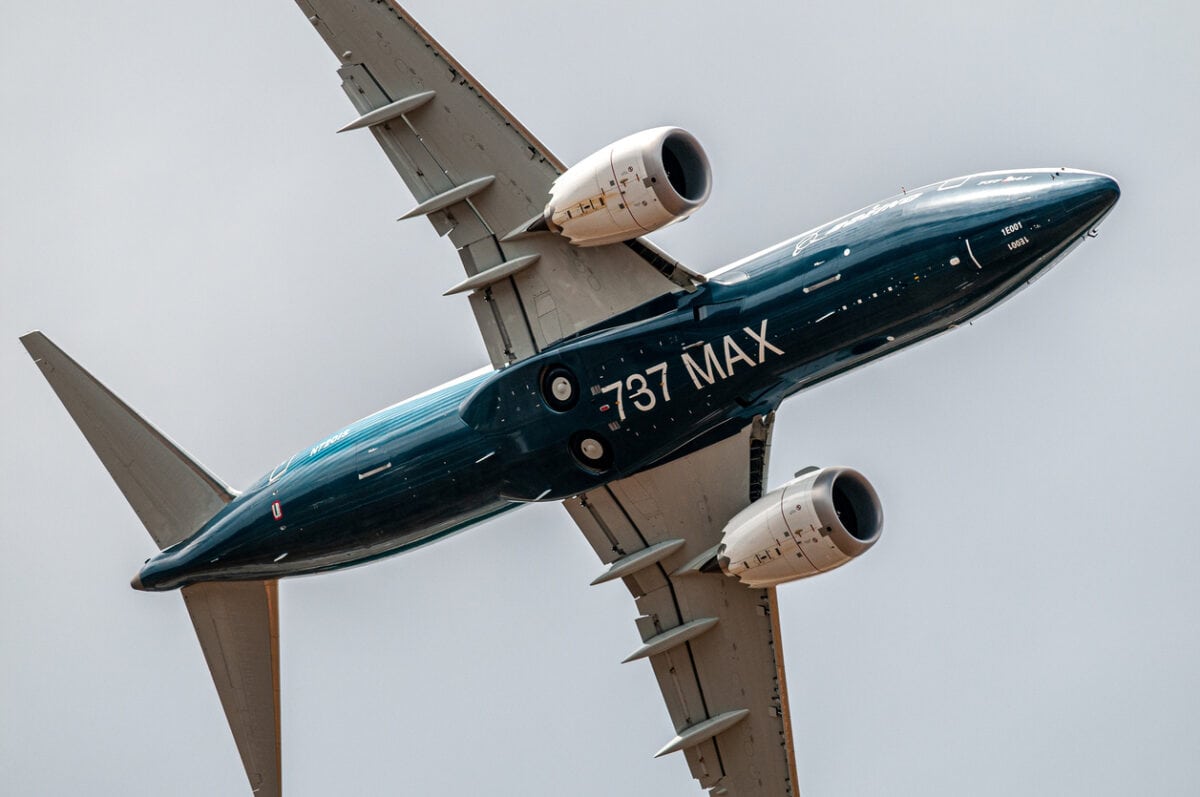
Andrew Hopkins’ new safety and management book has landed. It is perhaps his most powerful critique of modern safety-related corporate management as he identifies “big picture” socioeconomic and political factors that directly affect executive decisions. By examining the 737 MAX aeroplane crisis of over 340 customer deaths that Boeing could have prevented, Hopkins discusses the hazardous managerial ideologies that have been idolised and are likely to be present in most companies created in the last 40 years.
The book has aviation in the title, but this is far more than a book about aeroplanes.