
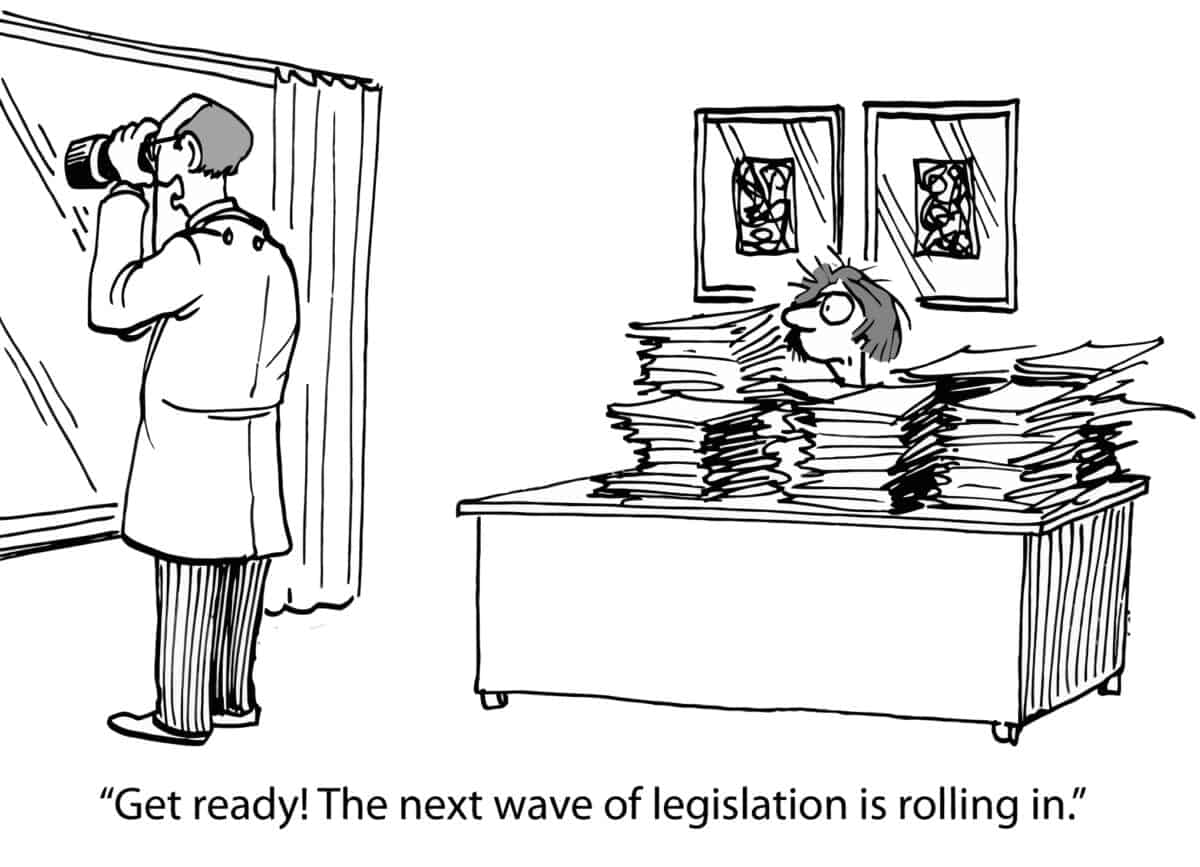
The big occupational health and safety (OHS) news in Australia has been the release of the federal government’s response to the Respect@Work report on sexual harassment in Australian workplaces. And the biggest issue in that response seems to be the government’s lack of enthusiasm for a major recommendation of Sex Discrimination Commissioner Kate Jenkins, the inclusion of a positive duty in the sexual discrimination legislation. Many lawyers have been asked for their opinions on the government’s response, but very few OHS professionals.
Category: safety
A traditional farm safety campaign with tweaks
For the last few years, farm safety has been dominated by arguments over the safety of quad bikes. Squabbles continue in Australia, but that topic is largely over, and many are returning to a broader and more contemporary approach to health and safety in farming.
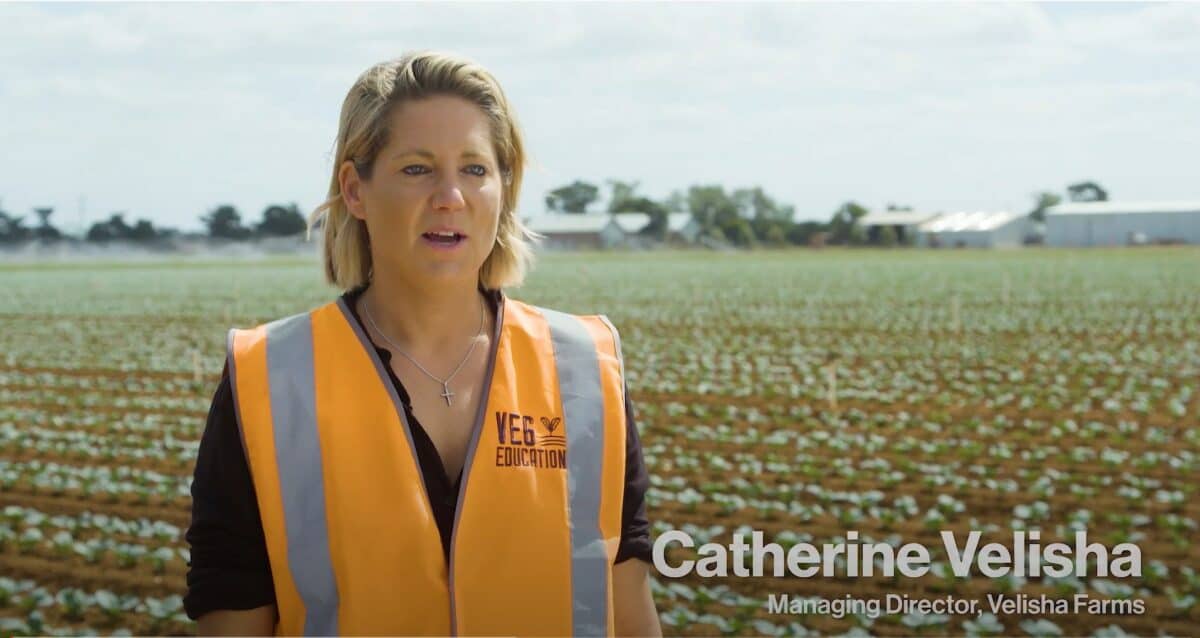
It looks like WorkSafe Victoria has begun to roll out its farm safety ambassadors with Catherine Velisha on the cover of a recent edition of Stock and Land newspaper and in a Youtube video. This is supported by a full article on page 3 with an additional article in a glossy supplement provided with WorkSafe’s support.
The article is a blend of promotion for Velisha’s farm management training company and media releases from WorkSafe Victoria. The occupational health and safety (OHS) statistics are new but not very different from previous statistics. Middle-aged men continue to be a feature of the fatality statistics, and 58 on-farm deaths happened in 2020, the same as the year before. Quad bikes have been a major factor in those deaths.
OHS is “… more what you’d call ‘guidelines’ than actual rules.”
Occupational health and safety (OHS) may not be a common subject in the mainstream media but there is plenty of political discussion on the topic in Australia’s Parliament.
The current (conservative) federal government seems very slow to accept and respond to recommendations from official inquiries that it sees as a secondary political priority, such as sexual harassment and workplace health and safety. The hearings of the Senate’s Education and Employment Legislation Committee on March 24 2021, were, as usual, enlightening.

Change in the air on ventilation
One of Edward O’Donoghue’s recent Motion supporters in Victoria’s Parliament was Georgie Crozier, the Liberal Opposition’s Shadow Health Minister. In her speech in support of the Motion, she mentioned ventilation:
“I have been asking for the audits of what has occurred in hotel quarantine under the new structure that the government put in after that catastrophic failure of last year. They said, ‘The system’s fixed; everything is fine. We’ve got processes in place and it’s safe’. Well, it is not safe. I have been wanting to see those ventilation audits, see those safety audits, look at the issues that are arising here, because the other states are not having the same degree of breaches and problems and terrible consequences that we are in Victoria. So something is going wrong; something is going terribly wrong. It is the Andrews government that has to take responsibility for this. It is an absolute outrage that they continue to not take responsibility for this.”
Hansard, Page 24
Until recently, Australia was reluctant to accept the spread of COVID19 by air. The focus was on droplets and the cleanliness of surfaces. An aerosolised coronavirus’s risk was, until very late last year, a fringe risk – one not substantiated by evidence.
Everyone wants to see consequences
In discussing the current changing power structures in Australian politics, journalist Annabel Crabbe wrote:
“The driving element of the new power is this: Actions that previously did not carry consequences are now carrying consequences. Behaviour that was once tacitly acceptable in the elaborate and bespoke workplace that is Parliament House is now — with the benefit of sunlight — recognised as unacceptable.”
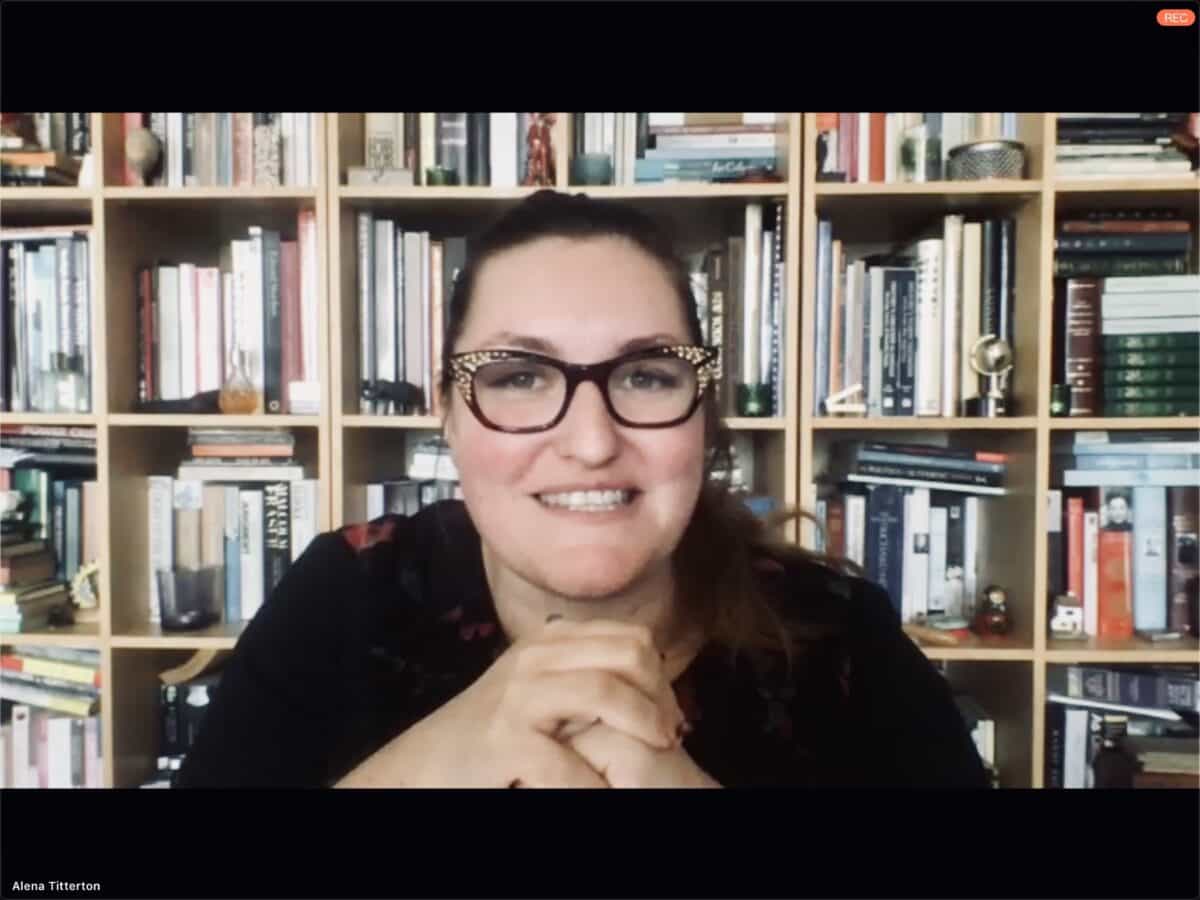
On March 24 2021, lawyer Alena Titterton explained what underpins the calls for Industrial Manslaughter laws as:
“Everyone wants to see consequences.”
In many social policy and political areas, Australia is seeing a change in “the social will” to fill the current void in political will. This is a useful perspective through which to view recent Industrial Manslaughter campaigns.
Playing the man and not the hazard
People like Ken Phillips continue to pursue Premier Daniel Andrews and others for alleged breaches of occupational health and safety (OHS) laws over COVID19-related deaths stemming from failures in Victoria’s hotel quarantine program. On March 17 2021, the pressure to hold the Premier to account increased in the Victorian Parliament, largely under the guise of OHS duties.
On March 17, 2021, the following motion was put to the Legislative Council by the Liberal Party’s Shadow Attorney General, Edward O’Donoghue:
“… that this House calls on the Minister for Workplace Safety, the Hon Ingrid Stitt MLC, to exercise her power, confirmed in section 7(1)(a) of the Occupational Health and Safety Act 2004, to direct WorkSafe Victoria to —
Hansard, pages 23-24
(1) conduct an urgent investigation into all occupational health and safety risks and corresponding responsibilities for duty holders within the Hotel Quarantine Program managed by COVID-19 Quarantine Victoria and its predecessors with responsibility for hotel quarantine;
(2) ensure the report includes details of the health and safety risks and corresponding responsibilities for duty holders;
(3) complete the inquiry and present a Report to the Minister for Workplace Safety by 31 May 2021; and
(4) cause the Report to be tabled in the Council on the next sitting day after it has been received from WorkSafe Victoria.”
A clearer profile of workplace fatalities
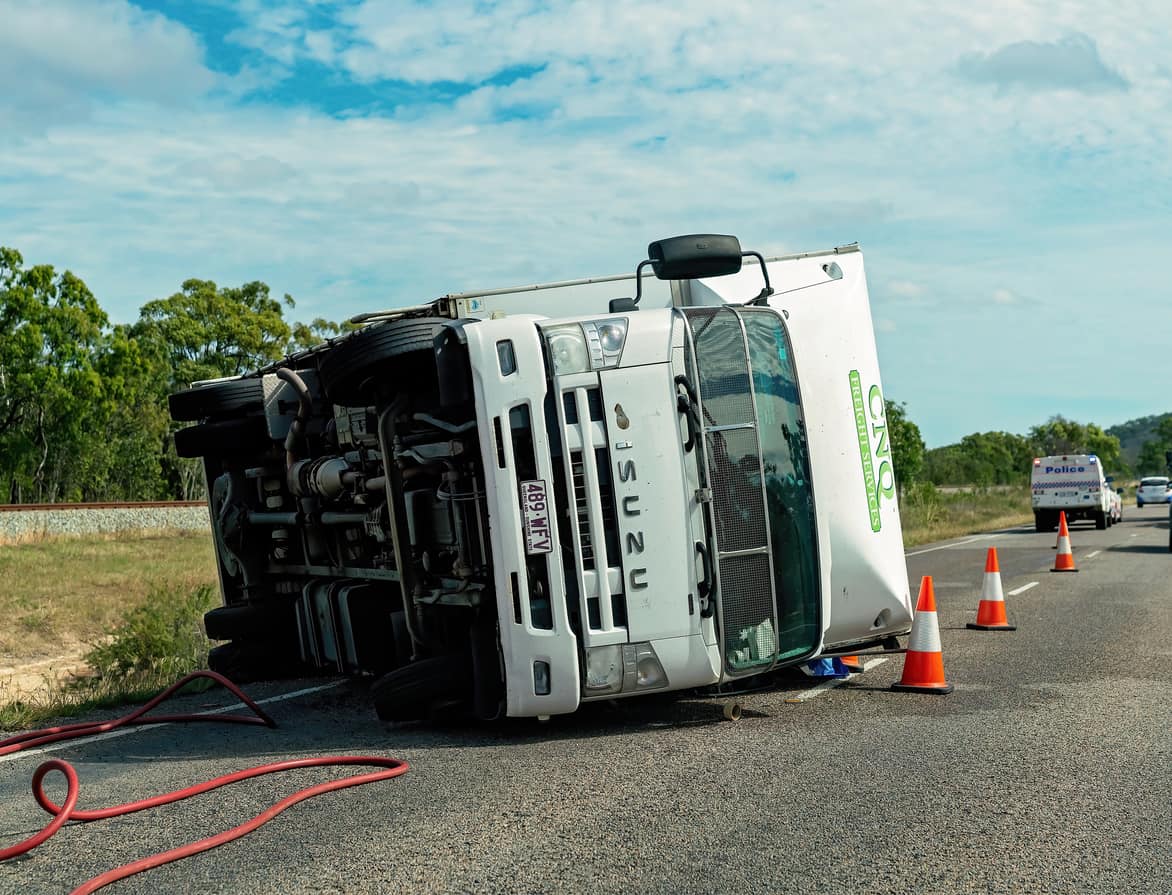
In March 2021, WorkSafe Victoria released new statistics about workplace fatalities, but you would not know it unless you subscribed to WorkSafe’s news. Internet searches for Minister Ingrid Stitt and workplace safety for March only turns up WorkSafe actions on sexual harassment, but the March 16, 2021 media statement should have broader ramifications.