
Until recently, Donna McGeorge‘s book “Red Brick Thinking” passed me by, but her perspective aligns closely with the occupational health and safety (OHS) concepts of “safety clutter” and the Swiss cheese model.
Category: safety

When Work Kills and No One Counts the Dead
An open letter about workplace suicides was published to support World Mental Health Day in 2024. The research work of some of the signatories has continued and appeared in a 2026 editorial in Volume 46 of “Crisis – The Journal of Crisis Intervention and Suicide Prevention“, calling for action.
[This article, unavoidably, discusses suicide]
Has Having Safe and Healthy Work as a Human Right Improved OHS in Australia?
When the International Labour Organisation declared safe and healthy work a fundamental human right in 2022, Australia quietly joined a global shift that reframed workplace safety from a technical discipline to a matter of human dignity. It didn’t make headlines. It didn’t trigger a legislative overhaul. But it did change the ground rules.
The question is whether this shift has improved worker health and safety in Australia—or whether it risks becoming another layer of symbolic language sitting comfortably above the realities of work.
Agriculture Has the Injuries of a Regulated Industry, But Not the Regulation
Over the past few months, I have increasingly encountered the term “regulated industries” in the context of occupational health and safety (OHS) laws. In OHS in Australia, these industries seem predominantly to include:
- Construction
- Mining and
- Major Hazards.
I can identify no reason why farming should not also be a “regulated industry”.
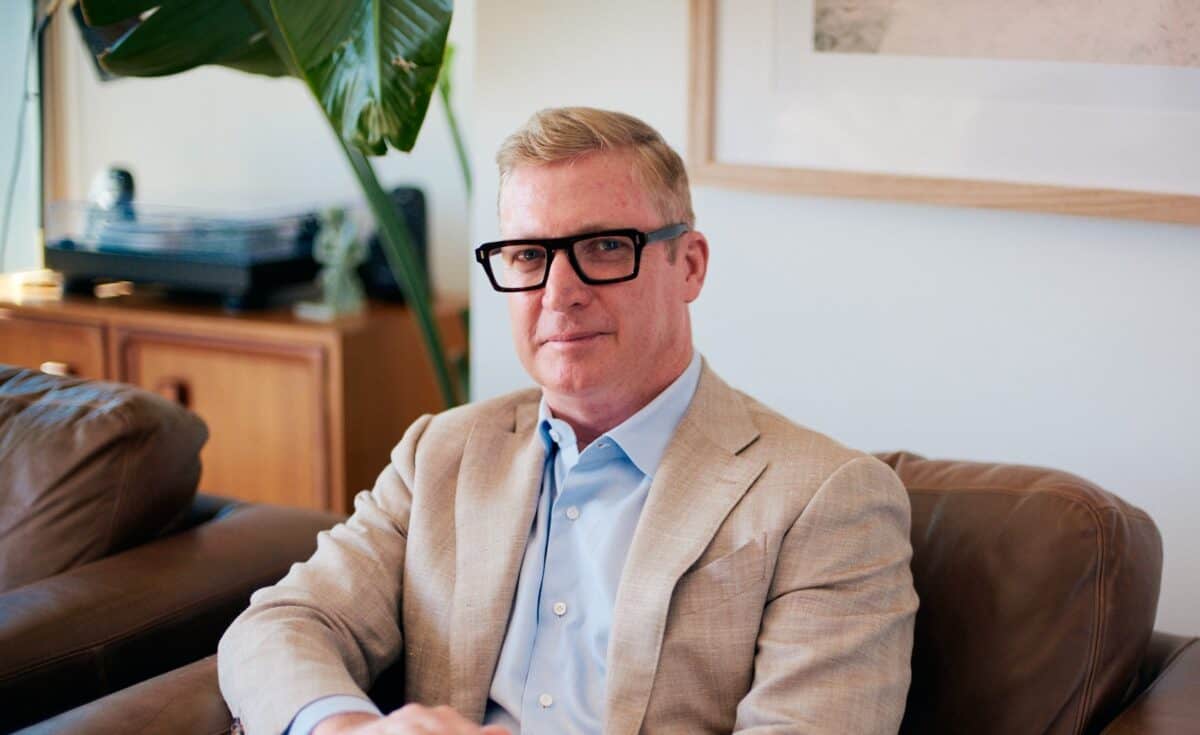
Inside the Psychosocial Safety Challenge: A Conversation with Ian Neil SC
“[Psychosocial hazards] is not coming, it’s arrived, and prosecutions will happen unless [employers] take serious steps to address the issue.”
Recently, I had the opportunity to interview Ian Neil SC on some occupational health and safety (OHS) matters related to psychosocial health.
Why Corporations Reject the Models That Would Prevent Harm
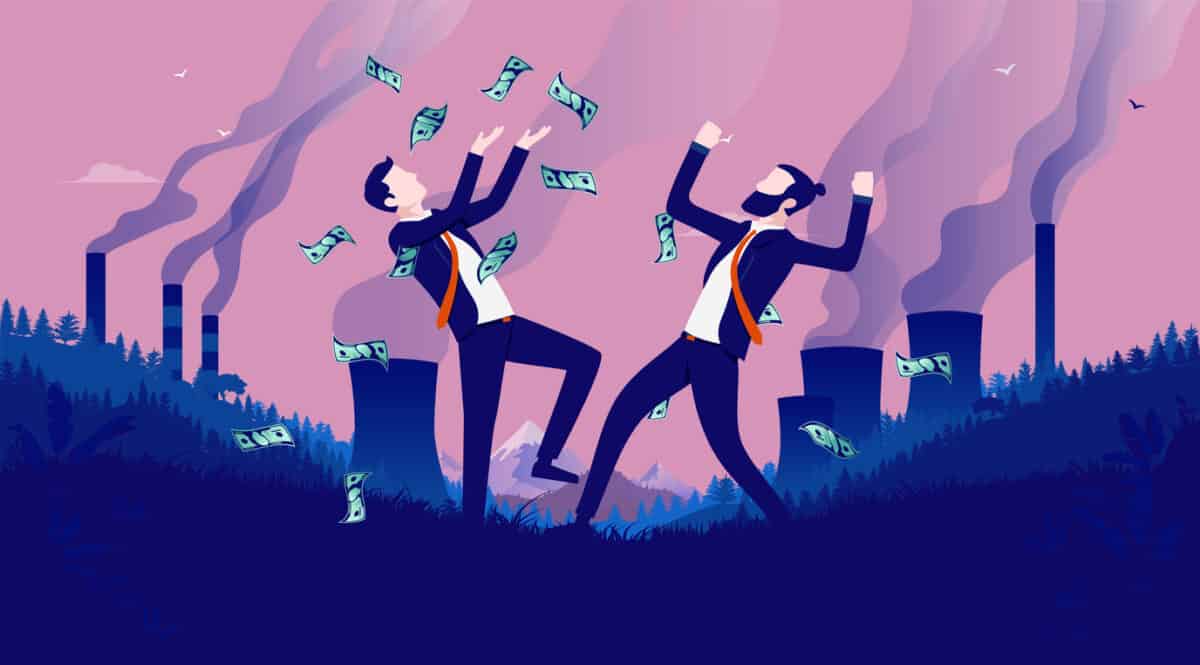
Walk through any corporate sustainability report and you’ll find the same familiar choreography: a glossy declaration of “unwavering commitment to safety,” a handful of photos featuring smiling workers in immaculate PPE, and a CEO foreword that reads like it was written by a risk‑averse committee. What you won’t find is any serious engagement with the economic structures that produce harm in the first place.
For decades, scholars have been mapping the relationship between capitalism and workplace injury. They’ve shown, with depressing consistency, that harm is not an aberration but a predictable by‑product of systems designed to extract value from labour while externalising risk. Yet when these same scholars propose alternative models — models that would reduce harm by redistributing power, stabilising labour markets, or democratising decision‑making — executives respond with a familiar repertoire of excuses.
This article examines why. In a couple of real-world case studies, corporations were presented with opportunities to adopt safer, fairer, more accountable models — and chose not to.
Because the truth is simple: executives don’t reject these proposals because they’re unworkable. They reject them because they work exactly as intended.
Keeping Workers Safe in a “Future Made in Australia” Economy
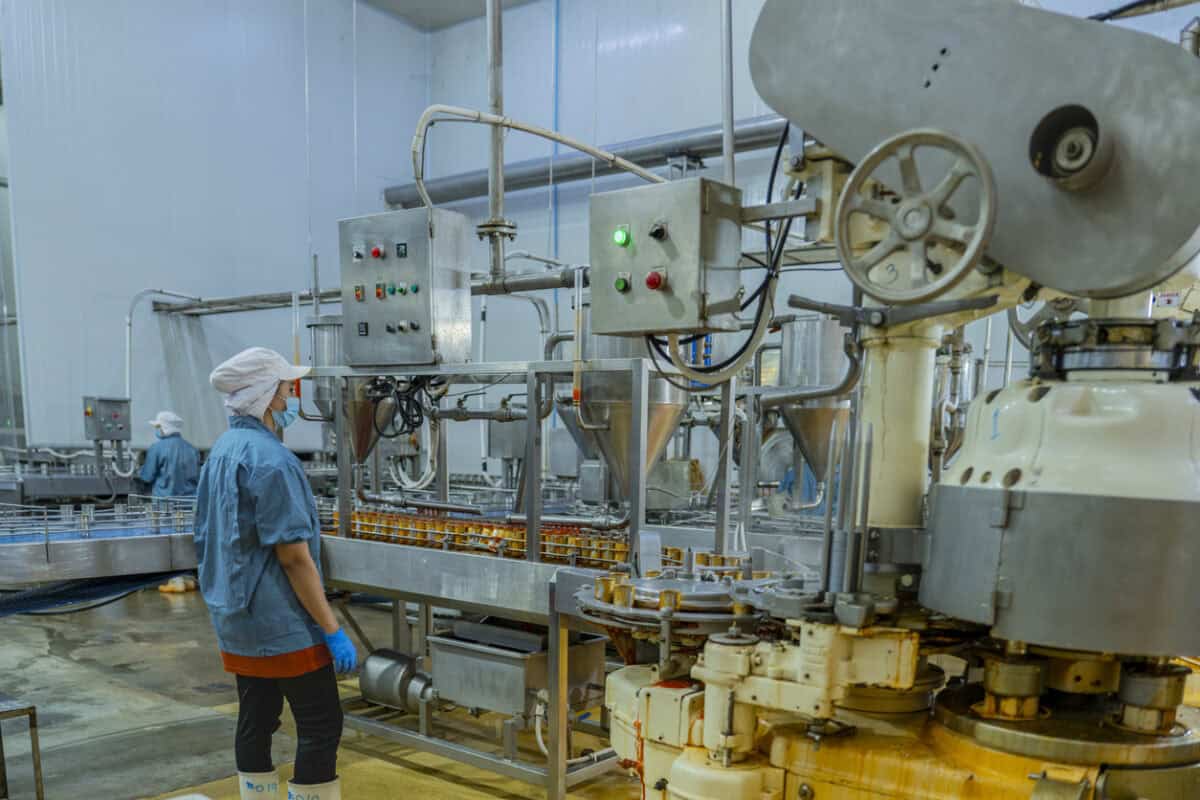
The Australian Government is committed to increasing the manufacturing sector through its Future Made in Australia strategy and legislation. To participate in the program and receive funds or tax incentives, companies must meet the Community Benefit Principles, including providing safe and healthy workplaces.