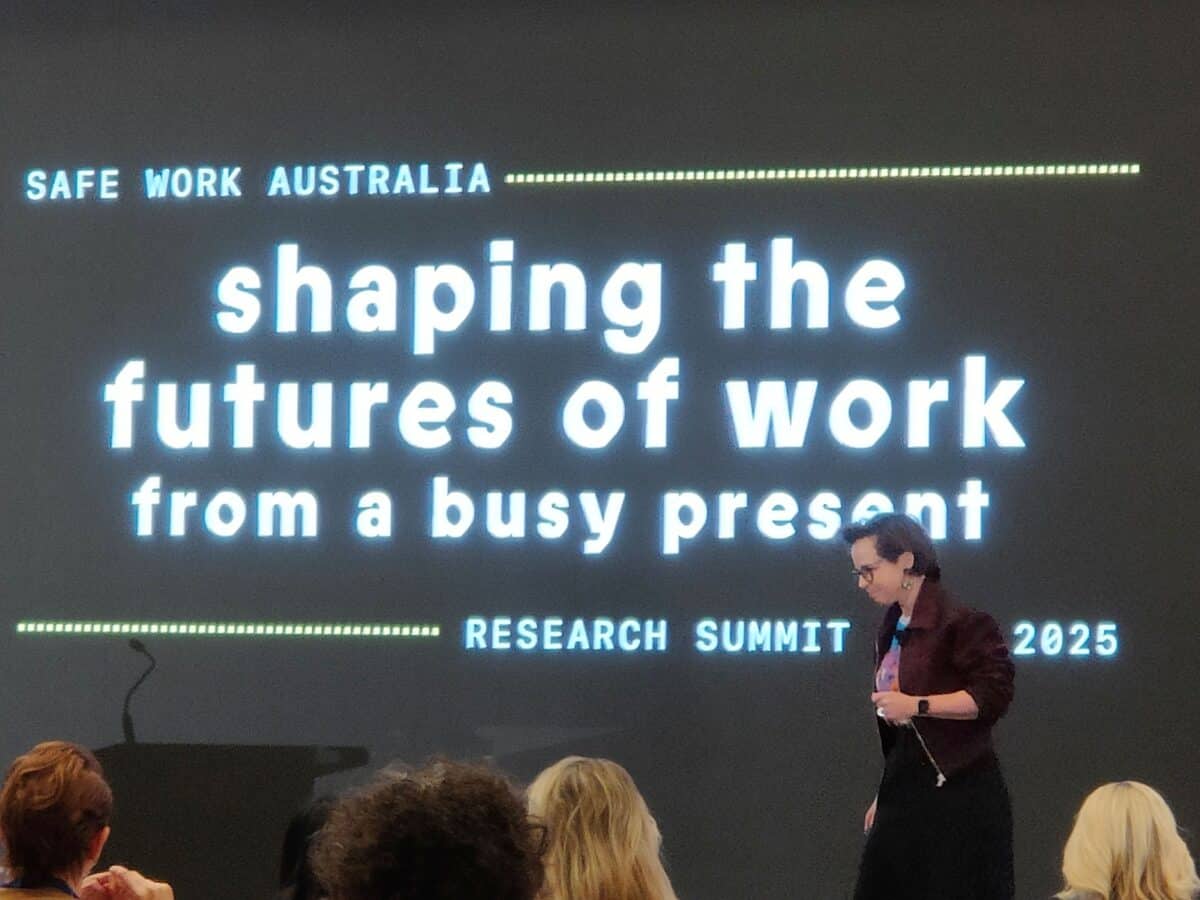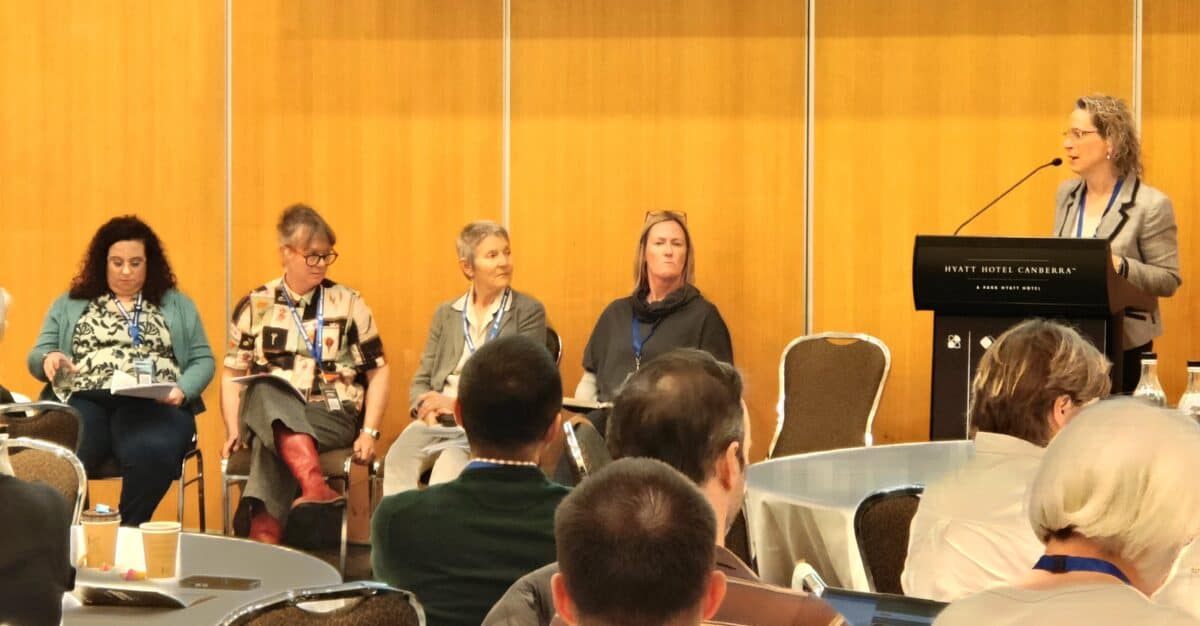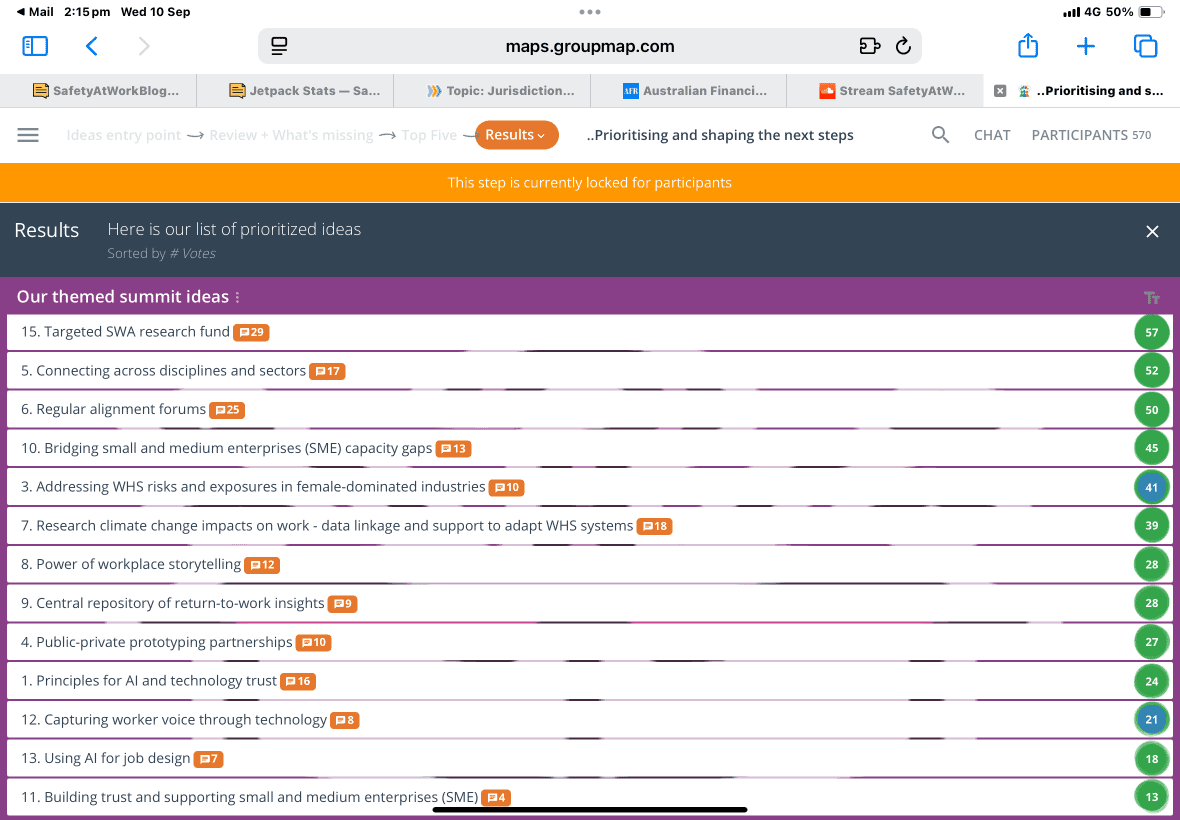
Although I have expressed concerns about the application of AI data analytics at the recent Safe Work Australia (SWA) Research Summit, I think it is important to list the 15 Leading Ideas that the analysis process identified from the summit. Some of these will seem like the bleeding obvious, but these outcomes will inform SWA’s research agenda and strategy.
Category: SafeWork
The 38-Hour Week is not a Myth—It’s an Ignored Safeguard
Safe Work Australia’s recent Research Summit conducted several workshops. Time allowed delegates to only attend two of the eight – a morning and an afternoon. The standout seminar I attended was for “Work as a determinant of our psychological health”.
Inside the Room Where Safety Happens
There are several ways to write about Safe Work Australia’s recent Research Summit. This is the first article and will discuss a couple of features of the summit and ask if the summit achieved its aims.
Balancing Acts That Miss the Point
One of the aims of Australia’s Model Work Health and Safety Act is to
“… provide a balanced and nationally consistent framework to secure the health and safety of workers and workplaces.” (page 5, Best Practice Review of the model Work Health and Safety laws – Discussion Paper, September 2025)
There are several ways to interpret “balance” – an equilibrium/harmony or the process for weighing interest, a noun or a verb. I am not sure that ‘balance’ or ‘balanced’ are suitable terms in a document that should provide clear guidance on occupational health and safety (OHS) matters. It may be an example of how an inexactitude can lead to over-complexity and OHS’s reputation for business bullshit.
More OHS voices needed
A new discussion paper from Safe Work Australia (SWA) is interesting in a curious way. Its purpose is confusing, and its final report will not be presented until mid-2026. SWA offers no definition of “best practice” but suggests that consideration should start from the objective of the Model Work Health and Safety Act:
“….to ensure the model WHS laws continue to provide a balanced and nationally consistent framework to secure the health and safety of workers and workplaces.”
Australia’s Safety Blindspot
Australia’s Economic Roundtable recycled the same institutions and failed metrics that have long masked our productivity crisis. As Amy Remeikis notes, those who shaped past policy failures now feign surprise at the fallout. Meanwhile, important drivers of productivity, such as safe and quality work, remain ignored. OHS is treated as a compliance chore, rather than a strategic asset. If the Albanese government truly wants productivity reform, it must stop listening only to the “profit class” and start measuring what matters: worker health, dignity, and contribution.
Australia’s OHS Laws Are Stuck in the Past and Need a Rewrite from the Ground Up
Recently, Australia’s politics were focused on an Economic Roundtable hosted by Treasurer Jim Chalmers. Chalmers sought proactive, low- or no-cost initiatives to improve Australia’s productivity. Occupational health and safety (OHS) is rarely, if ever, discussed at these national consultations. However, if we accept, as many believe, that OHS is unnecessary red tape, does this offer an opportunity for legislative reform?