Workplace psychological health has been dominated by wellness advocates for several decades. Occupational health and safety (OHS) is seen by many as an interloper with “new” regulations that impose rules, expectations, notifications, and records on a corporate wellness sector that has been hugely influential on employers’ perspectives of mental health at work. This interjection by OHS “upstarts” does not stand up to examination. Social determinants of health have included work factors for many years. Richard G Wilkinson wrote about the psychosocial causes of illness in 1997, providing a helpful perspective applicable today.
Category: stress
A library in just one Working From Home article
This newspaper article on the current status of Working from Home (paywalled) was satisfying on at least two levels: it was a sensible report on most of the benefits of this type of work arrangement and showed the limitations of newspaper publishing.
Some jobs continue to be bullshit ones
The concept of Bullshit Jobs persists. In the Oxford University Press BRAIN, neurologist Masud Husain applies the idea to universities and intellectuals. As I qualify as neither, I read the article seeking insight into the concept’s progress and application to occupational health and safety (OHS). I found connections to burnout, stress and Safe Work Method Statements.
Burnout prevention to receive considerable media attention
Jennifer Moss is a prominent analyst on work-related burnout and mental health. She is one of the few receiving global attention for pointing out that the prevention and control of the burgeoning mental health crisis are best addressed by reassessing and redesigning how organisations are run and workers are managed. Her latest book, due out in a few weeks, will supercharge the debate on managing psychosocial risks and psychological hazards at work.
Continue reading “Burnout prevention to receive considerable media attention”Mental health, neoliberalism and trade union myopia
The Australia Institute is a progressive (Left-leaning) research institute that recently commemorated its 30th anniversary with a book called “What’s the Big Idea?” Contributors are compatible with the Institute’s ideologies, but some chapters overlap with occupational health and safety (OHS).
Why workplace Psychosocial Regulations will fail
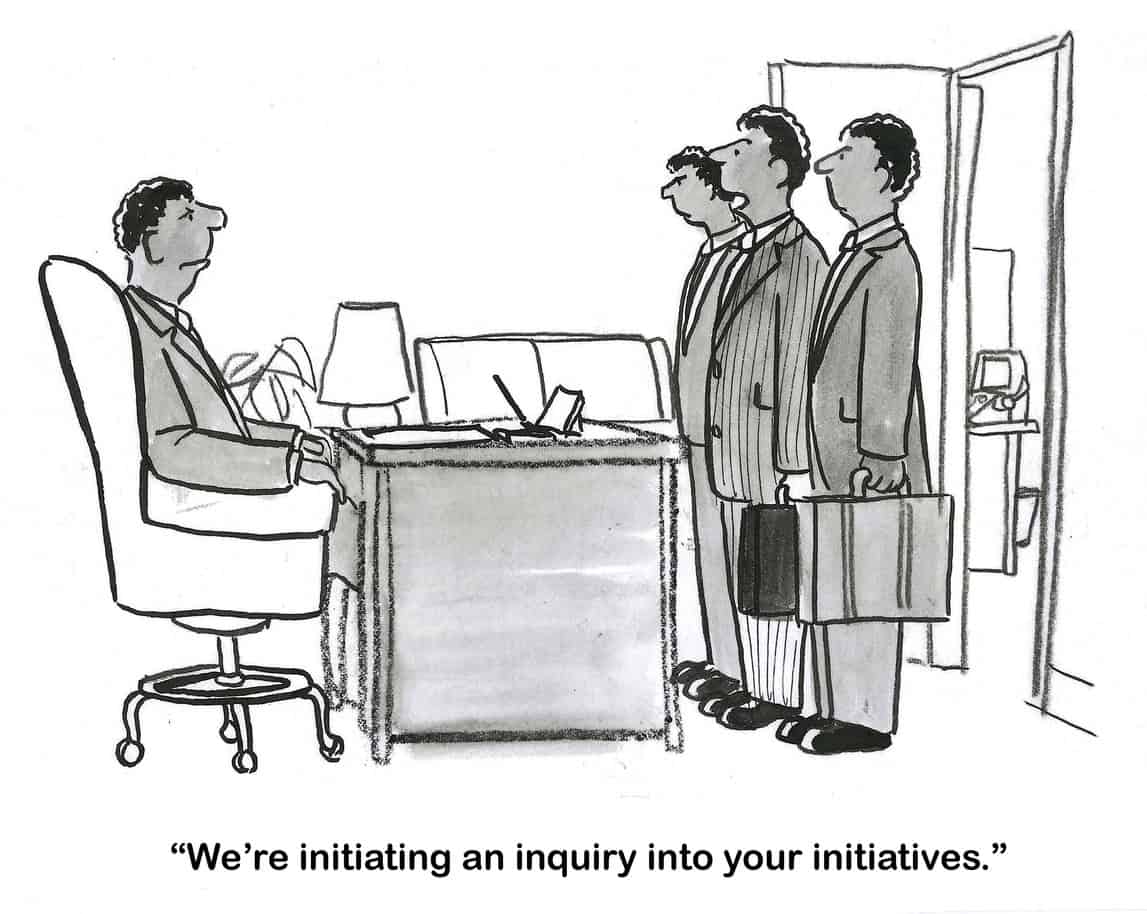
Australia has learned much from its consideration of psychosocial factors that can generate psychological harm in workers over the last decade. By the end of 2025, all Australian jurisdictions will likely have re-emphasised the psychological elements of employers’ and workers’ occupational health and safety (OHS) duties. However, the legislative changes are likely to fail to improve workers’ mental health because at least one of those psychosocial factors is too confronting and uncomfortable to employers.
Psychosocial and psychological wisdom
LinkedIn is becoming similar to Facebook in some ways, but it still provides excellent interpretations of occupational health and safety (OHS) laws and important social perspectives. Below are two such posts, reproduced with permission from the authors Richard Coleman and David Burroughs. (I have asked Richard to write some articles exclusively for SafetyAtWorkBlog)